Uppsala–Trondheim–Uppsala 2026: An epic pilgrimage crafted by the demi-gods of Swedish Audax

Four days into the Pilgrim Brevet, I ate cloudberries for the first time in more than three decades.

Cake and cloudberries in Tänndalen

The amber-coloured berries had been a regular feature during my parents’ four-week camping trips through Sweden and Norway in the late 1980s, but they’re rarely available in Germany. At a control close to the Norwegian border, they were served as a compote alongside cake and cream.

Heading towards Norway

“I could tell you exactly where they were picked,” one of the volunteers told me. She had collected them near the summer cabin her husband’s family, after asking her father-in-law where the best cloudberry patches were.
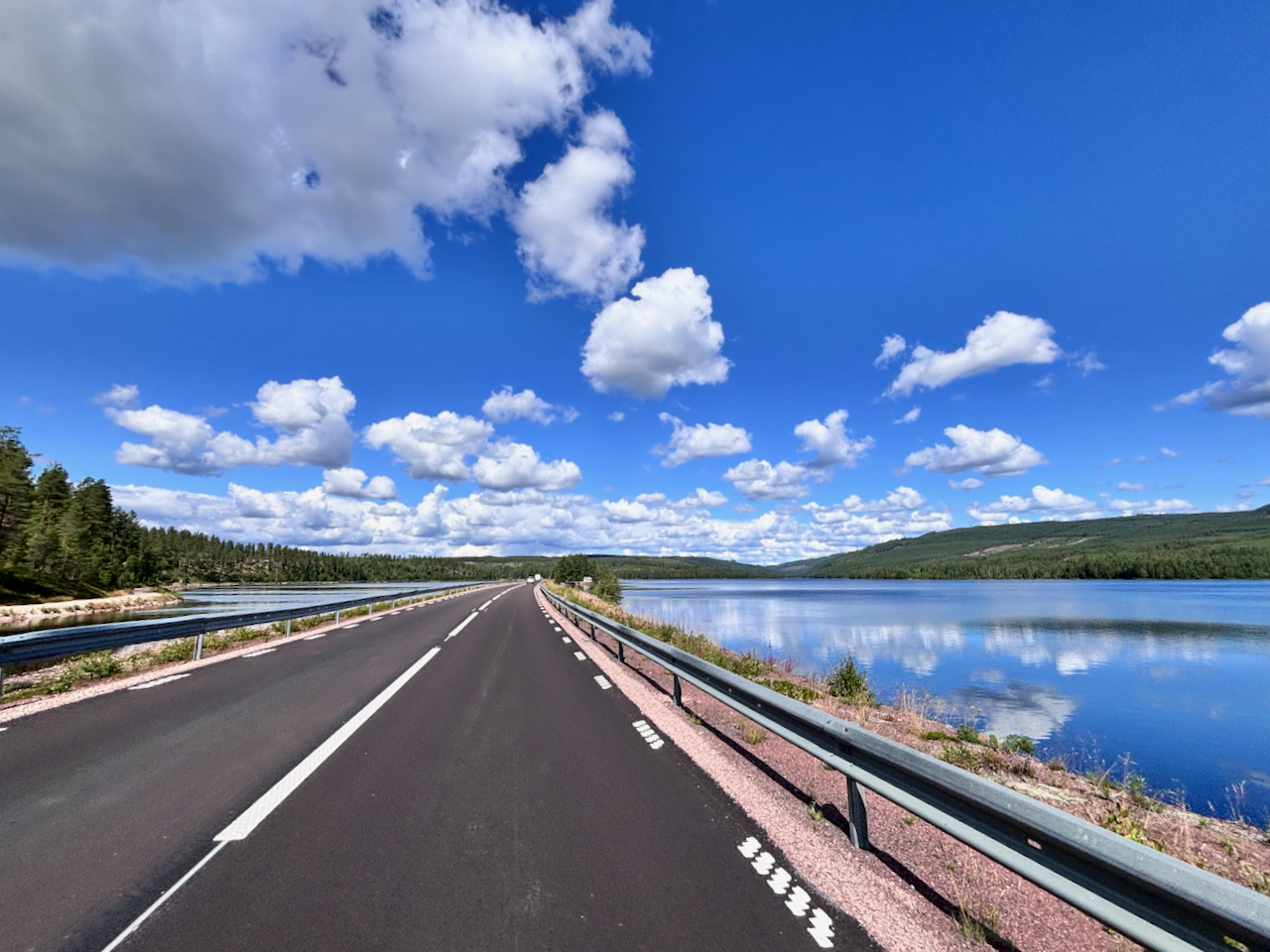
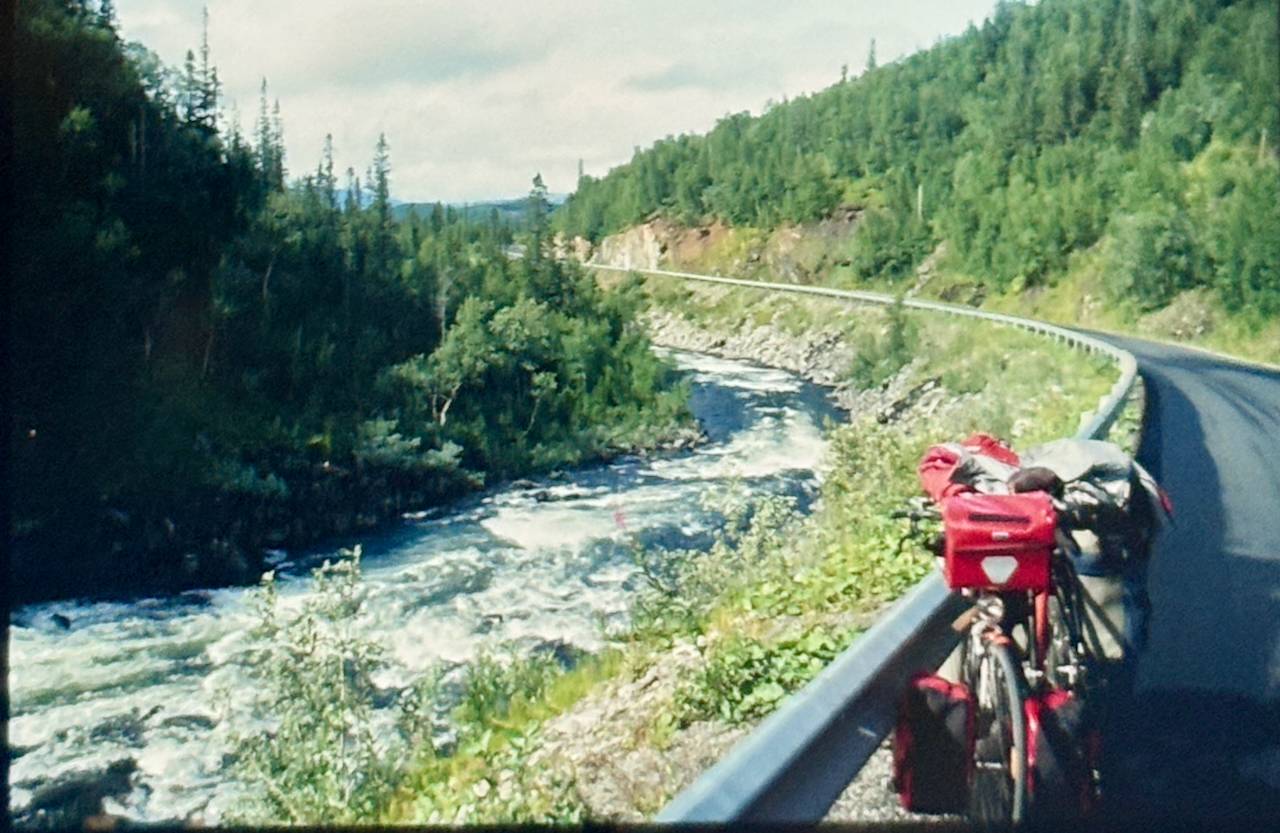
That encounter captures the spirit of the Pilgrim Brevet, a 1,580km ride also known as Uppsala-Trondheim-Uppsala (UTU). It is also linked to something that made this ride particularly personal for me. I spent many childhood summers in Sweden and Norway, and in 1992 attempted my first big solo bike tour there. Parts of UTU would take me back to roads I had ridden 34 years ago.
Organised by Stockholm Randonneurs every four years, the Pilgrim Brevet’s 2026 edition in late July was the third since 2018.

It takes its name from the Helgonleden (“Saints’ Trail”), a historic pilgrimage route from Uppsala Cathedral to Nidaros Cathedral in Trondheim, one of medieval Europe’s major pilgrimage destinations. 

Registration in Uppsala

The six-day event attracted just 114 starters but offered much of the infrastructure of far larger brevets: staffed controls, sleeping facilities, bag drops and plentiful homemade food.

Yet it felt entirely different. If Paris-Brest-Paris is Oktoberfest, the Pilgrim Brevet is a family gathering where friends of friends are welcomed as if they’d always belonged.
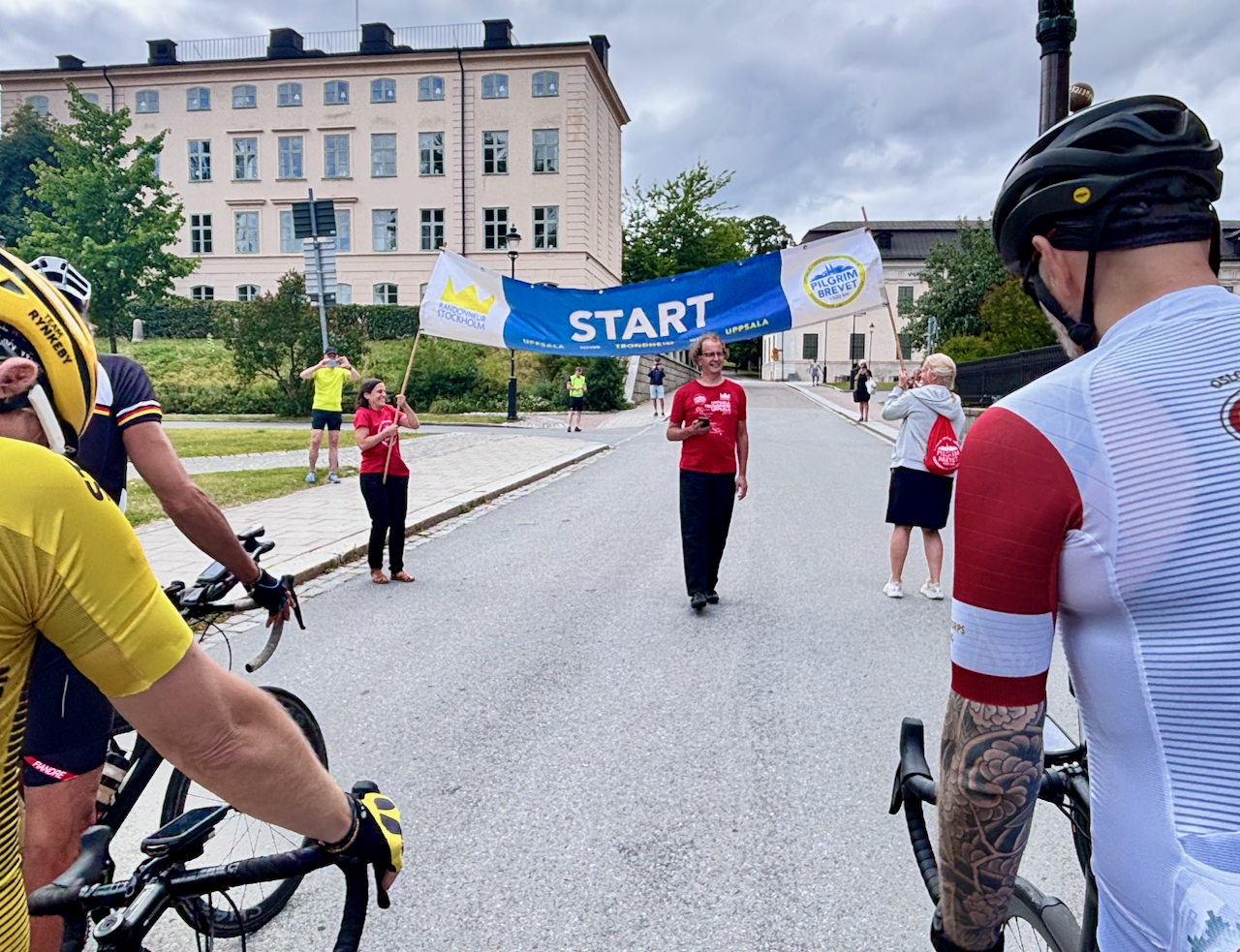
Just before the start in Uppsala
Continue reading “Uppsala–Trondheim–Uppsala 2026: An epic pilgrimage crafted by the demi-gods of Swedish Audax”

Why LEL 2025 was the best ‘cancelled’ Audax in the history of cycling

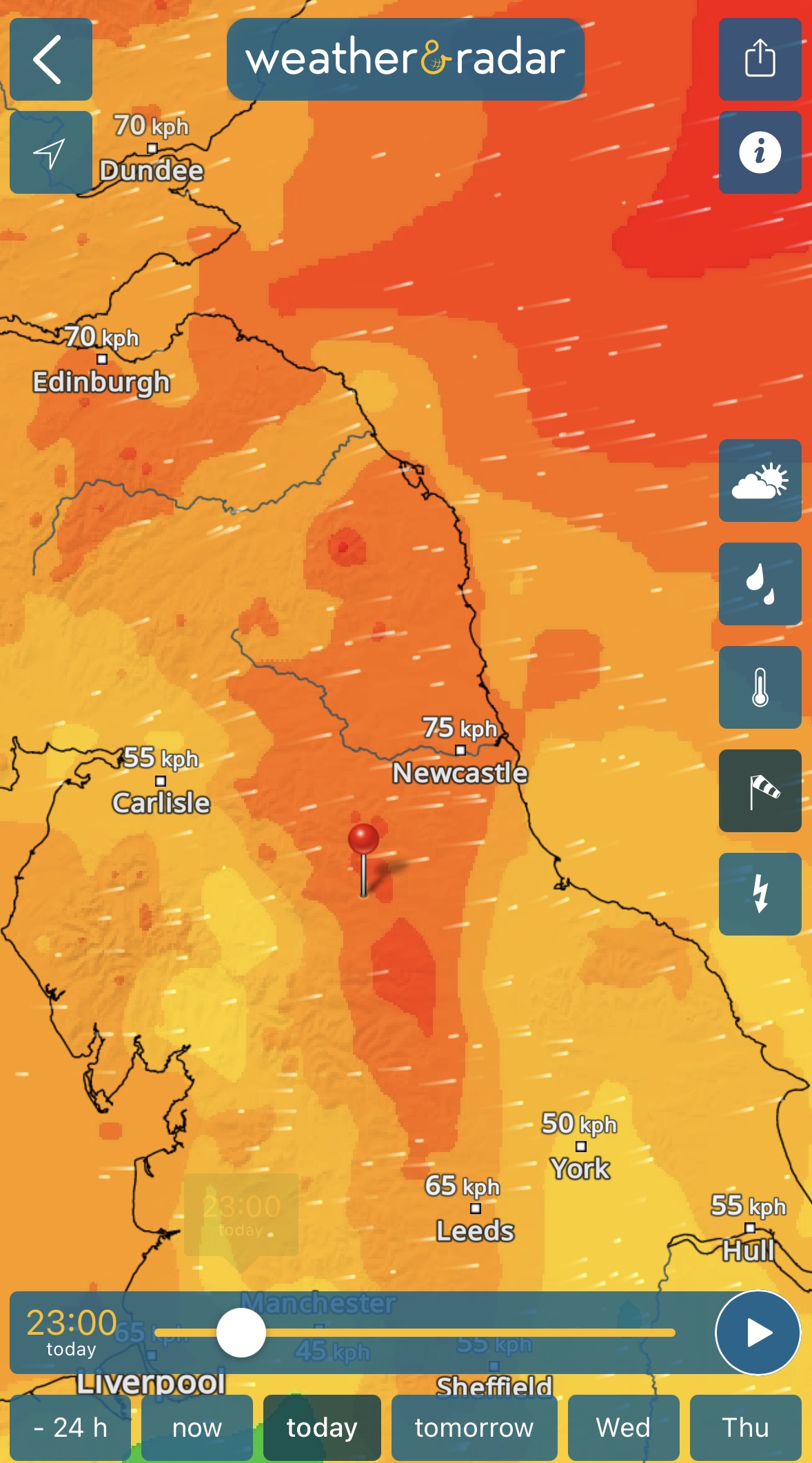
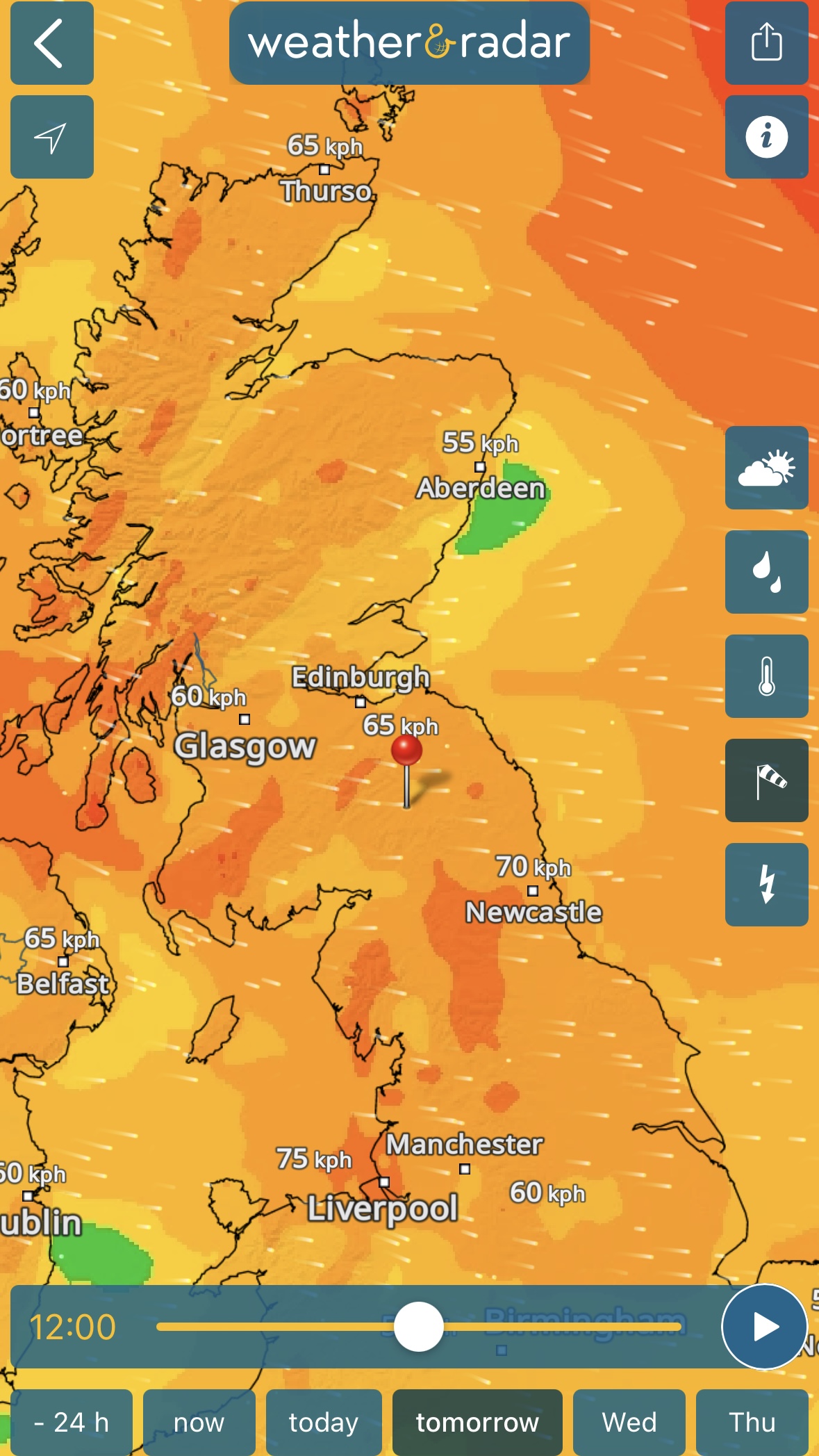
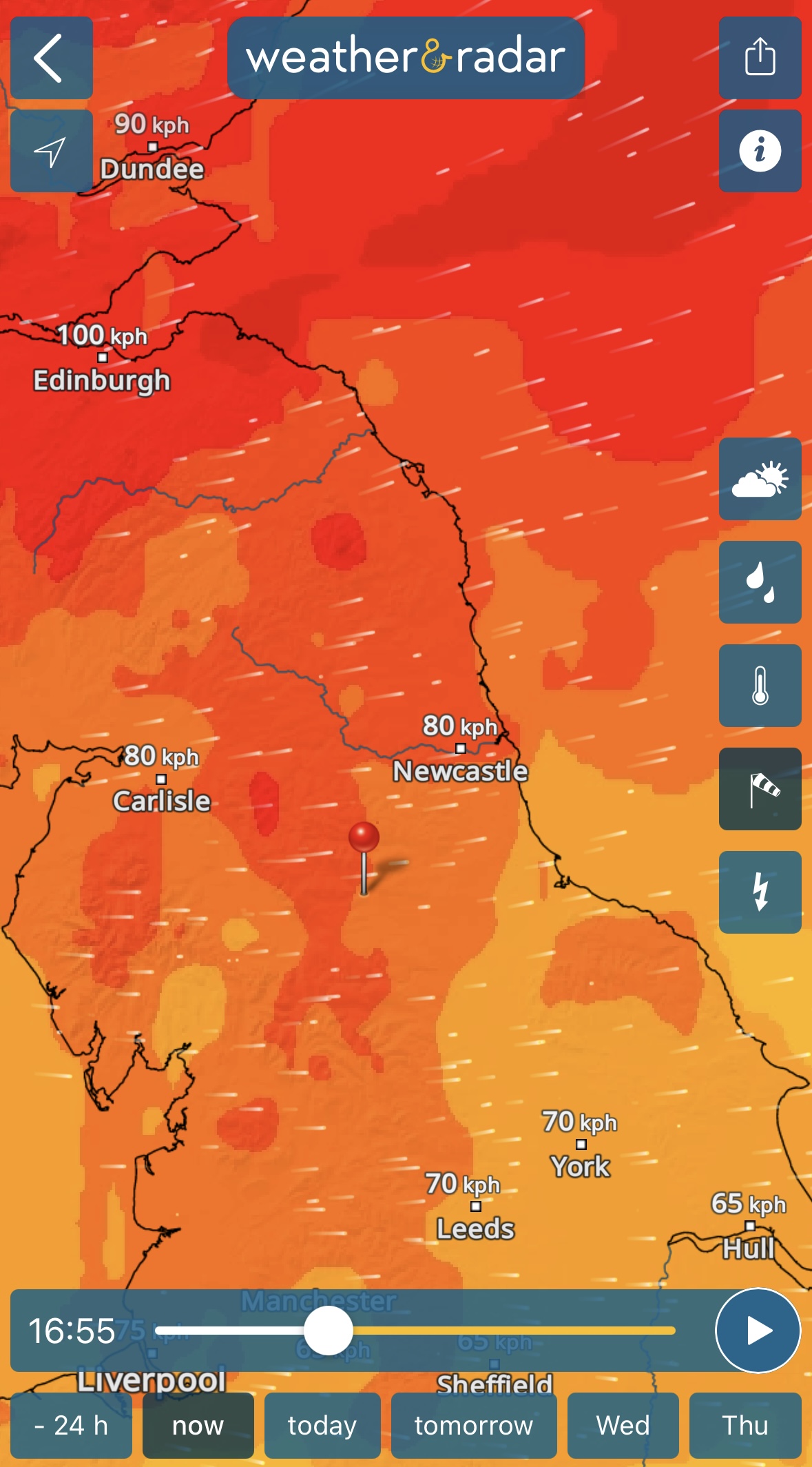
When I checked my iPhone on Monday morning after just two hours of sleep, I thought the weather app had frozen. The wind maps for both Monday and Tuesday seemed identical: a solid mass of red and amber indicating gusts of up to 80kph. Hours later I understood the truth — the app was fine, the forecast just didn’t change materially. Storm Floris was stuck over northern Britain, making Yad Moss and southern Scotland impassable.

When London Edinburgh London 2025 was cancelled, I was both gutted — months of preparation lost — and relieved that the decision to ride into dangerous winds was taken out of my hands.

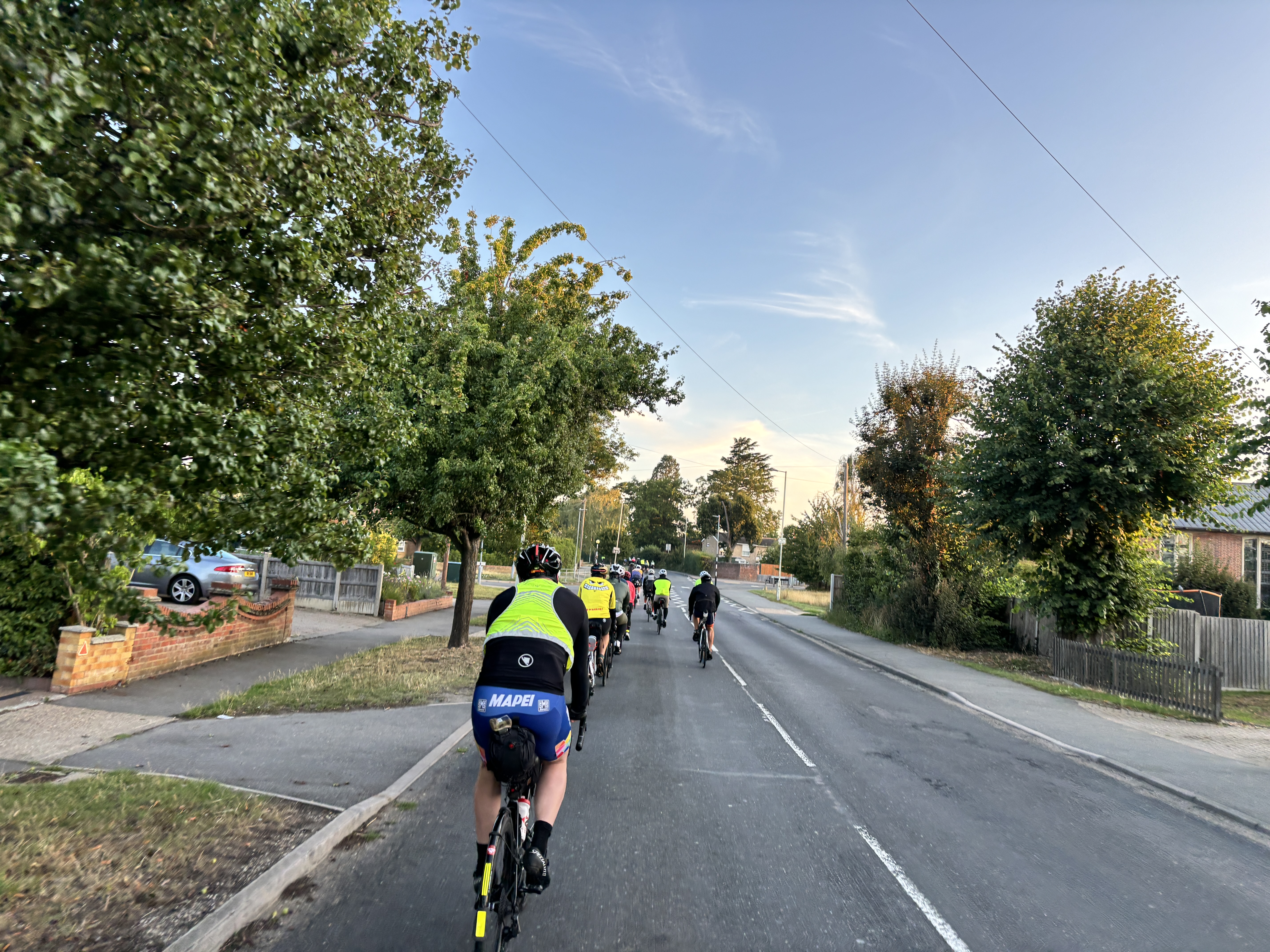
Bizarrely, what followed over the next two days turned out to be one of the best cycling experiences in a very long time. I followed the LEL route back south, covering a total of 1030km since my start in Writtle on Sunday morning. Relieved of any time pressure, I got completely into my stride and was “in the zone” for days. 

A few kilometres after the start in Writtle on Sunday morning

The camaraderie between riders seemed even better than normally, the kindness and support from volunteers was ever more special. Everyone seemed to be smiling in the face of adversity. Days after making it back to Writtle, I was still glowing. 

London Edinburgh London 2025 must have been the best ‘cancelled’ ride in the history of cycling. Quickly relabeled “London Floris London”, it was a mass application of the principle that “when life gives you lemons, make lemonade.” The vast majority of riders shortened their ride and had a jolly good time riding south and stopping at the more southern controls. The volunteers played a blinder anyway. 

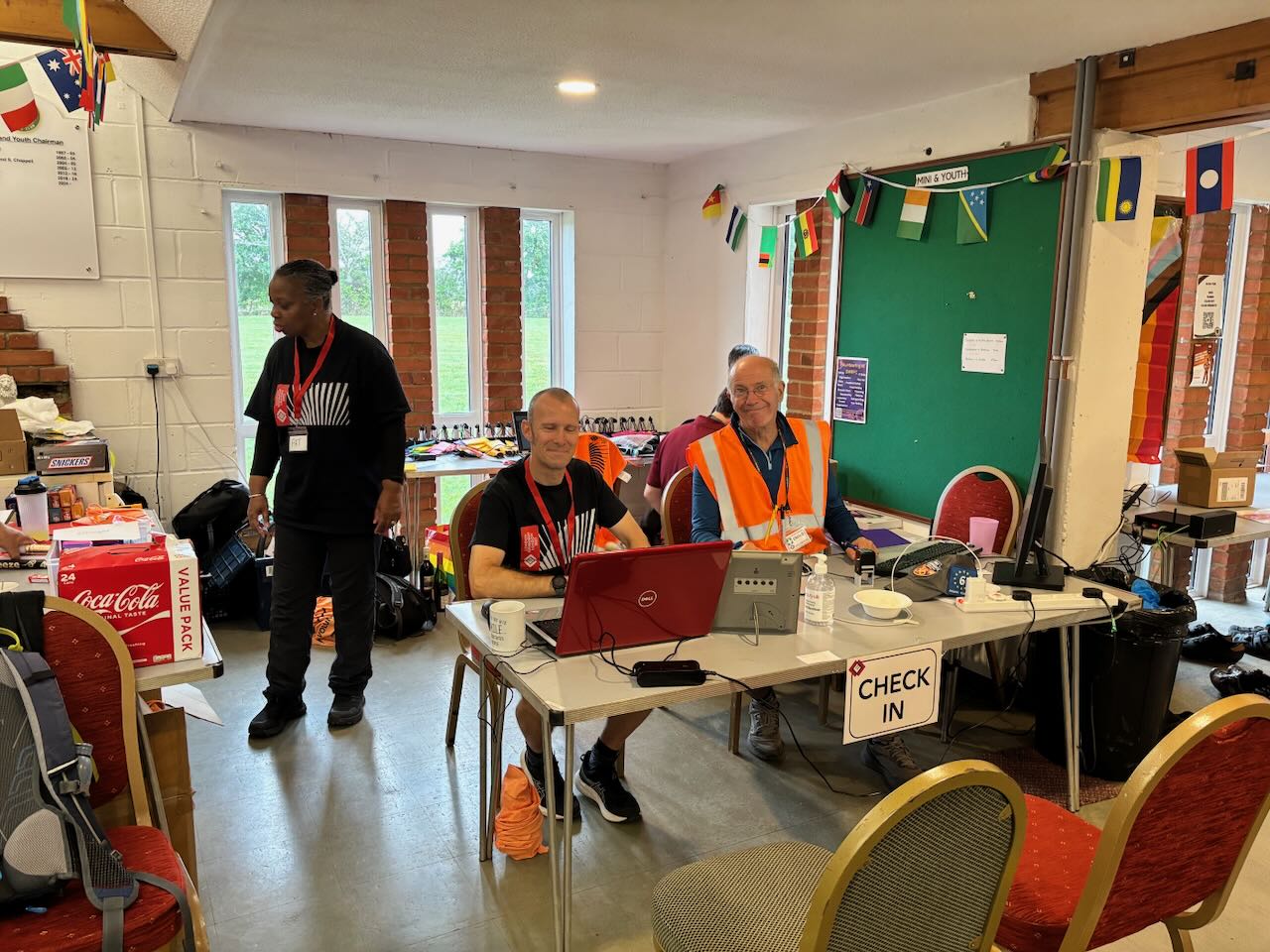
Volunteers at the last control in Henham

The cancellation was of course frustrating. I had spent more than seven months preparing for these five days of cycling, using a week of holiday and spending hundreds if not thousands of euros on travel, food, kit and accommodation during preparation as well as the actual event. In the weeks before the start, I could hardly think of anything else. And over the first one and a half days and 517km, my ride had gone much better than I had dared to hope. 

Continue reading “Why LEL 2025 was the best ‘cancelled’ Audax in the history of cycling”