
Four days into the Pilgrim Brevet, I ate cloudberries for the first time in more than three decades.
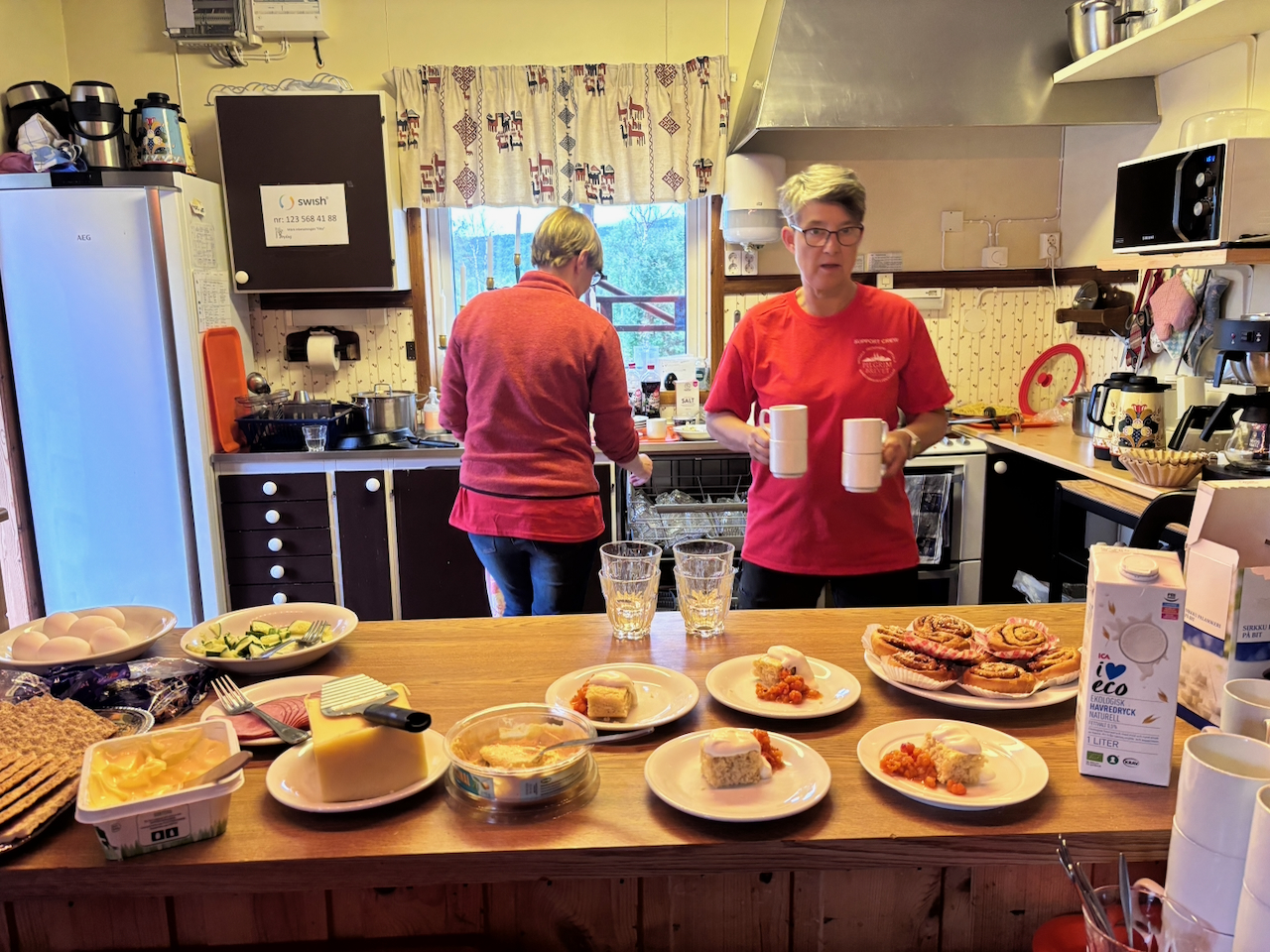
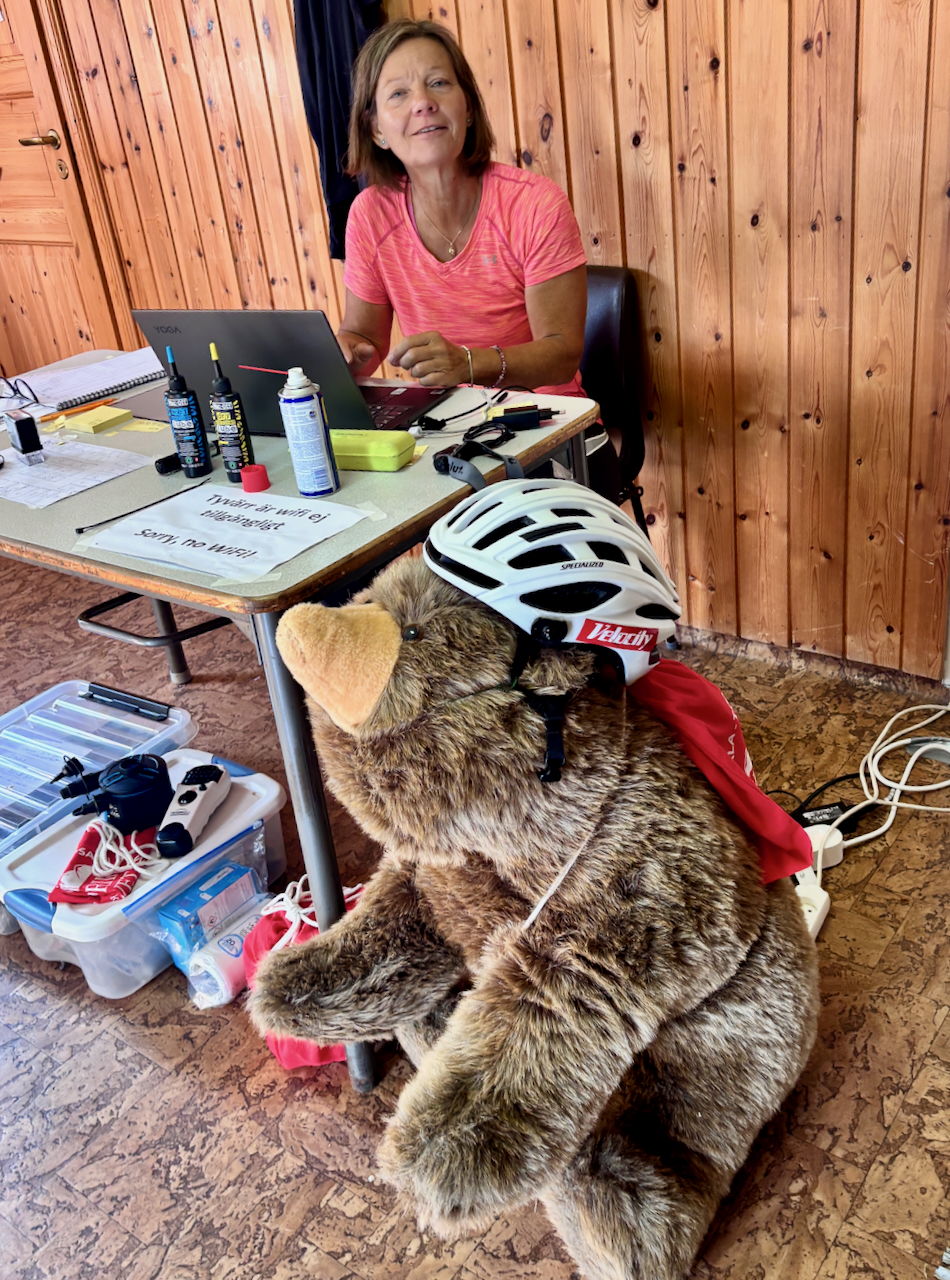
The amber-coloured berries had been a regular feature during my parents’ four-week camping trips through Sweden and Norway in the late 1980s, but they’re rarely available in Germany. At a control close to the Norwegian border, they were served as a compote alongside cake and cream.

“I could tell you exactly where they were picked,” one of the volunteers told me. She had collected them near the summer cabin her husband’s family, after asking her father-in-law where the best cloudberry patches were.
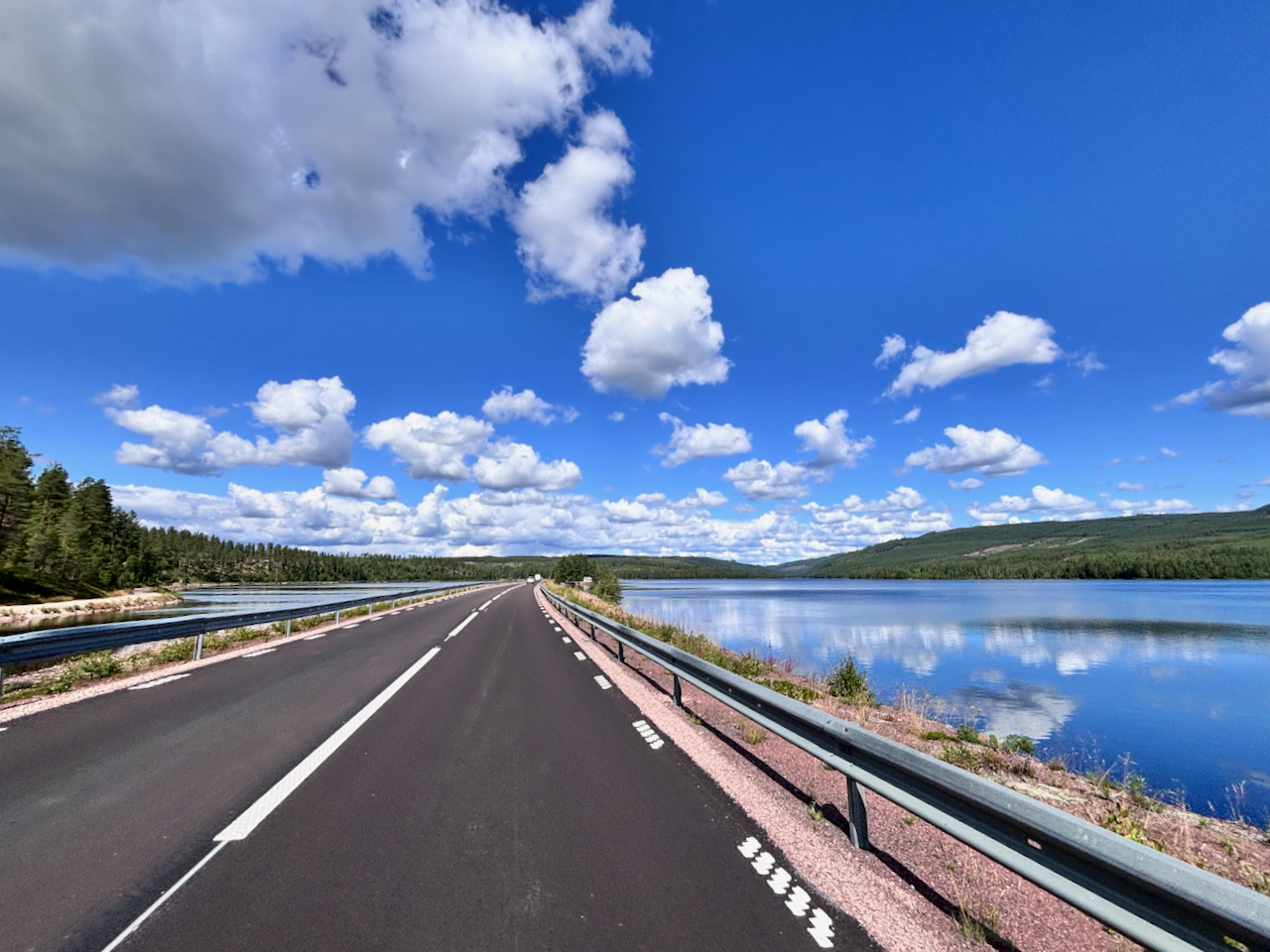
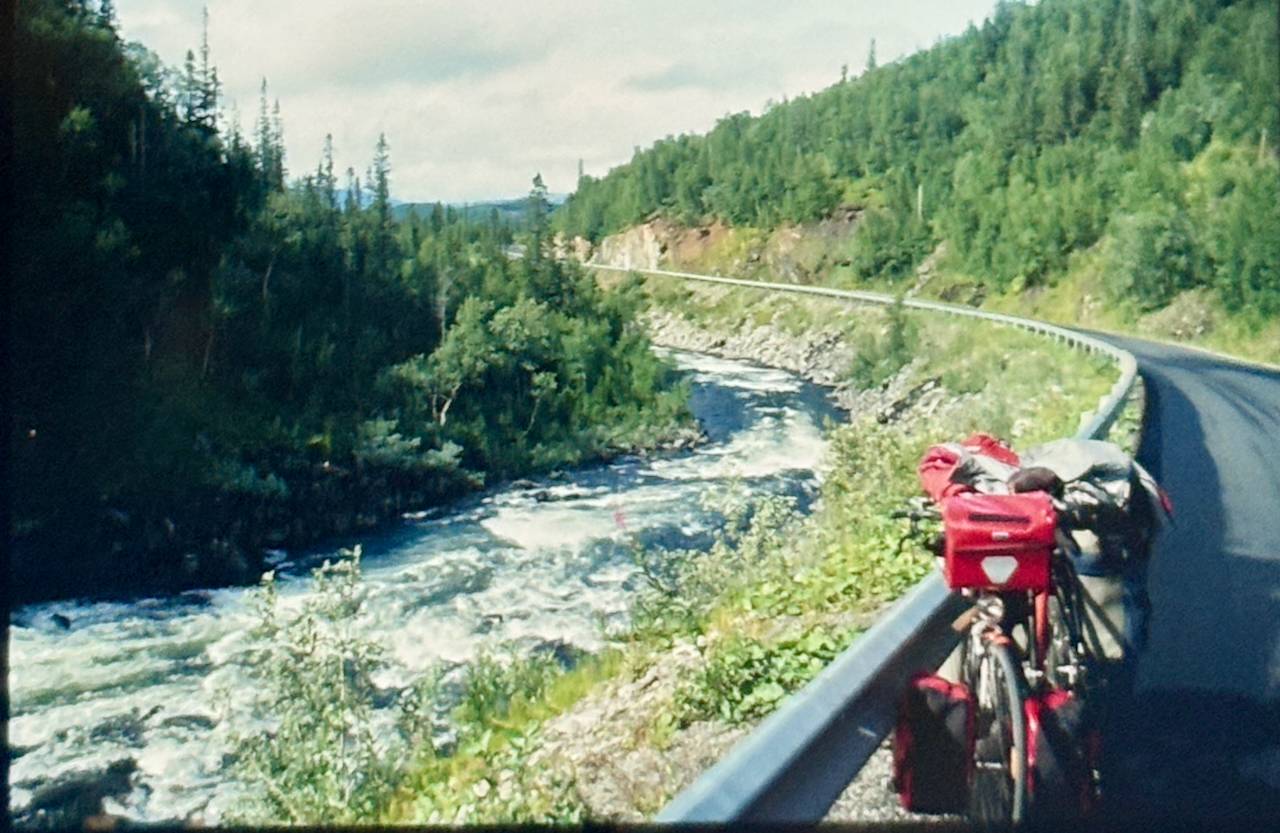
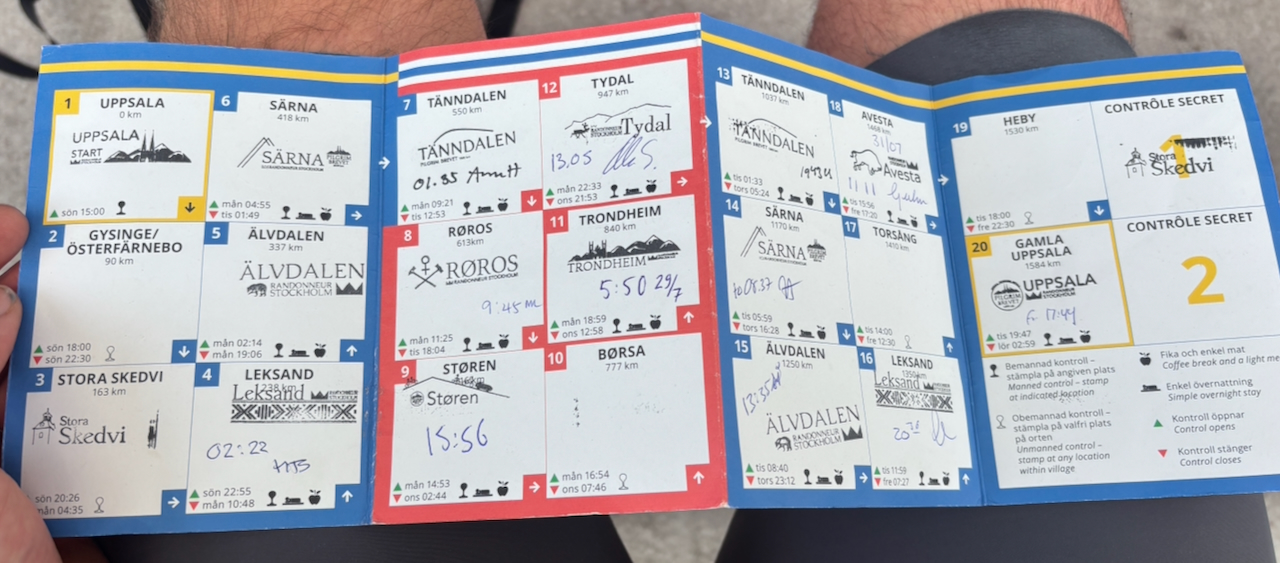
That encounter captures the spirit of the Pilgrim Brevet, a 1,580km ride also known as Uppsala-Trondheim-Uppsala (UTU). It is also linked to something that made this ride particularly personal for me. I spent many childhood summers in Sweden and Norway, and in 1992 attempted my first big solo bike tour there. Parts of UTU would take me back to roads I had ridden 34 years ago.
Organised by Stockholm Randonneurs every four years, the Pilgrim Brevet’s 2026 edition in late July was the third since 2018.
It takes its name from the Helgonleden (“Saints’ Trail”), a historic pilgrimage route from Uppsala Cathedral to Nidaros Cathedral in Trondheim, one of medieval Europe’s major pilgrimage destinations.

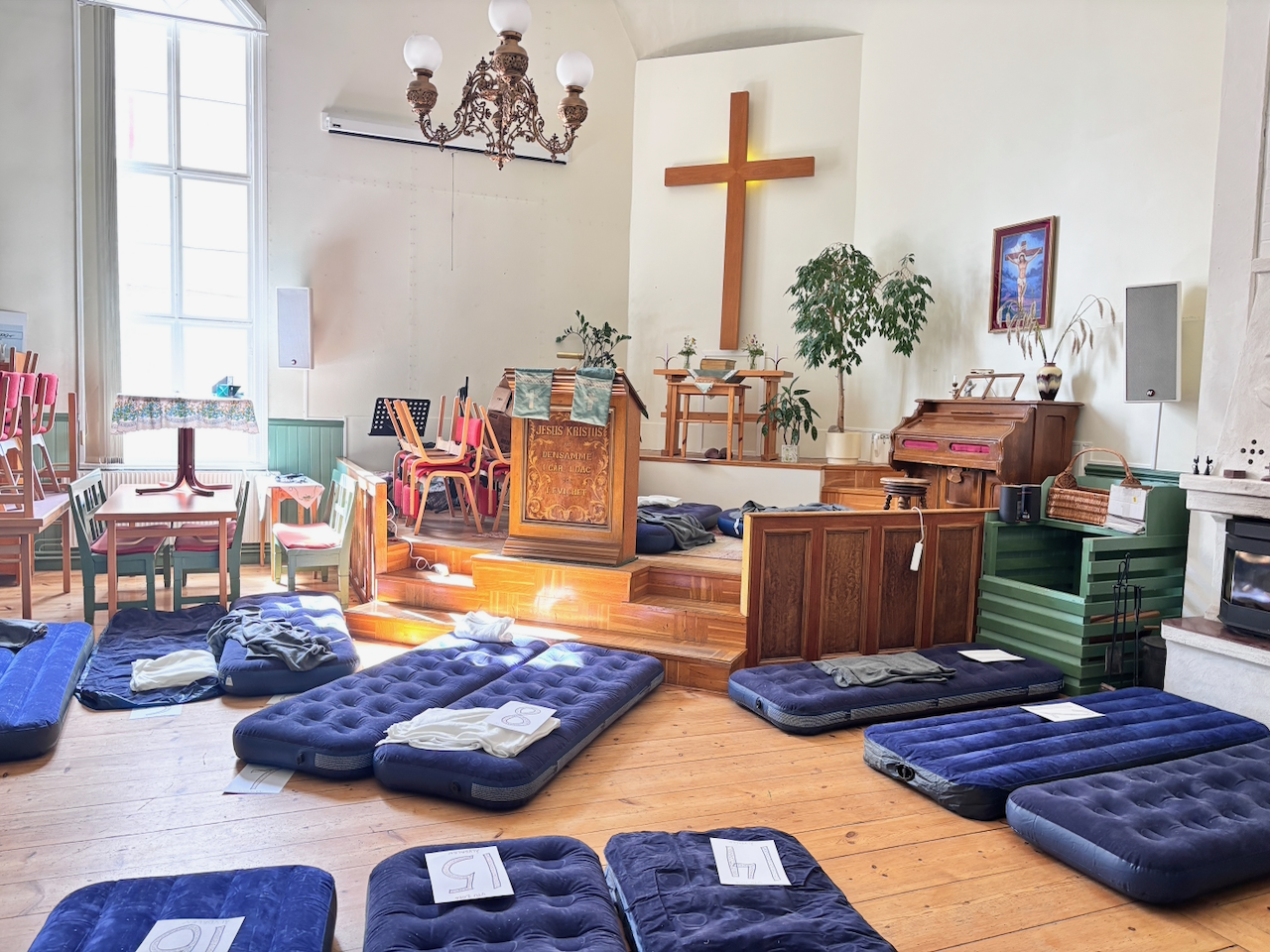
The six-day event attracted just 114 starters but offered much of the infrastructure of far larger brevets: staffed controls, sleeping facilities, bag drops and plentiful homemade food.
Yet it felt entirely different. If Paris-Brest-Paris is Oktoberfest, the Pilgrim Brevet is a family gathering where friends of friends are welcomed as if they’d always belonged.
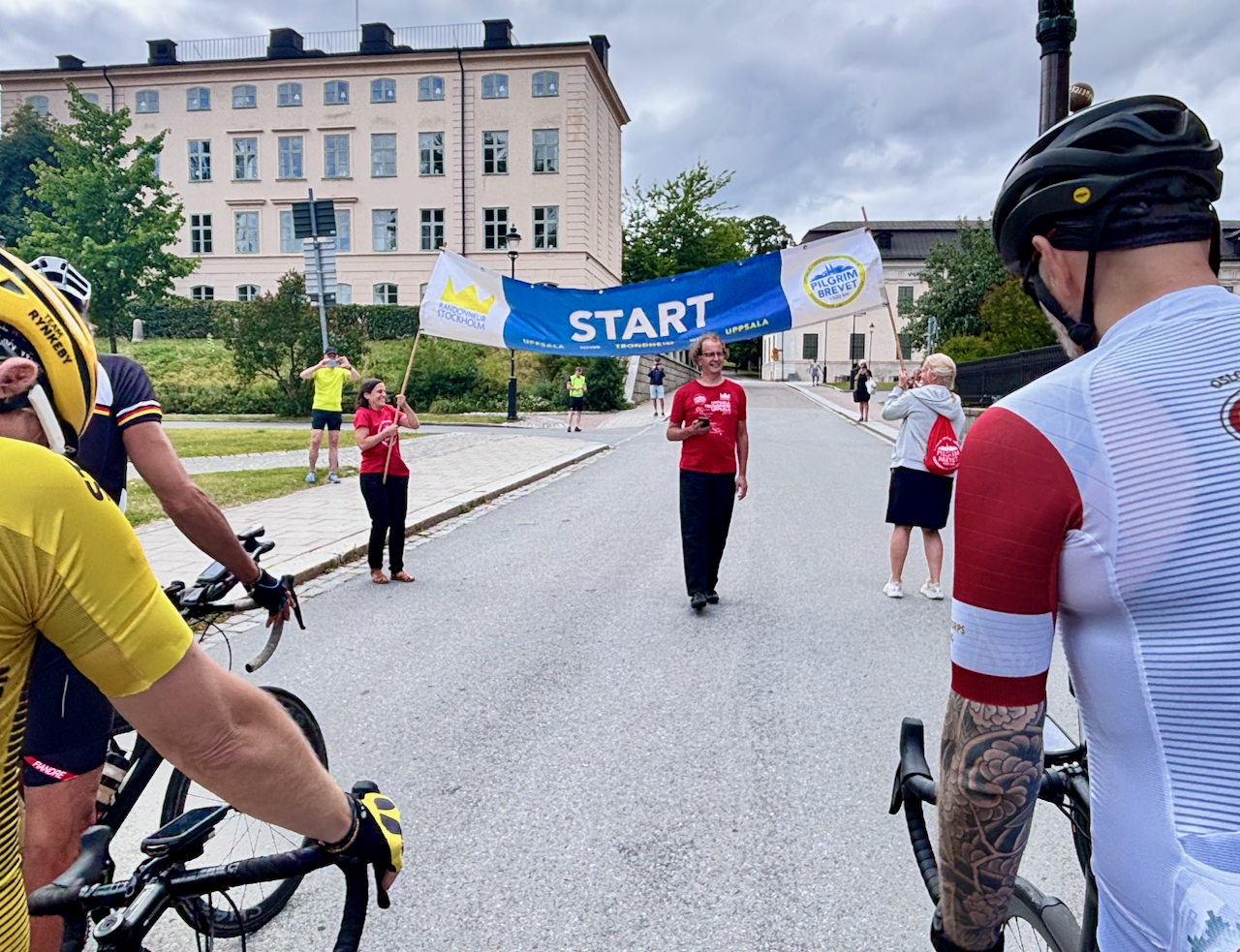
A peculiar feature is that riders leave in four waves, four hours apart, from 7am to 7pm, preventing one big bulge from overwhelming the controls. It worked a treat: I never encountered queues and always got a bed when I wanted one.
There is a downside, particularly for slower riders like me in the later waves. I was in the third group, leaving at 3pm, and rode long stretches alone. While I repeatedly encountered the same dozen or so people, most of them were a tad faster than me on the road, while I tended to be quicker at the controls.
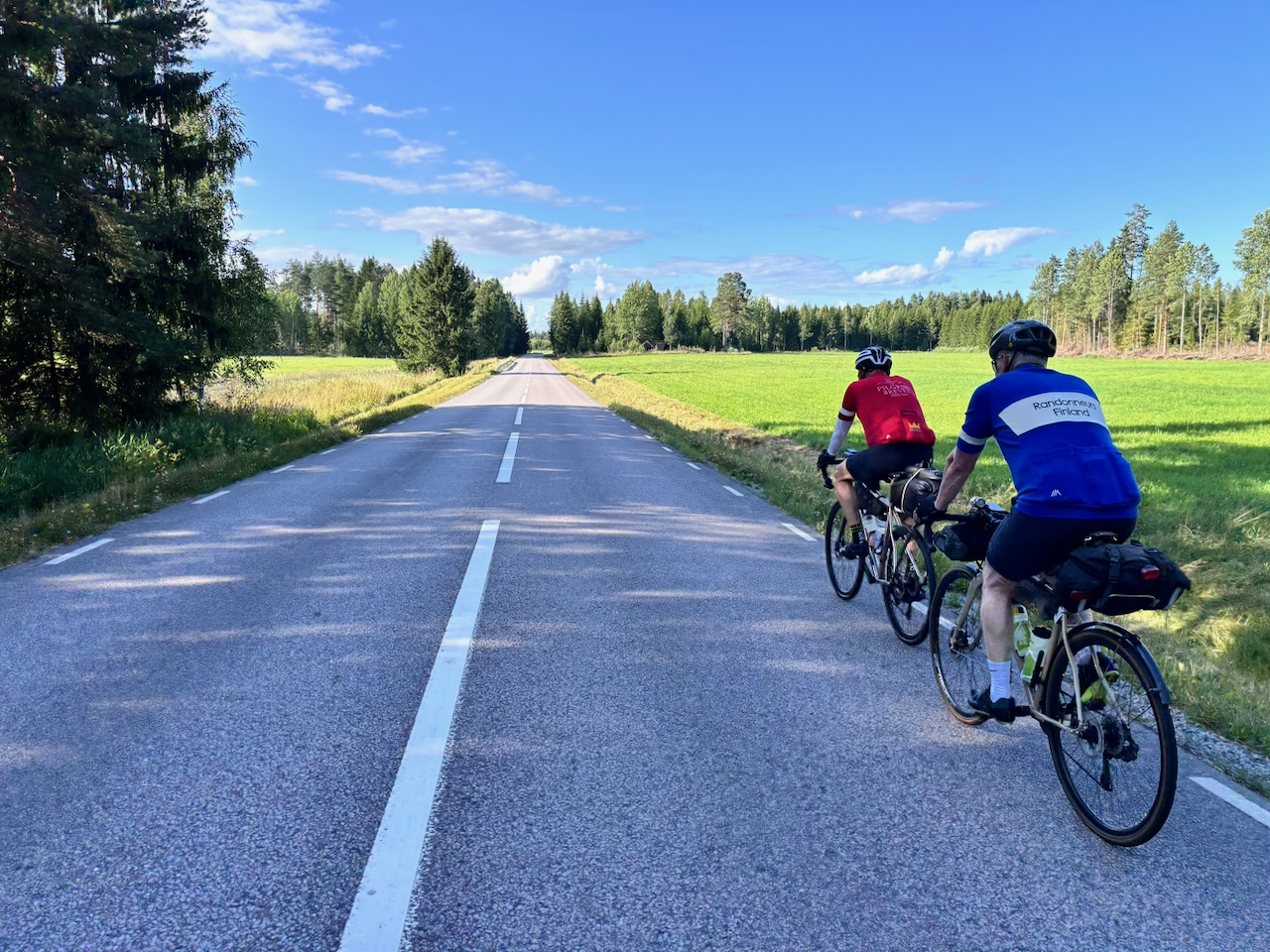
The first day was deceptively easy thanks to a flat route and a tailwind. I took great care of pacing myself properly and did not join the large and fast peloton that formed right after leaving Uppsala. I let the bulk of the riders in my starting group go but found a small group with Charlie, a British rider I had met in my hotel, and a Finnish rider called Anti.
Originally my idea had been to ride until Älvsdalen (337km) before the first sleep, but the 3pm start meant that I would arrive at some point in the morning which did not make particular sense.
Hence I changed plans and aimed for the first manned control in Leksand after just 237km where I was planning to get a few hours of sleep. I was hoping to arrive between 2 and 3am, which worked nicely.
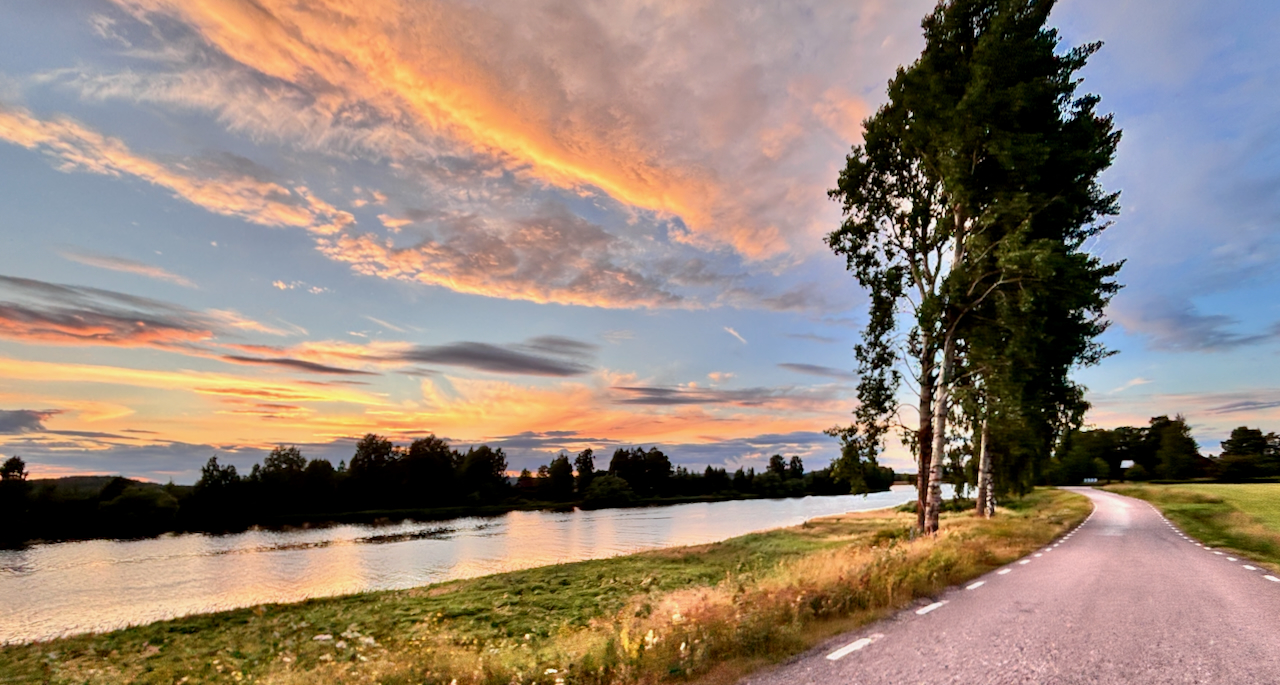
The ride to Leksan was one of my fasted 200s on record. Cycling into the evening and night was absolutely lovely but almost felt too easy by half.
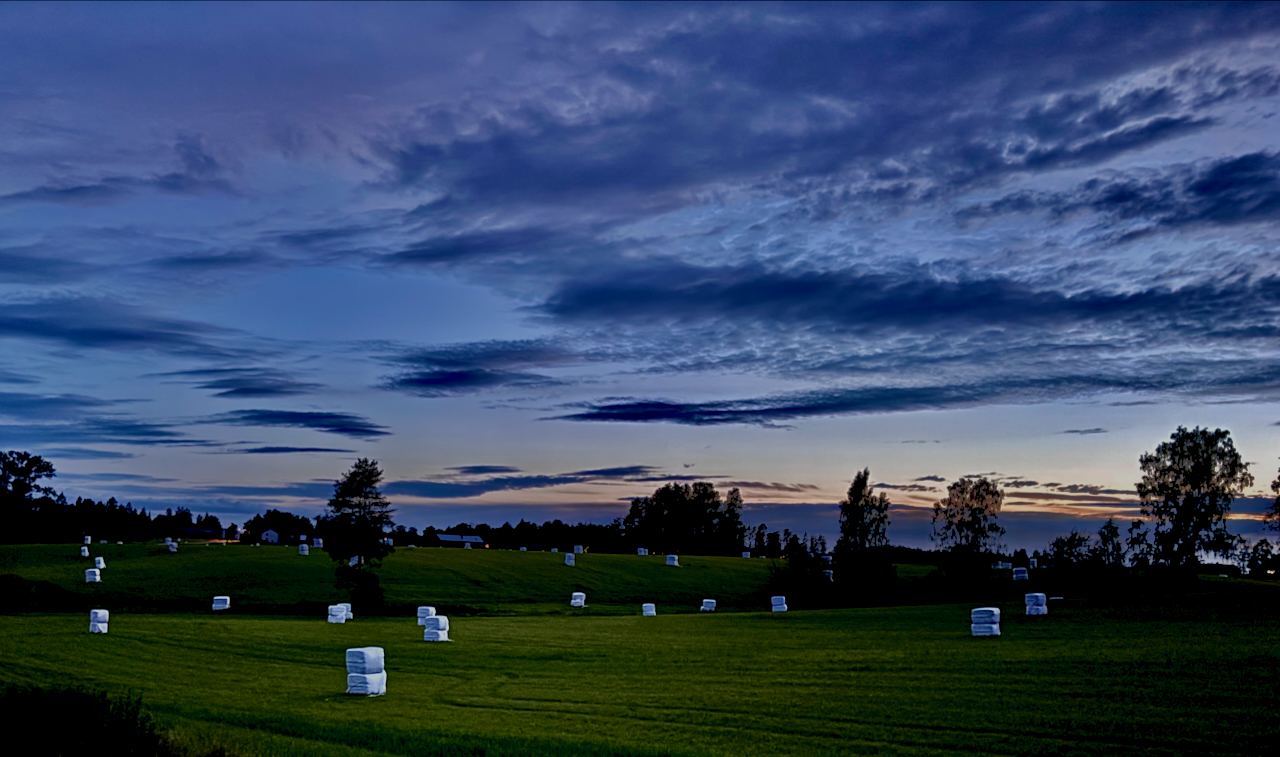
Overall, however, I found the Pilgrim Brevet surprisingly tough. Of course, there is no such thing as an easy 1,400km-plus Audax, but I had not expected it to be quite so demanding.
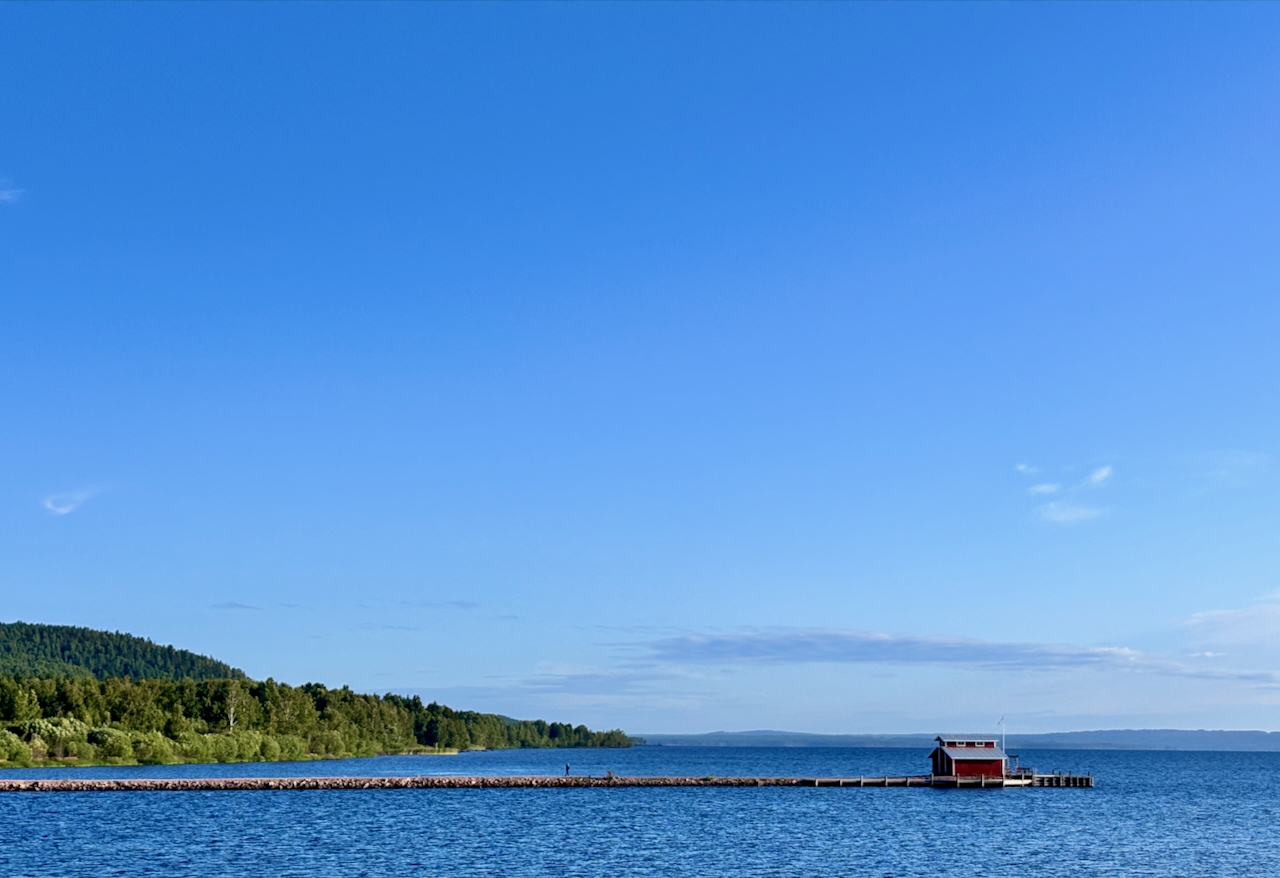
Remoteness, deceptive climbing, weather and an annoying mechanical all took their toll.
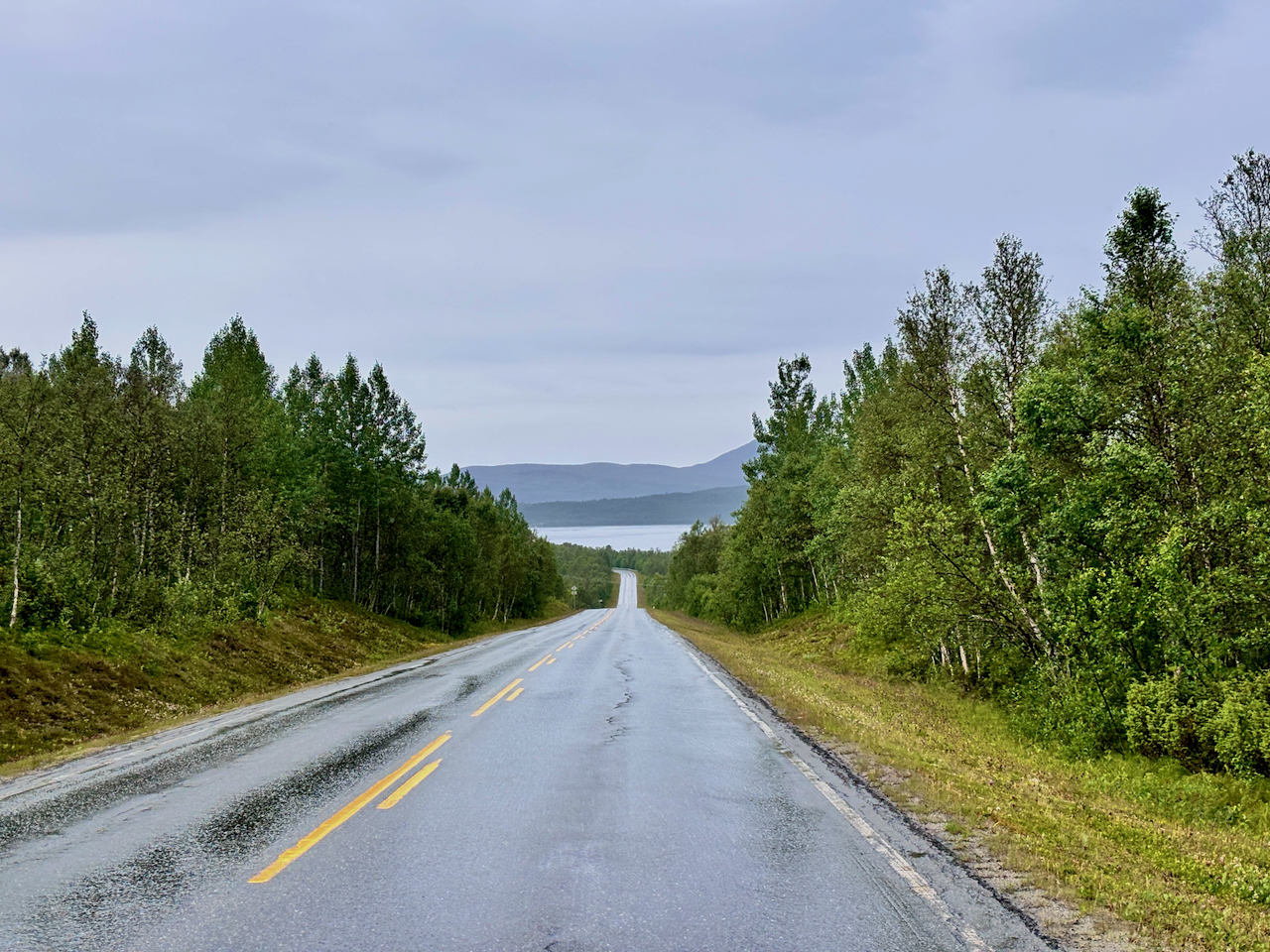
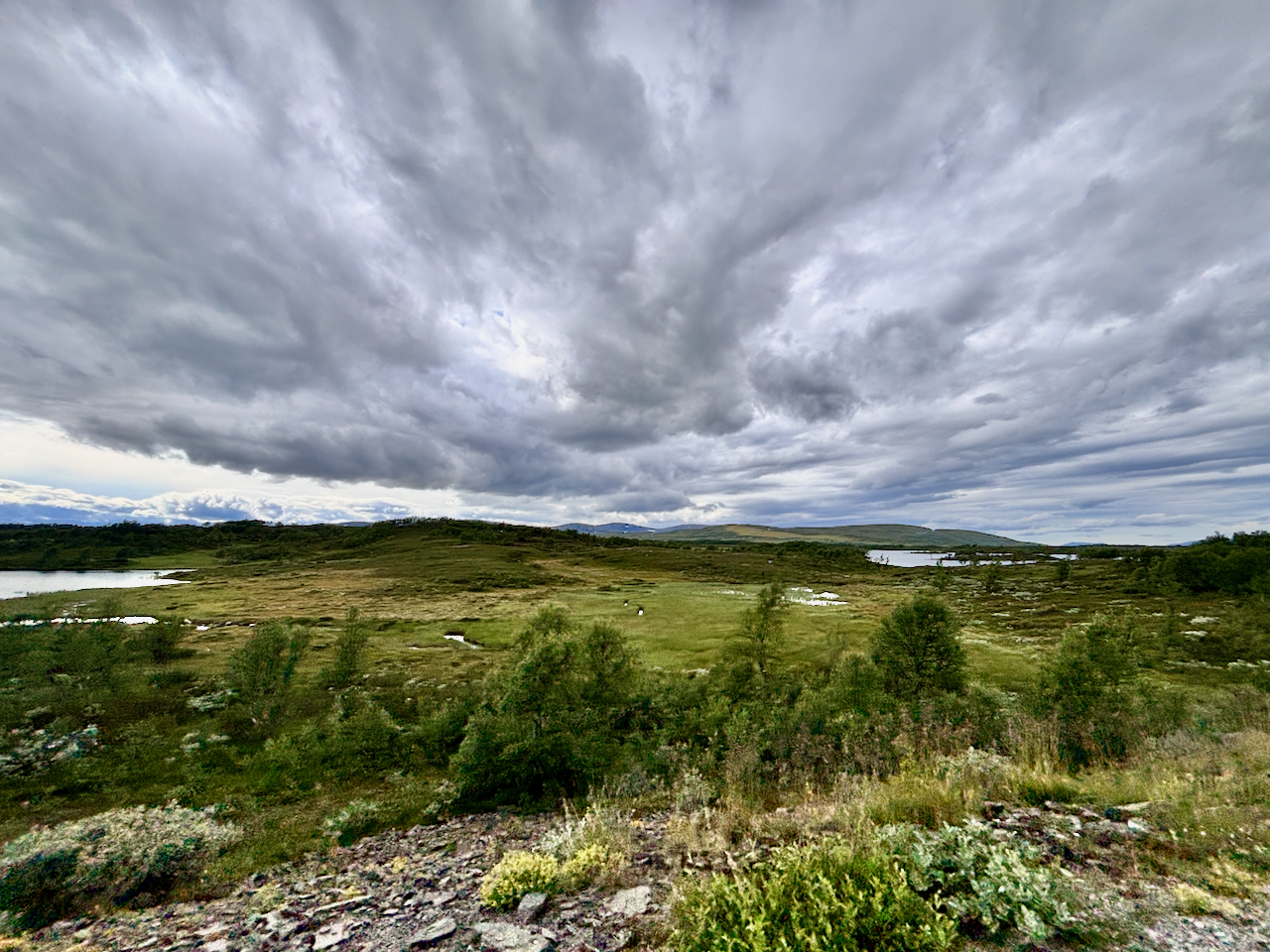
Several stretches crossed basically unpopulated areas, with up to 130 kilometres without any infrastructure. Even getting fresh water could become a challenge.
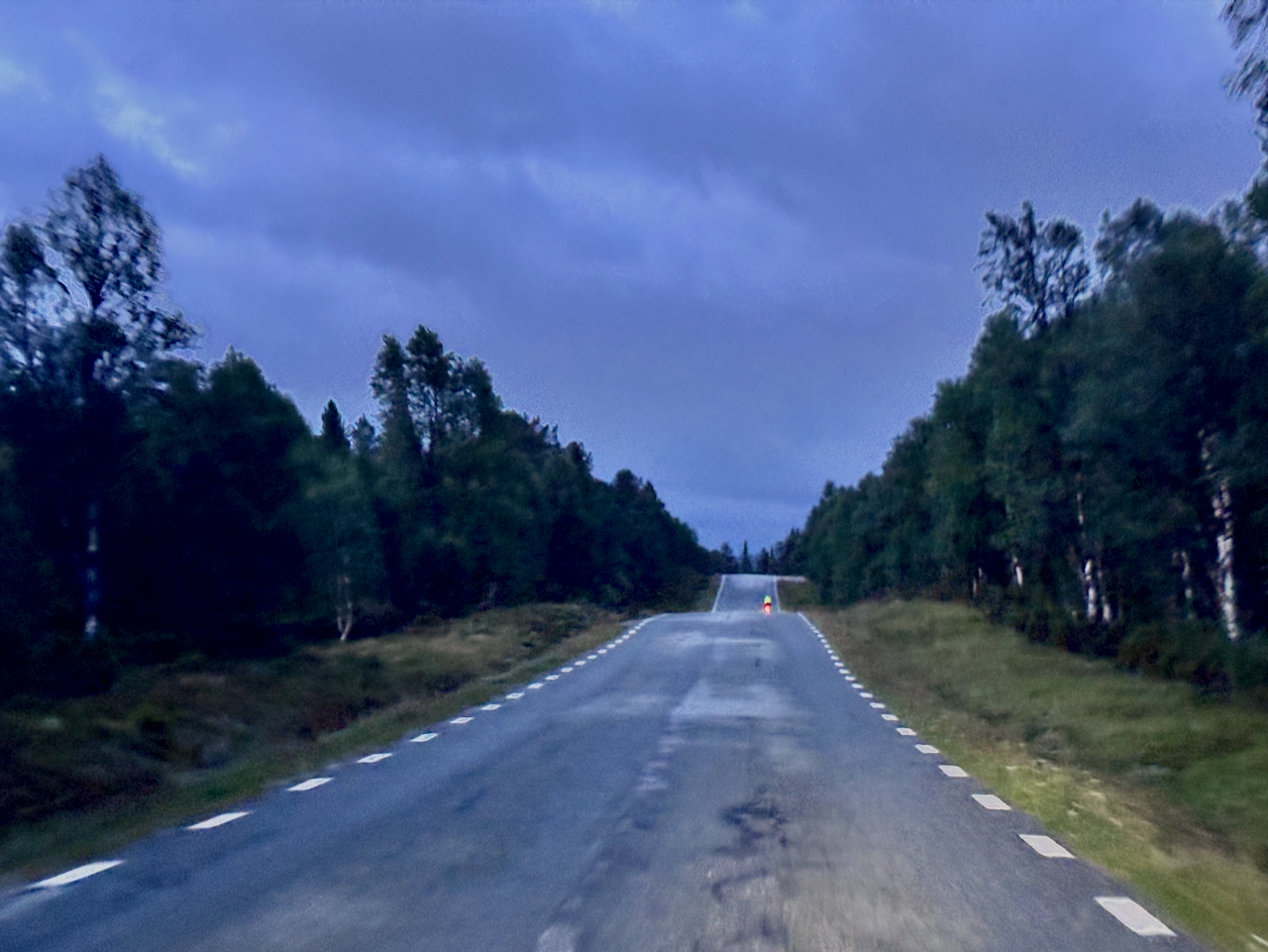
On paper, the climbing looked manageable: 13,000 metres over 1,580km, with few if any really steep gradients. At home I regularly ride Audaxes with a higher climbing ratio, while in relative terms PBP and LEL are similar.
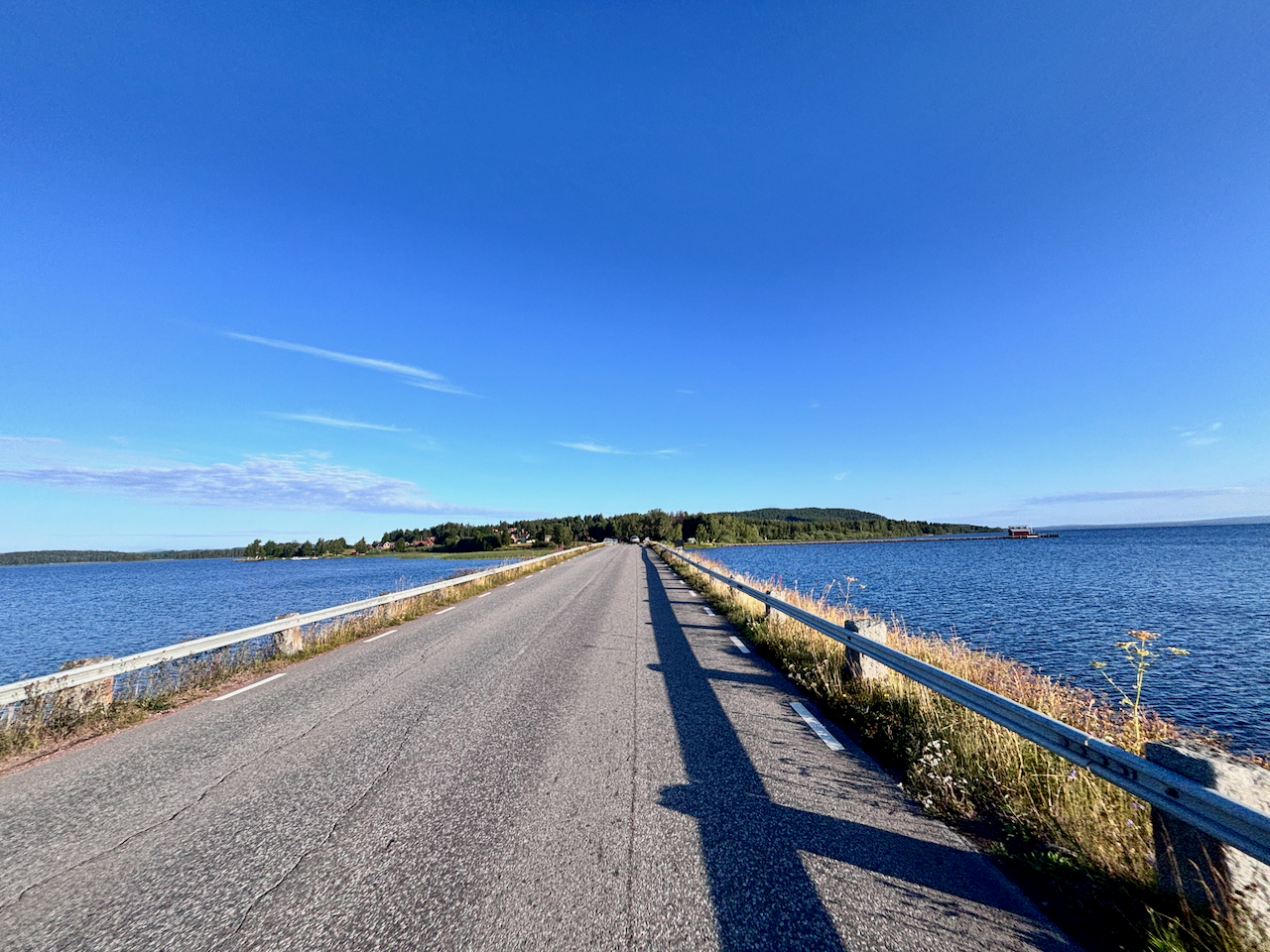
In reality, Sweden’s rolling hills and numerous false flats were surprisingly draining. The 100km between Älvdalen and Särna on the way out were particularly hard.
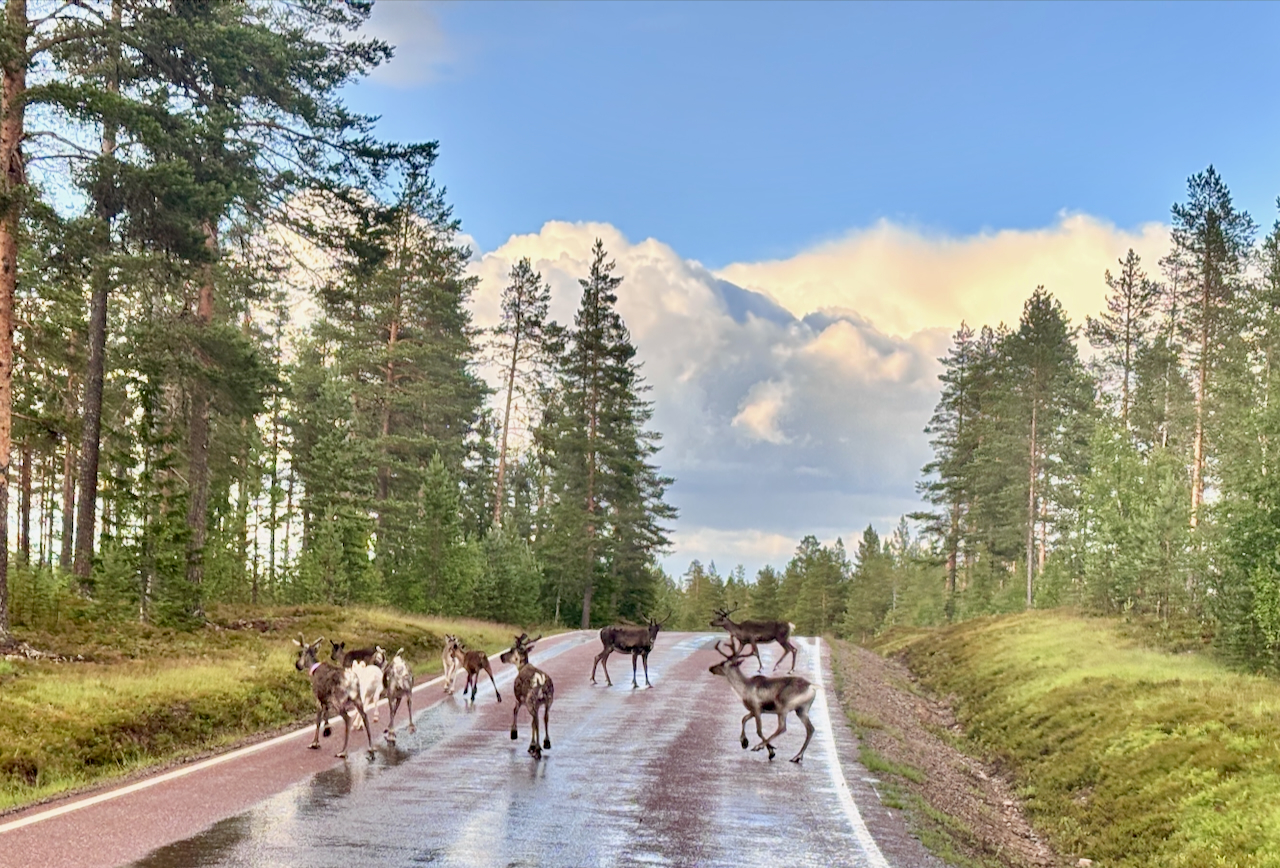
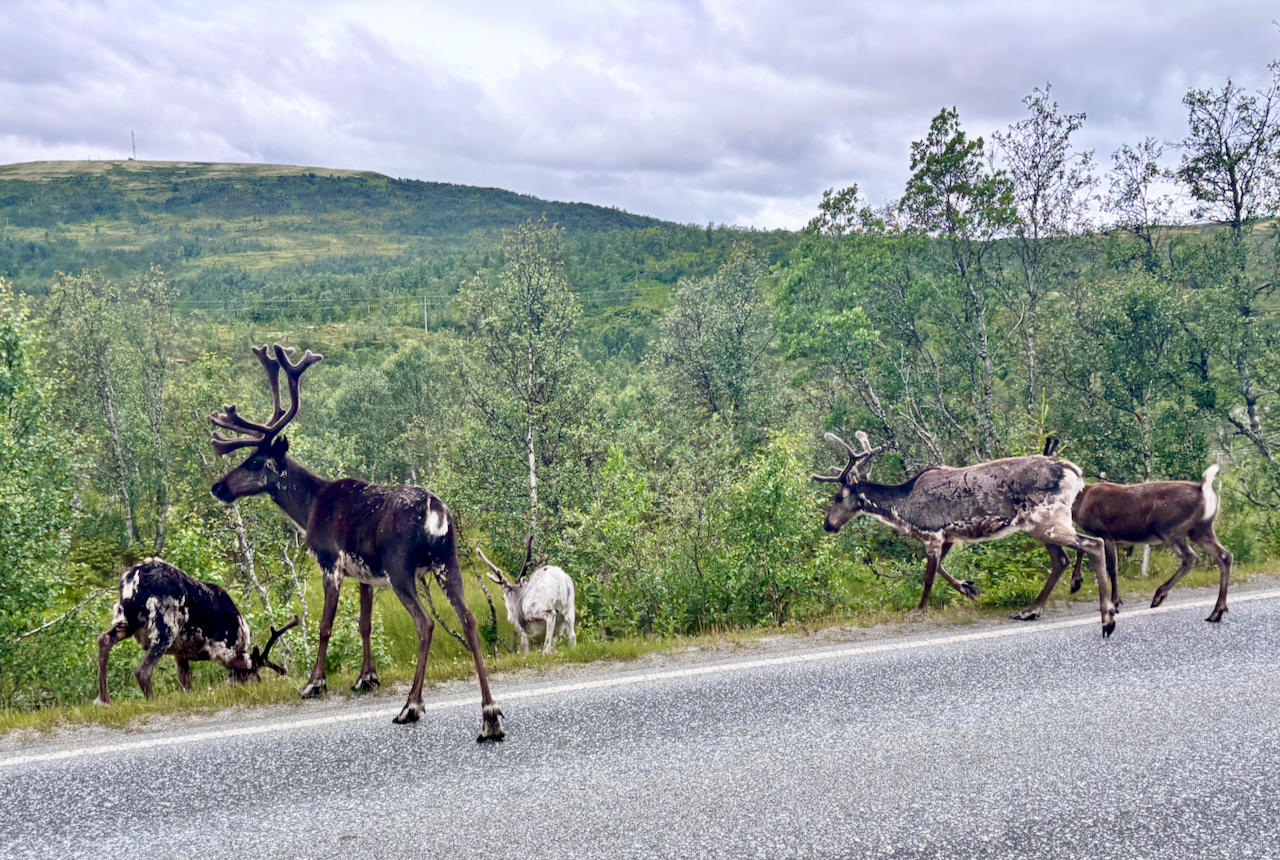
The weather added another dimension. While much of continental Europe was suffering from a heatwave and drought, temperatures on UTU fell as low as 4°C according to my GPS, with other riders recording even less. Heavy rain showers made it properly chilly, while headwinds complicated a lot of the fjäll riding in Sweden and Norway.
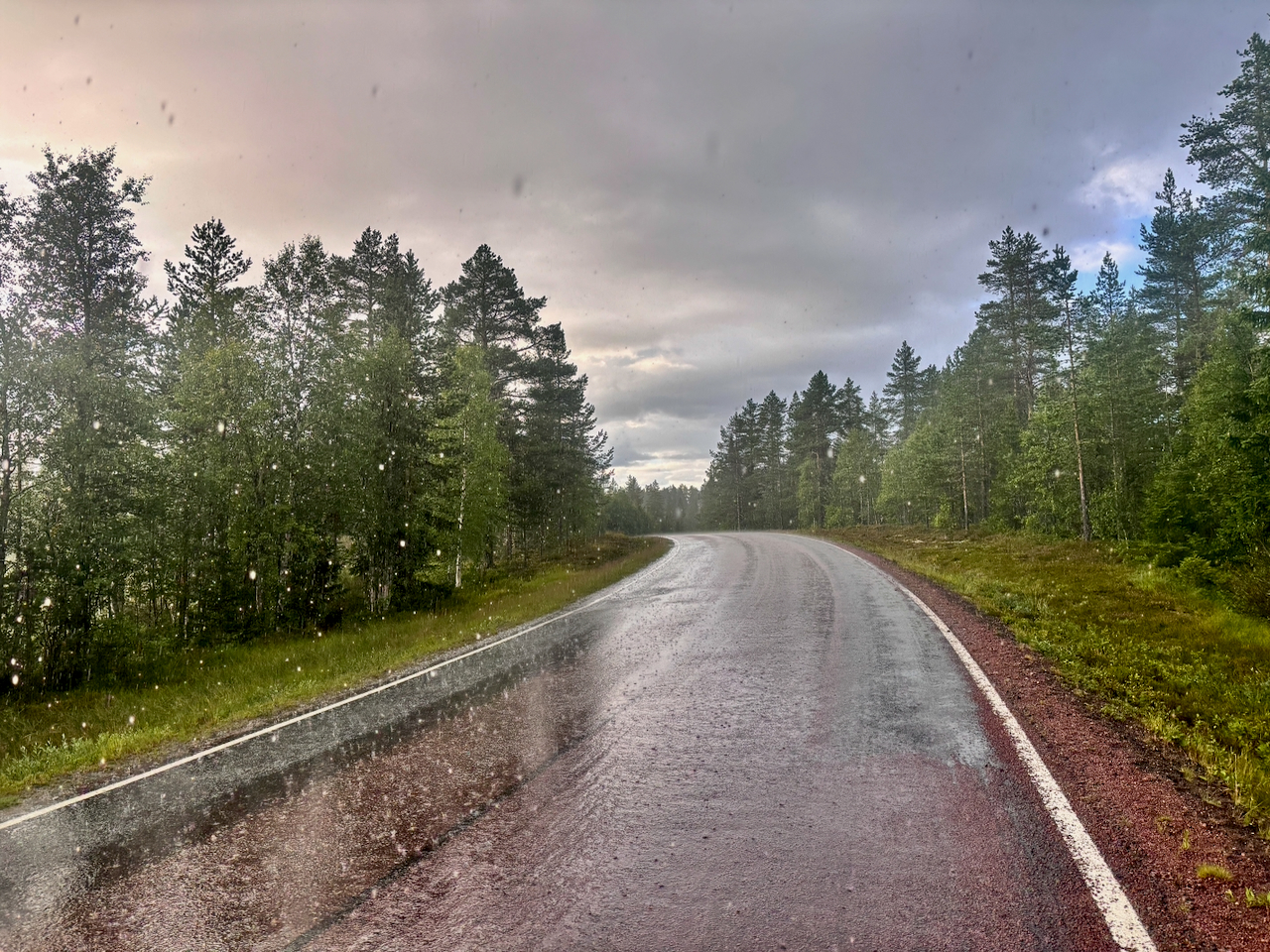
I had prepared for this as much as I could, carrying three litres of water, plenty of backup food and winter layers. Both my drop bags were at Tänndalen, the gateway to the 500km Norwegian loop and a control we passed twice. This allowed me to swap into winter kit before Norway and dump it again on the return. It worked beautifully.
Barring mechanicals
About 90 minutes after leaving Särna towards Norway, and heading into the second night of the ride, I still came very close to packing.
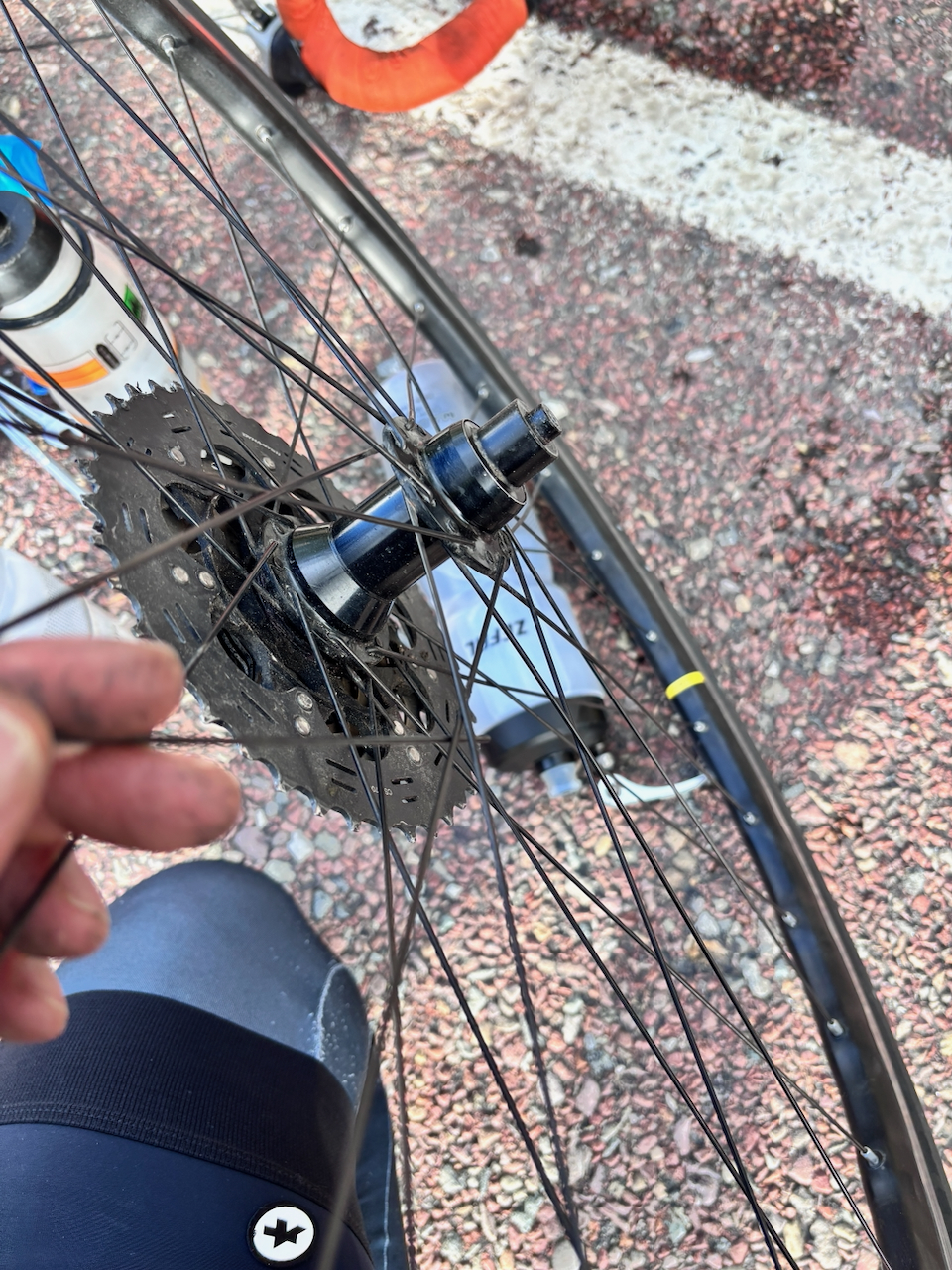
I had just finished a call with my wife when I heard a characteristic “plonk” from my rear wheel: a spoke had gone.
I wasn’t overly concerned at first. I was carrying four spares and had replaced broken spokes by the roadside before, although never on this particular rim, a Mavic Open Pro UST. The spoke had broken in half (very unusual) on the drivetrain side, meaning I needed to remove the cassette. That usually requires special tools I wasn’t carrying, but thanks to the ingenious design of DT Swiss 240 hubs, the freehub body and cassette can be removed without tools.
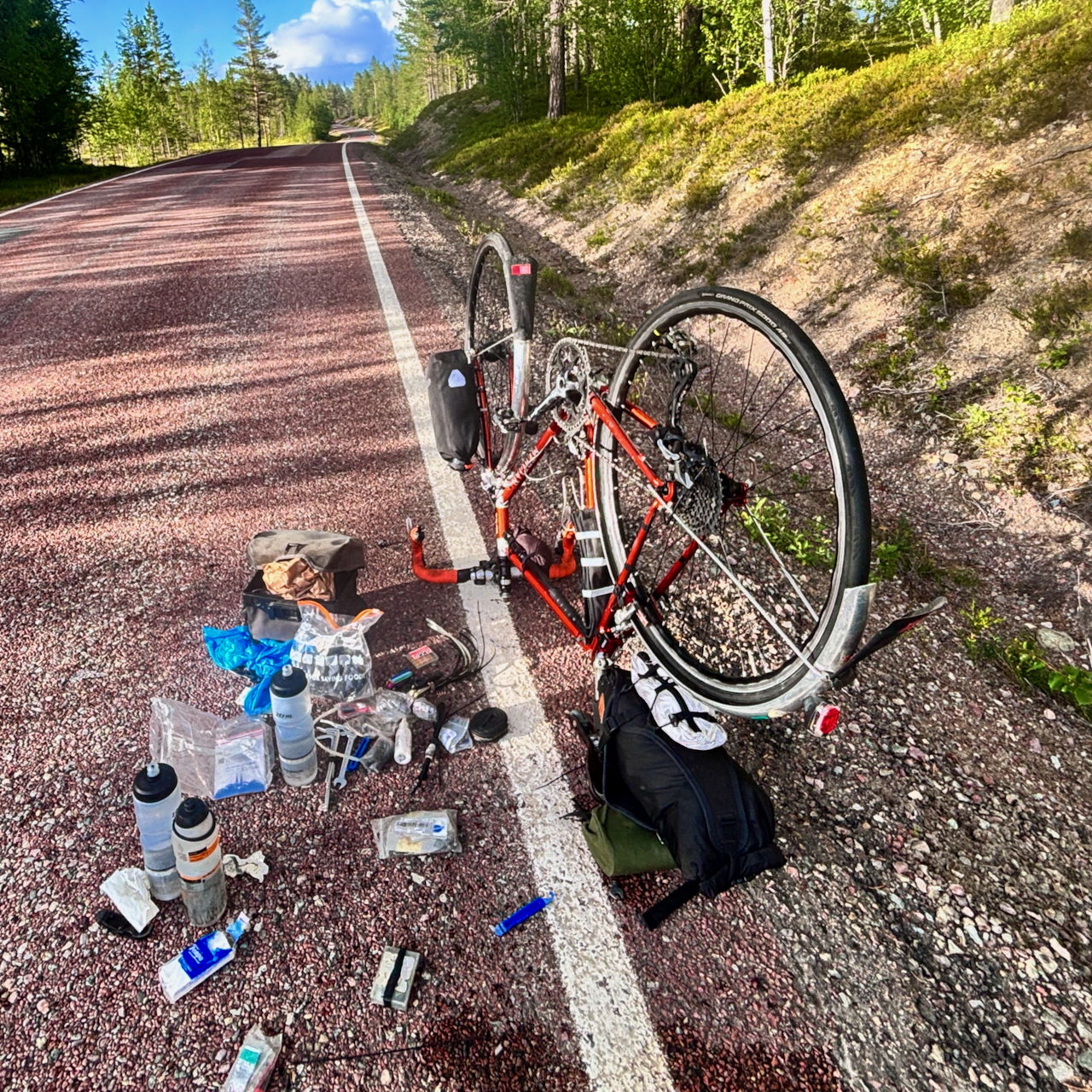
The repair still proved much trickier than expected, mainly because of my own ineptitude. After removing the broken spoke, I realised that its nipple had disappeared into the rim’s hollow chamber.
Shit.
I also had four spare nipples, but replacing the lost one required removing the tyre and rim tape — very annoying because I was riding tubeless. But there was no alternative.
I tried to insert a replacement nipple. It immediately fell into the rim.
I tried again.
The same thing happened.
I was two nipples down and baffled. How to seat the effing nipple?
I could simply re-true the wheel with one spoke missing, but I didn’t dare continue into Norway, the most remote part of the route, with a compromised wheel. A Finnish rider who had abandoned earlier with saddle sores had warned me how difficult it was to get back to Uppsala from there without a rideable bike: the main transport links run north-south rather than east-west.
I really, really did not want this to become my third failed ultra-distance event in succession, after the Madonna del Ghisallo brevet in 2024, cut short by awful weather, and London-Edinburgh-London in 2025, cancelled because of Storm Floris.
My last resort was calling a cycling friend who is an engineer and builds his own bikes. Gerd knew I had travelled to Scandinavia for the Audax and sounded noticeably perplexed when he answered.
I started describing the problem. Before he had fully clocked it, the solution suddenly occurred to me.
I just needed to stick a spare spoke through the rim, put a nipple on it and use the spoke as a kind of seating tool. Then carefully remove that spoke and replace it with the one I actually wanted to install.
Very simple.
I quickly ended the call. The fix worked immediately.
It had started raining in the meantime, so I didn’t bother retrieving the nipples rattling around inside the rim. I put in a tube and haphazardly re-trued the wheel. It still had a minor buckle, but the rain was now heavy and I wanted to carry on, so I widened the rear brake a little and set off.
I was pleased and concerned at the same time. Turning back seemed no longer strictly necessary, but was cracking on into Norway really sensible? What if another spoke went?
The rain became heavier and the temperature dropped to 4°C. Some 100km to Tänndalen lay ahead and it was getting dark. Another forced stop in the wilderness could have turned nasty.
As I rode on, I started to catastrophise. I repeated some old mantras used on earlier Audaxes. “I will prevail” and “I’m not doing this because it’s easy, I’m doing it because it’s difficult.”
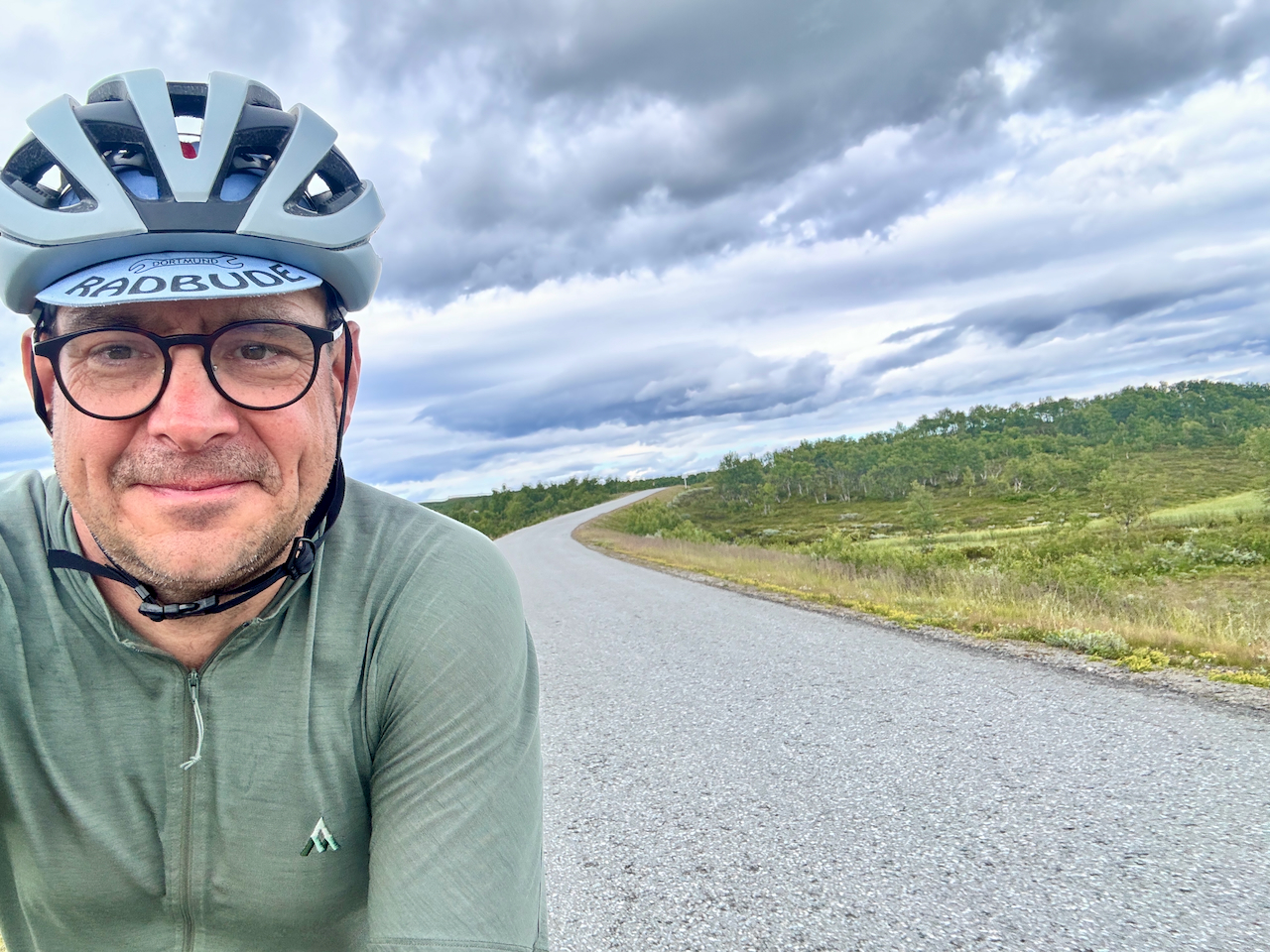
Eventually I told myself that the wheel had worked perfectly for more than a year, that I still had replacement spokes and nipples — some now safely stored inside the rim — and that fretting about something that might never happen was pointless.
Several Swedish cyclists caught up with me, and chatting to them provided a welcome distraction before I let them ride on.
I reached Tänndalen at 1.30am, having left Särna at 5.15pm. The 133km had taken a whopping eight hours and 15 minutes, including 41 minutes spent fixing the spoke.
What a slog.
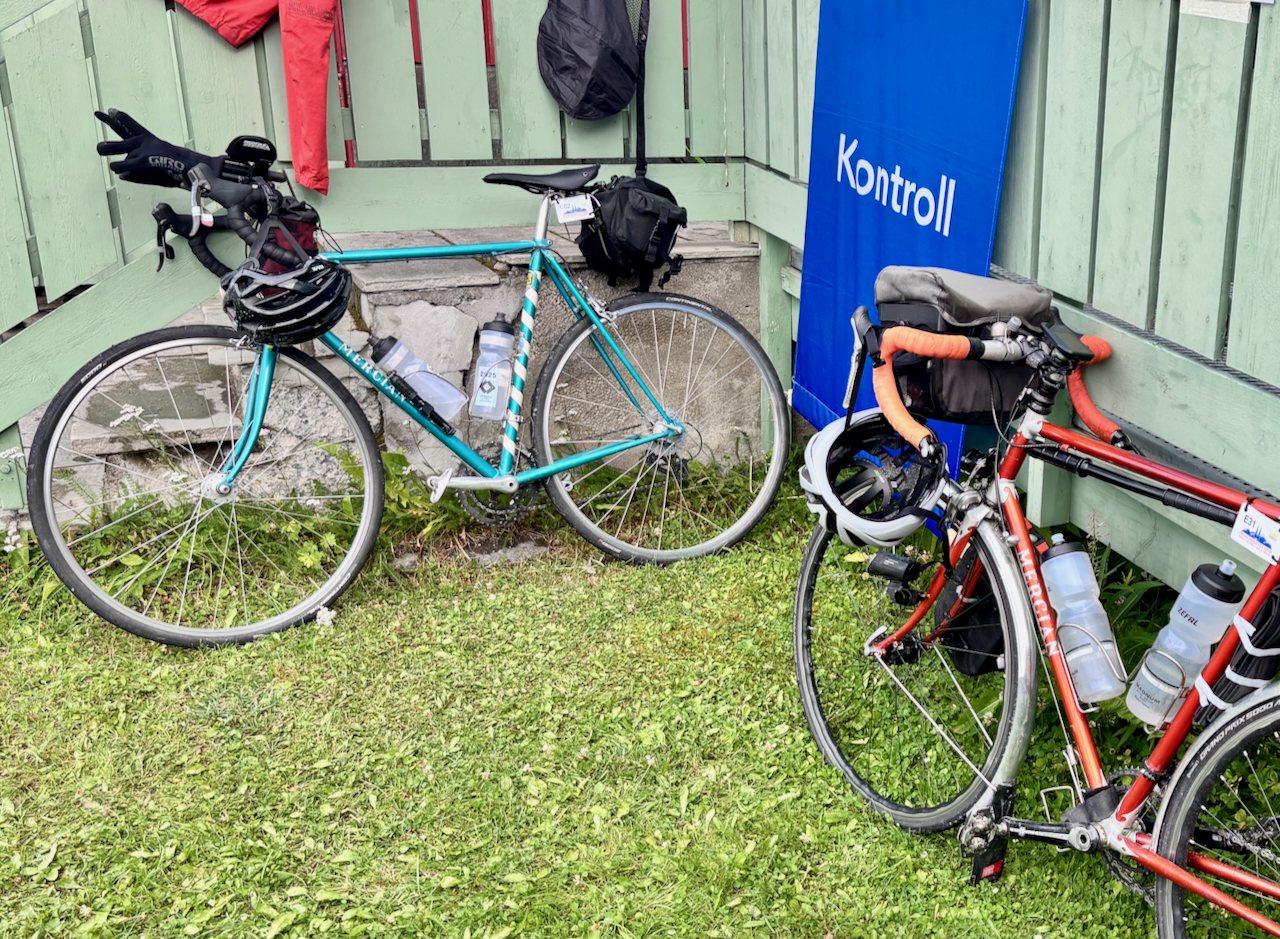
I was back on the road at 6.30am after dinner, breakfast and 2.5 hours of sleep on an airbed in the control dormitory.
It started raining again shortly after I left, but I was in good spirits. I had booked a bed in central Trondheim for the following night, meaning a relatively short day of just 283km, with more descending than climbing.
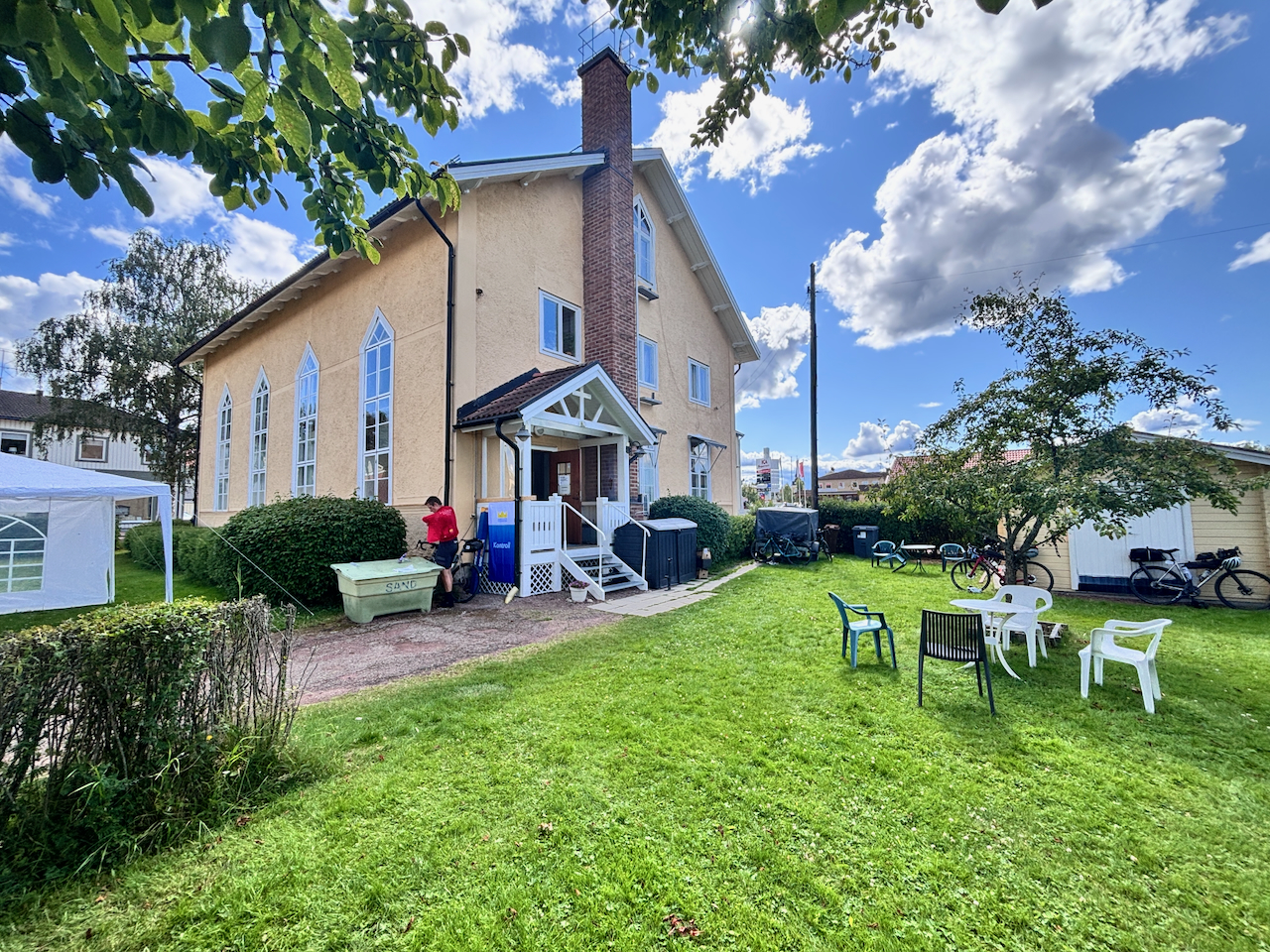
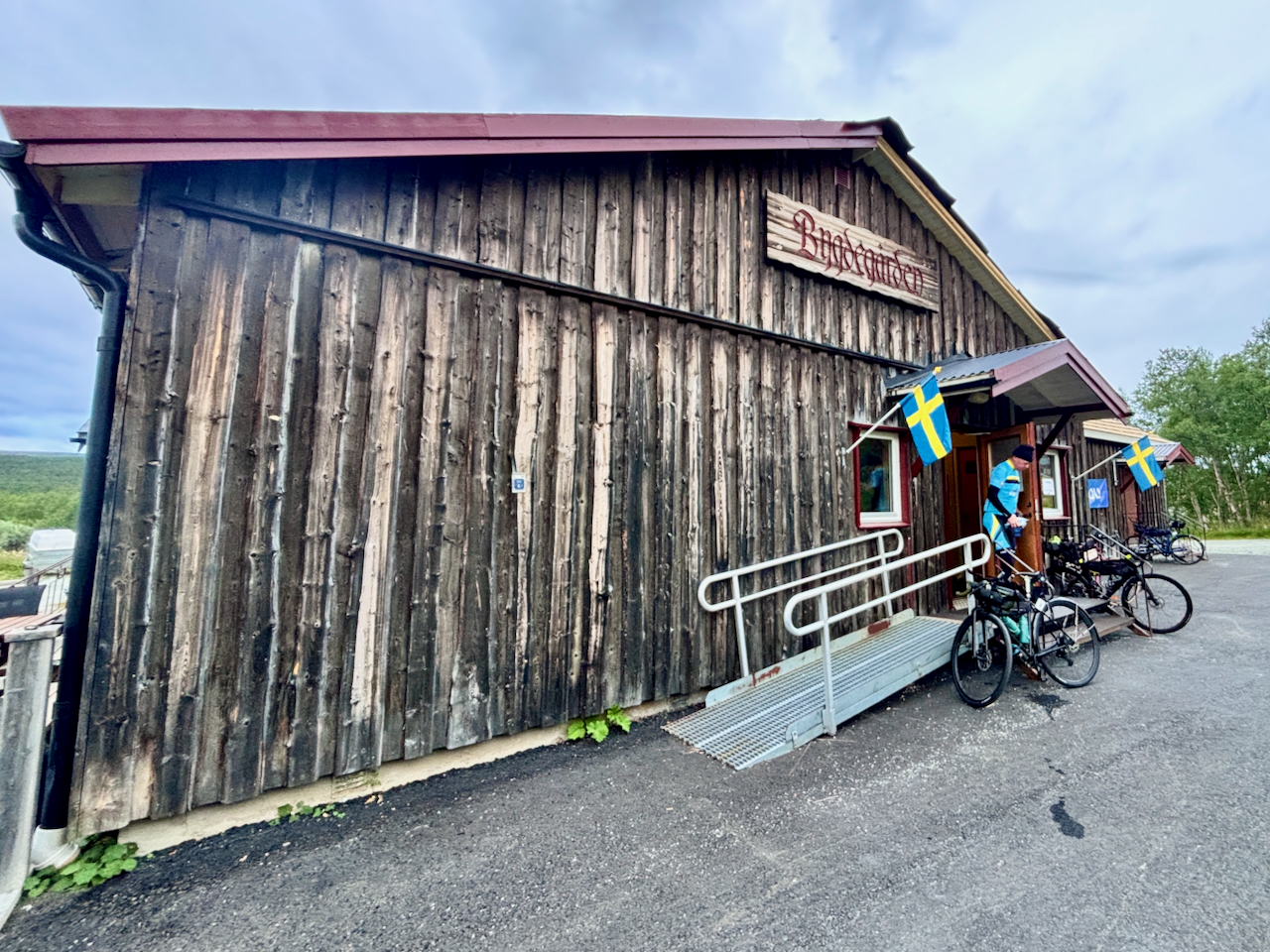
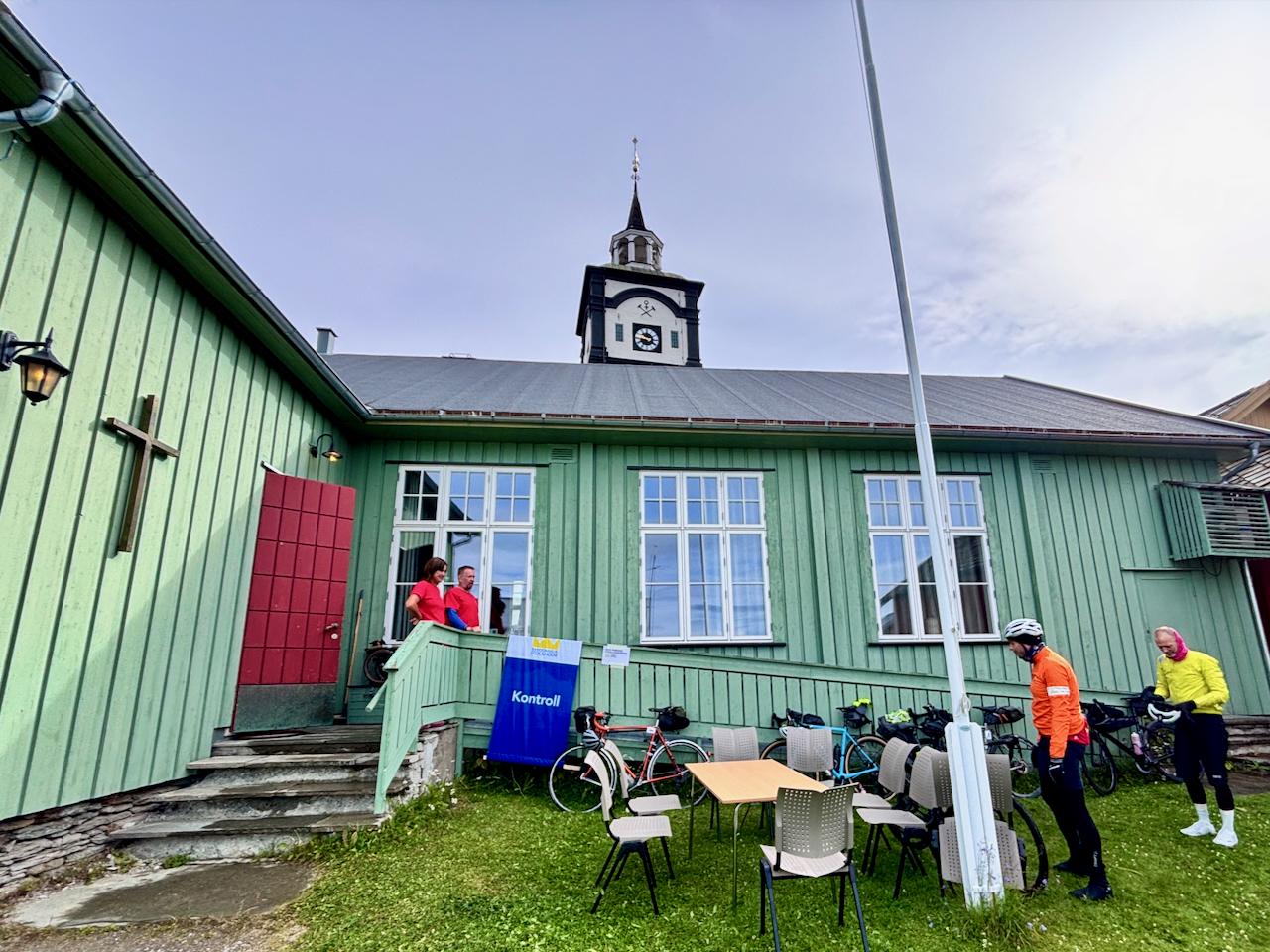
The 62km to Røros were wet but uneventful. I remembered little from my first visit 34 years earlier, but the control in a tiny church was lovely: Swedish randonneurs from Stockholm provided a warm welcome, tasty soup and excellent waffles.
On the next section to Støren — 104km with 1,000 metres of climbing — I began to notice that I had covered more than 650km in the 48 hours since leaving Uppsala. I had slept for only around five hours in total during two nights.
By Tuesday afternoon I was getting so tired that I came close to hallucinating. I knew I was riding alone, yet had the distinct feeling that other cyclists were around me.
Eventually I stopped and, for the first time in about ten years, took a caffeine pill.
It was a game changer.
After a brief supermarket stop between Røros and Støren, and a 50-minute break at Støren for a generous helping of potato salad and frankfurters, plus cake, I felt strong again.
Magic moments
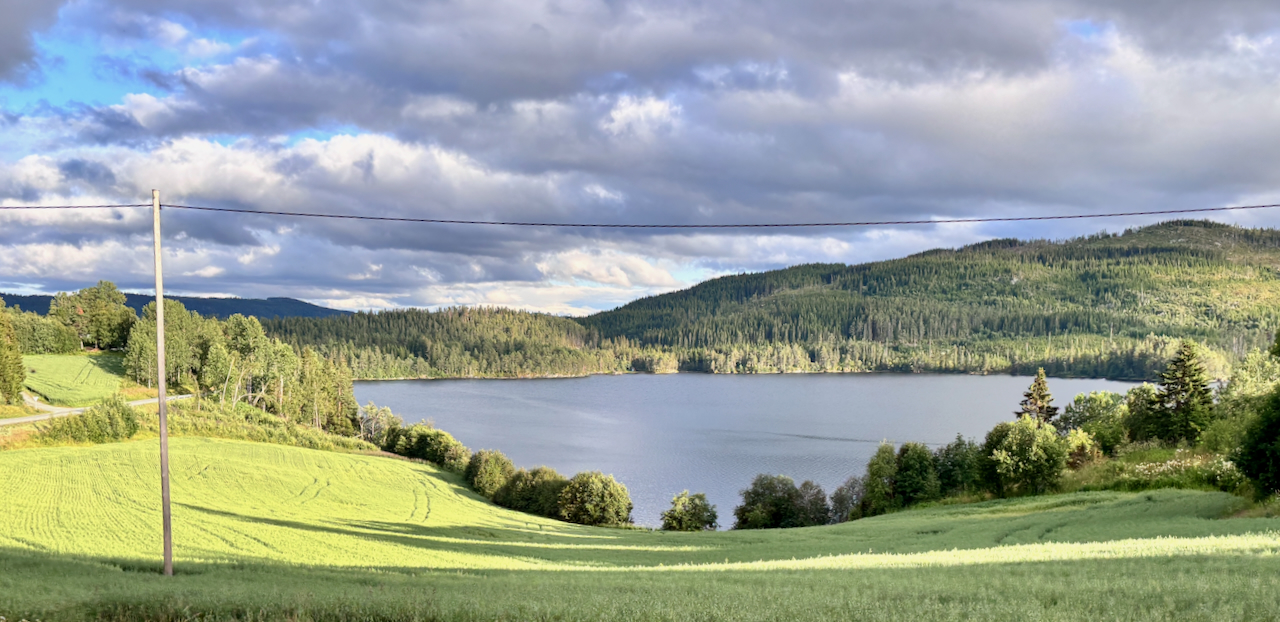
The subsequent hours to Trondheim were among the best of the ride. North of Støren the route left the E6 valley and climbed into Høl^onda, a hilly, densely forested landscape dotted with lakes. It was totally different from the fjäll and reminded me of the Alpine foothills, or — barring the lakes — the Odenwald near Frankfurt.
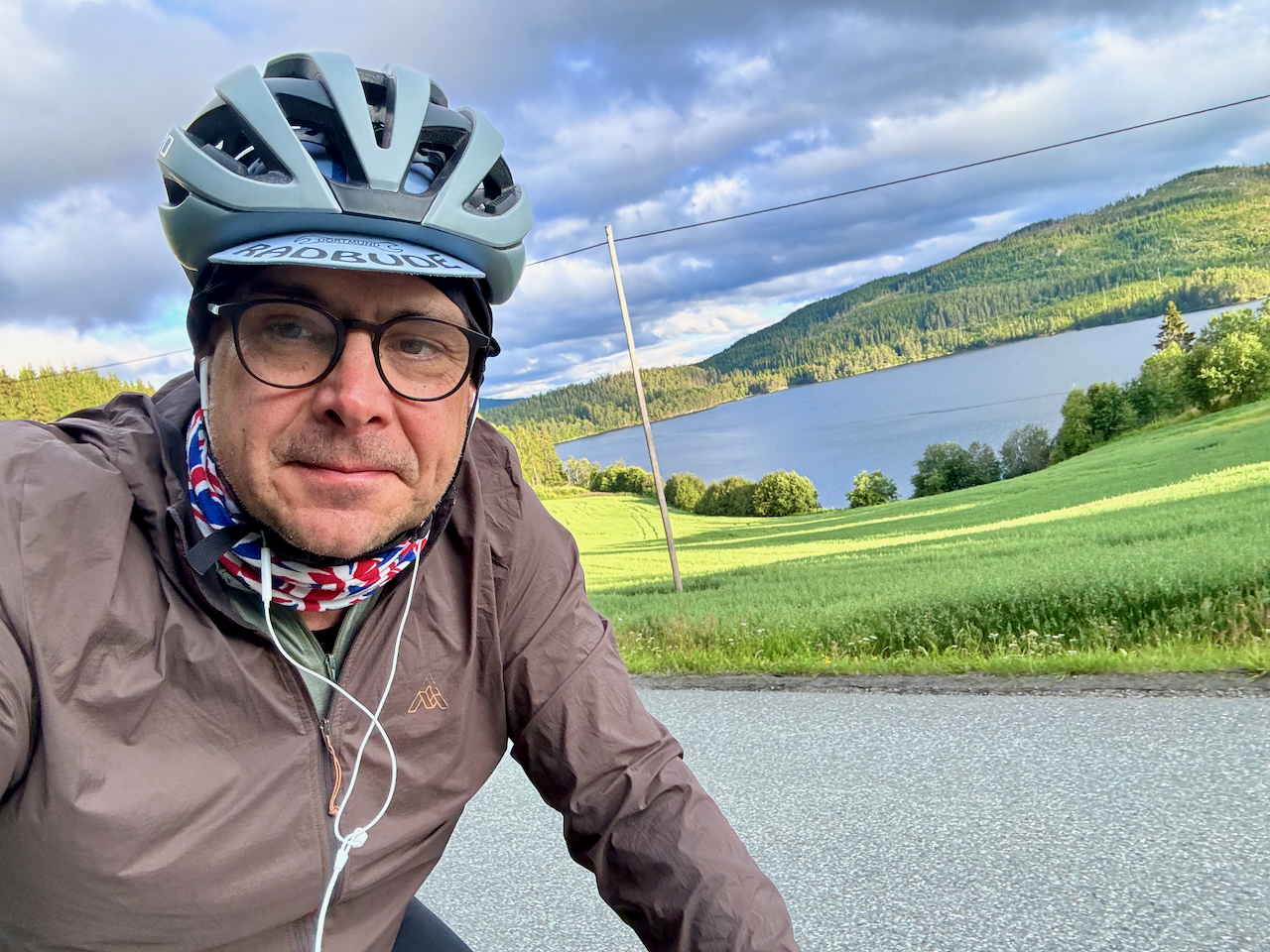
The rain had gone and the late-afternoon sun had come out. Then, at Børsa, I hit the Trondheim fjord and the landscape changed instantly. It felt as if I had travelled from Austria to the North Sea within 10 minutes.
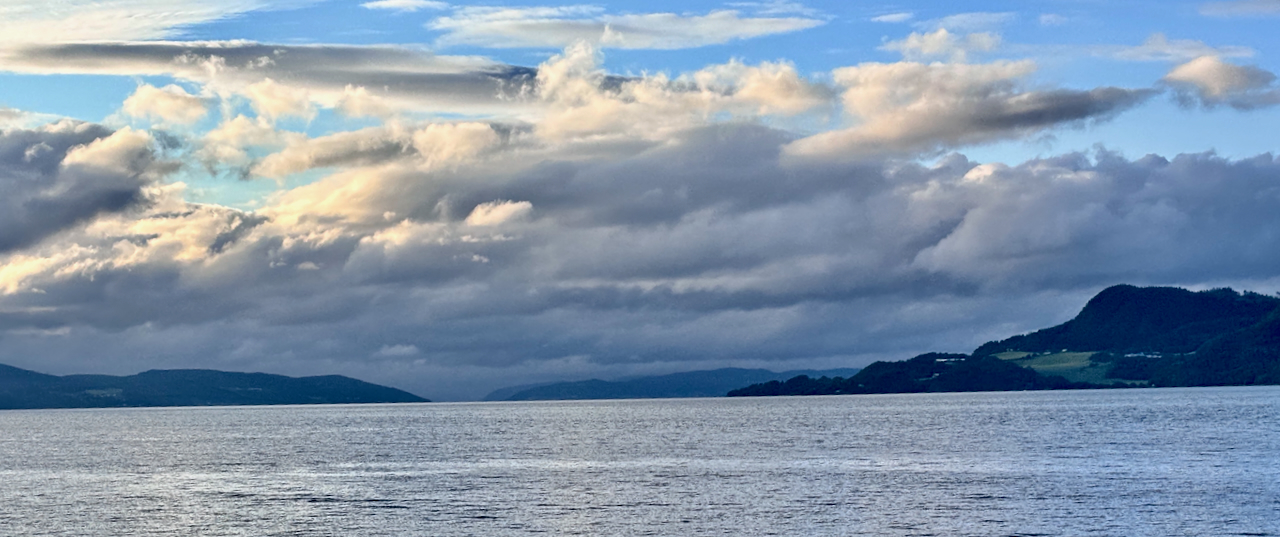
The route followed the fjord towards Trondheim in the evening sun.
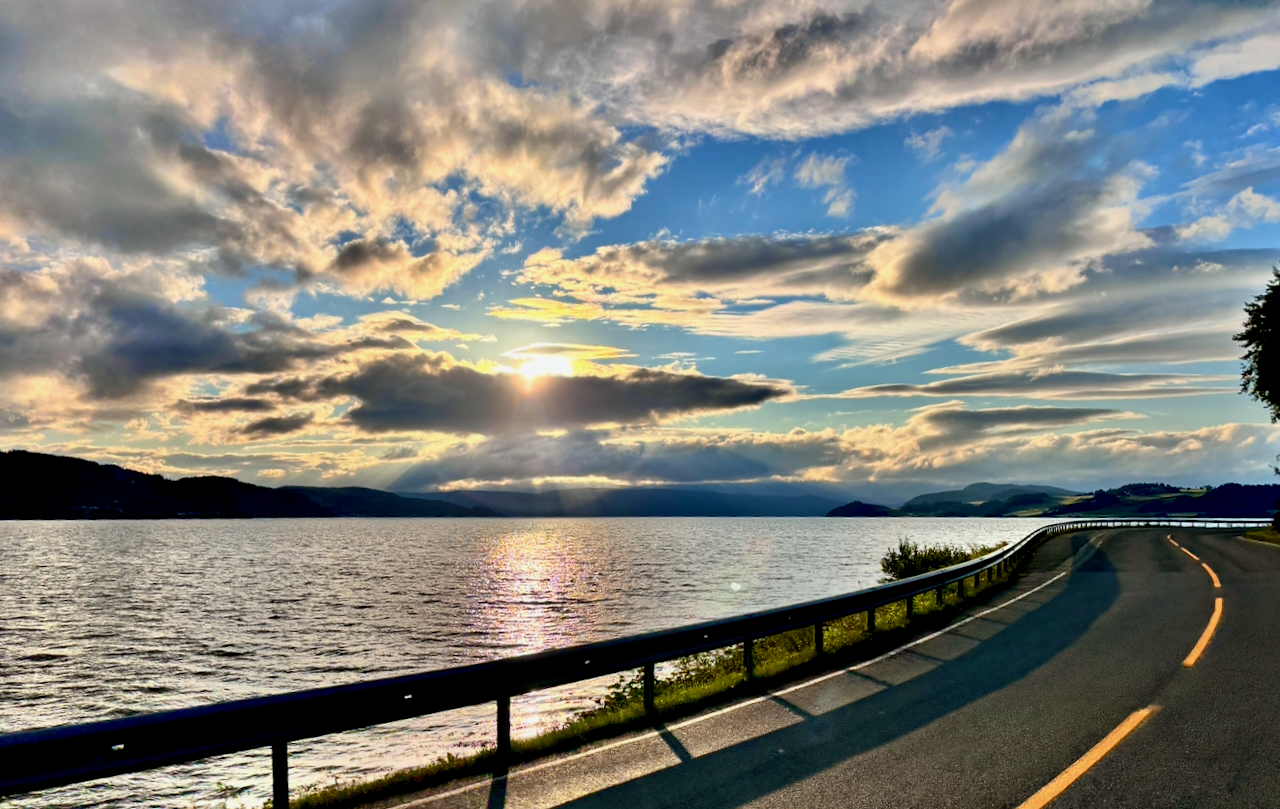
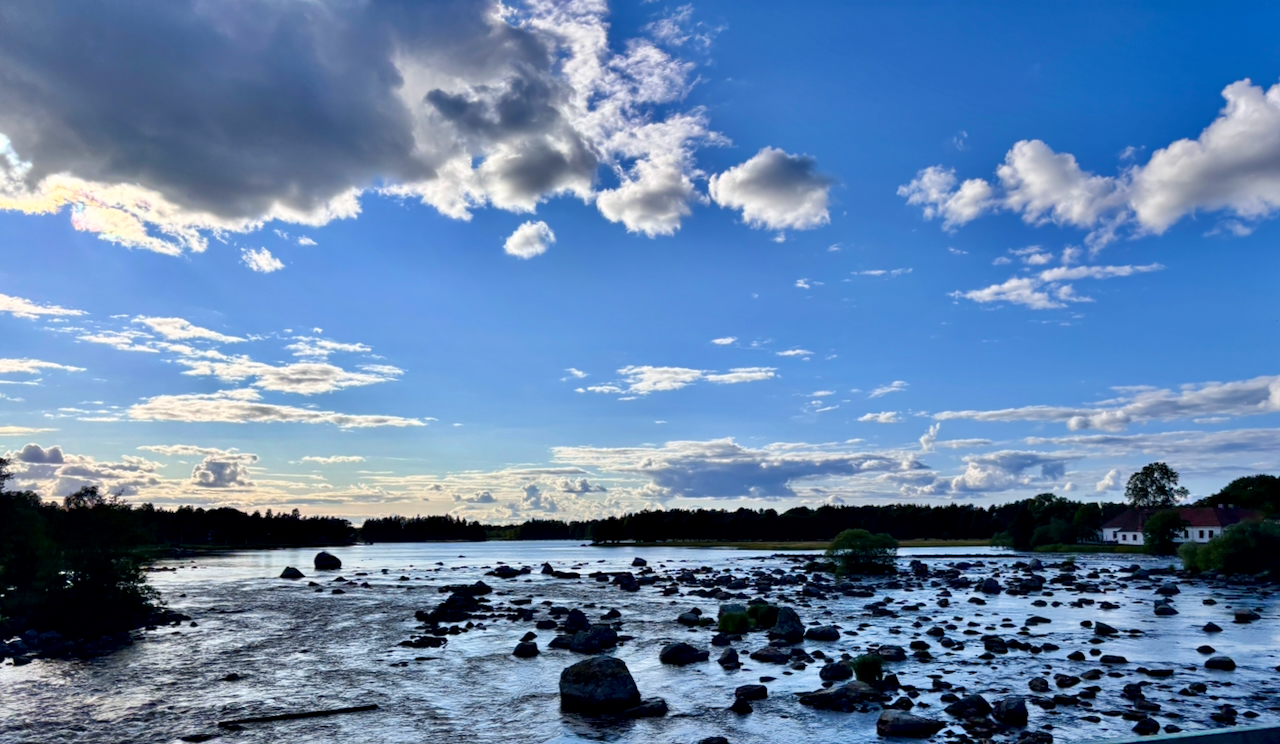
The light and the water were spectacular. I stopped repeatedly to take pictures, although they don’t really do justice to the atmosphere.
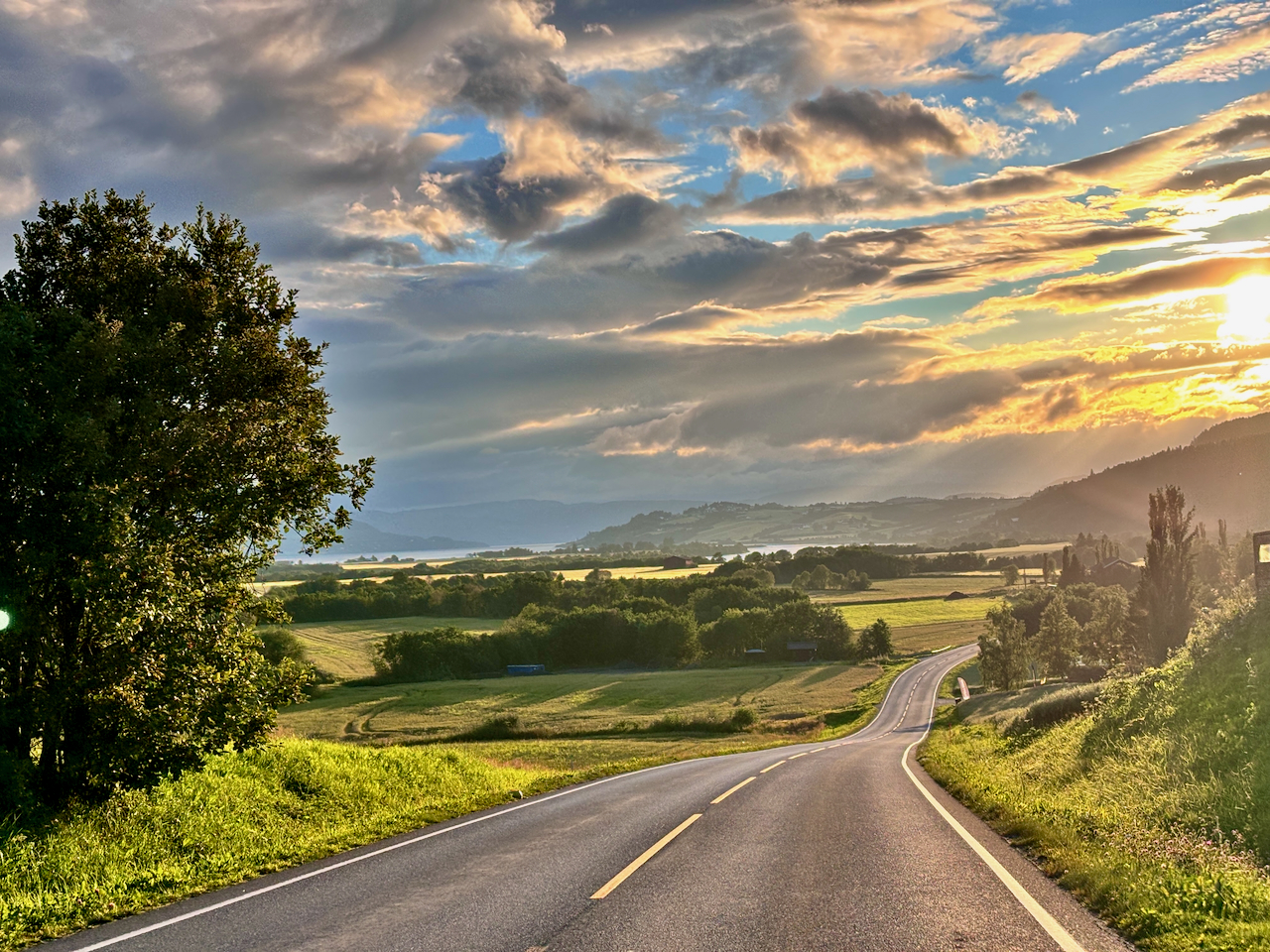
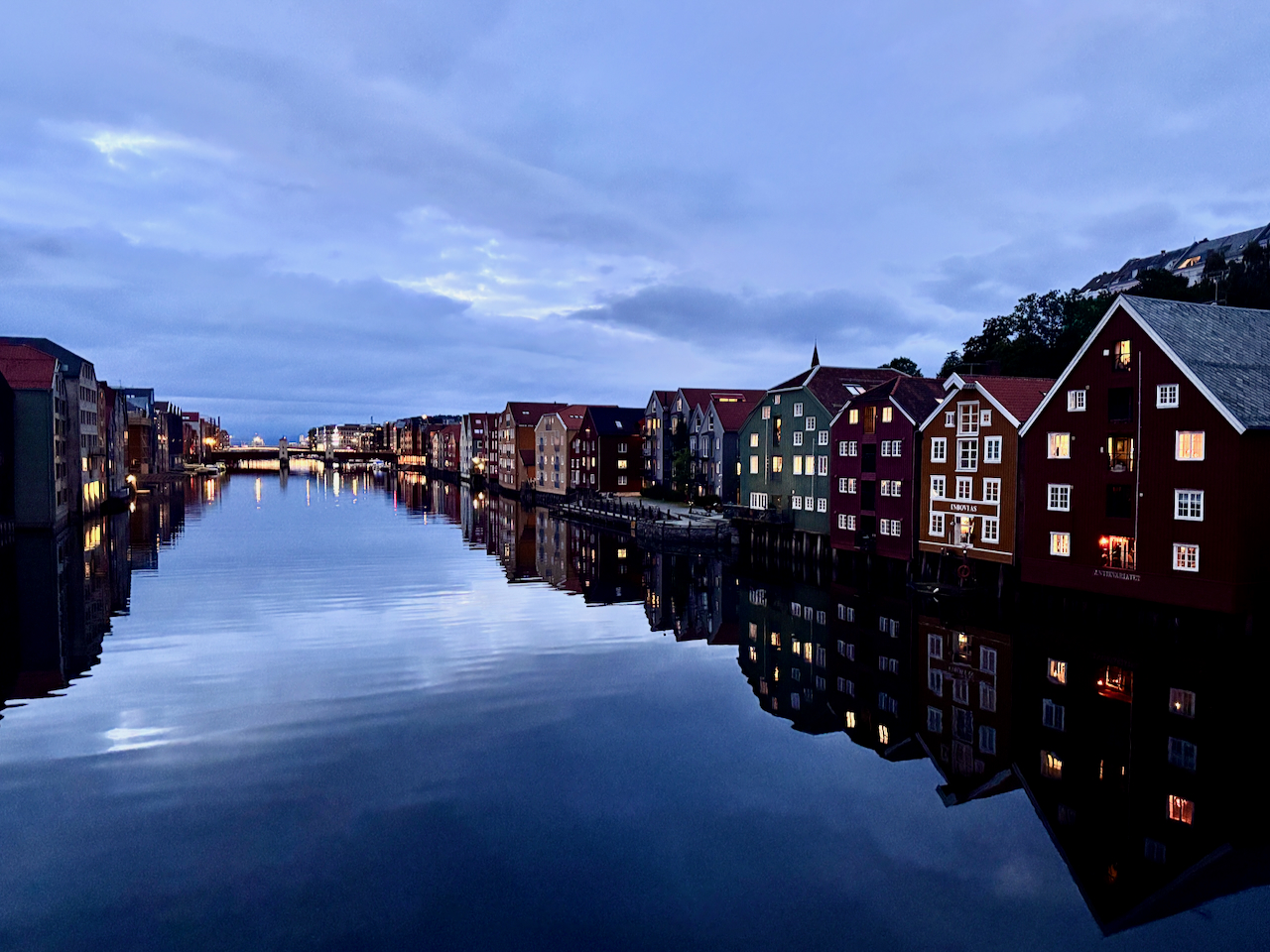
I reached Trondheim around midnight. The wooden houses, quiet streets and massive Nidaros Cathedral made an immediate impression – Norway’s third largest city felt so cute and quietI reached Trondheim around midnight. The wooden houses, quiet streets and massive Nidaros Cathedral made an immediate impression – Norway’s third largest city felt so cute and quiet
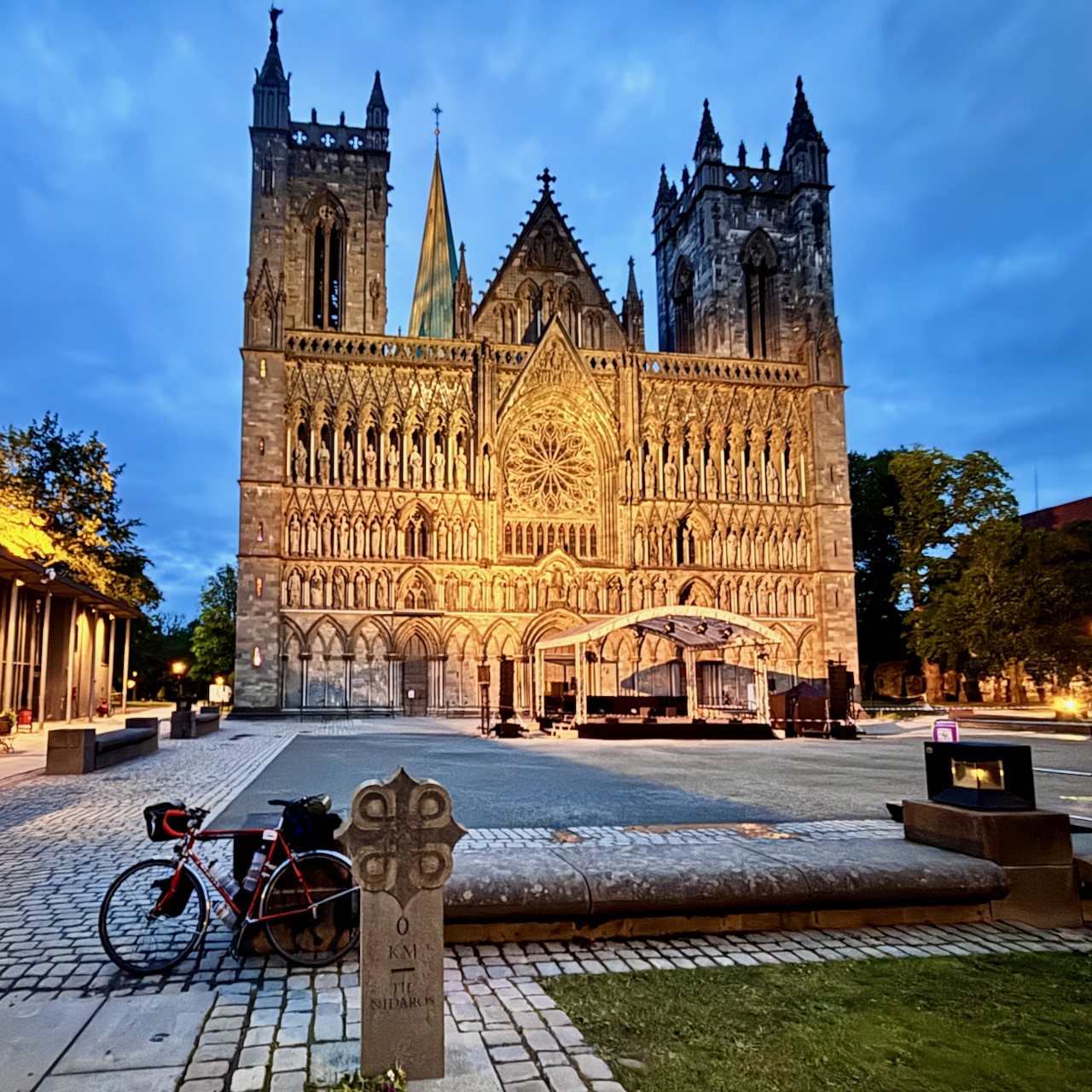
I had booked a hotel, which was an important mental anchor during tough periods on the second and third day, and an excellent decision. Just off the road with a 24-hour-check in, I had my first shower since leaving Uppsala followed by some proper sleep in a cozy hotel bed.
I was wide awake long before my alarm and cycled to the control, 7km east of the city centre as it was too early for breakfast at the hotel.
Feeling chipper, I had a quick breakfast and was back on the road within 35 minutes.
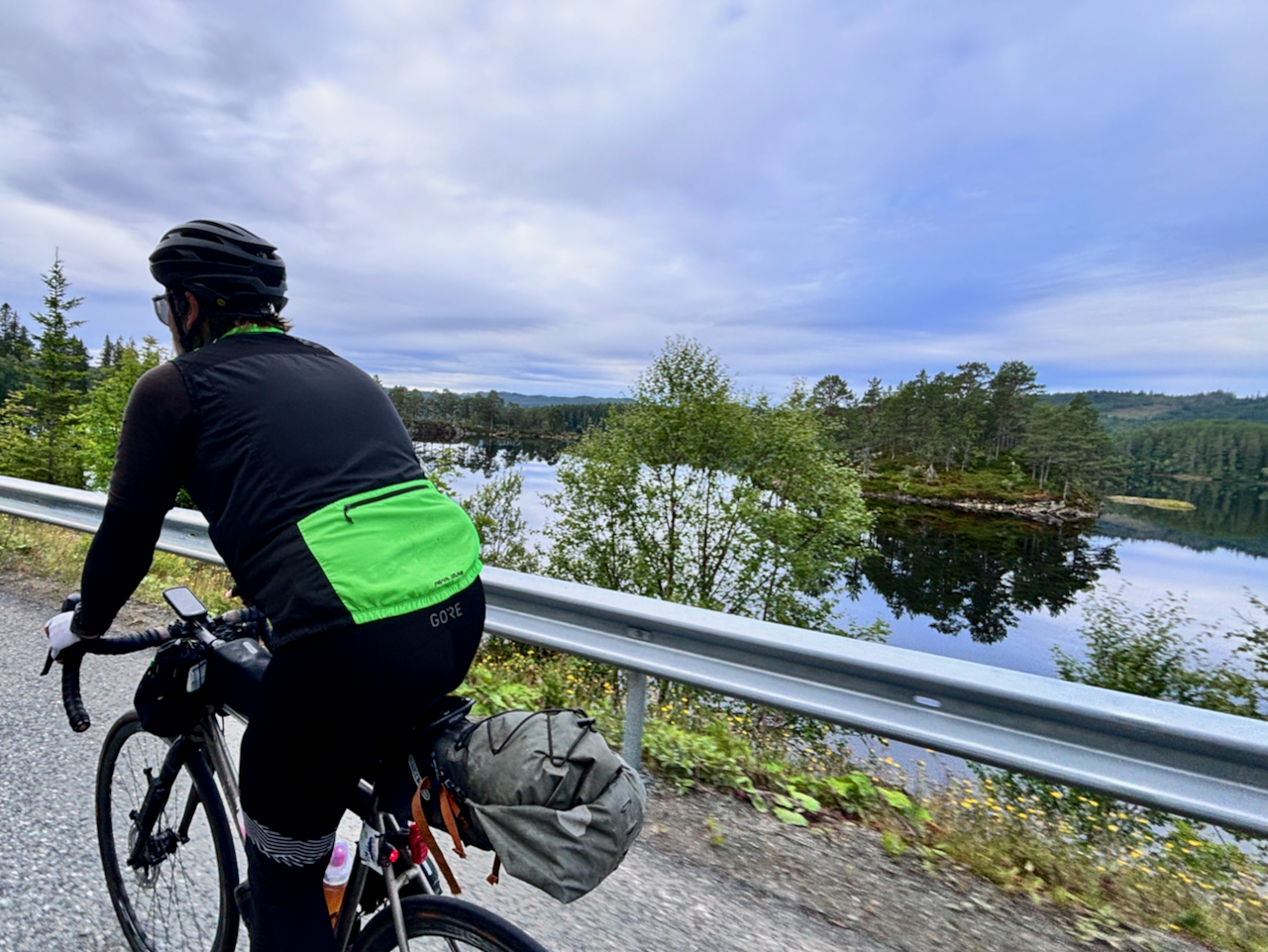
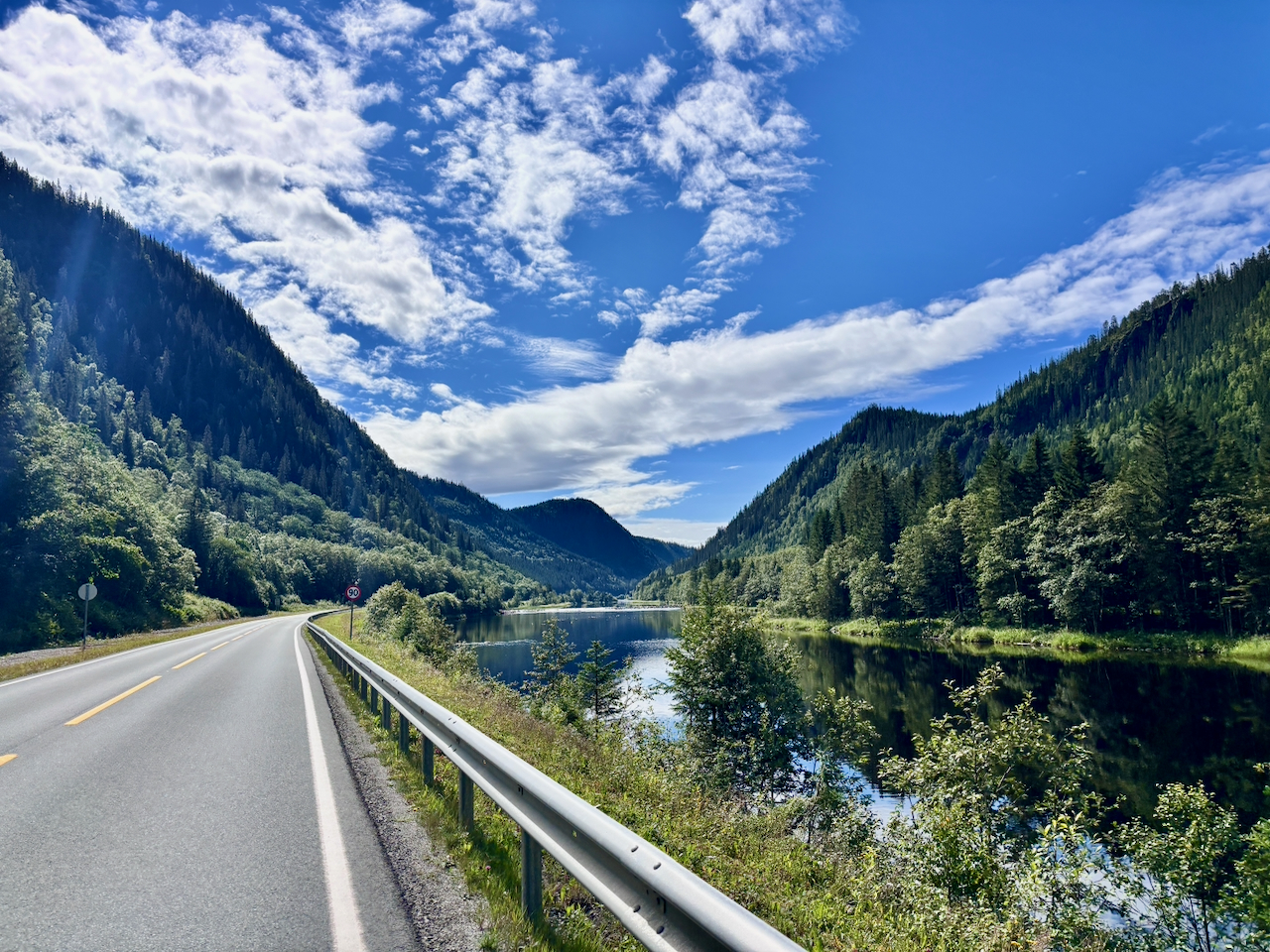
Notionally, the next 107km to Tydal were the hardest part of UTU, with close to 1,600 metres of climbing. Yet I found them easier than the rolling hills in Sweden. The longer climbs made it much easier to find a rhythm.
For the first time since leaving Uppsala, I also met another rider who matched my speed. Talking to Lars from Hamburg was a welcome change after so many hours of solo riding.
The weather had become so good that I bitterly regretted leaving my sun lotion in Tänndalen, having assumed during the miserable outward leg that I wouldn’t need it in Norway. Lars lent me some.
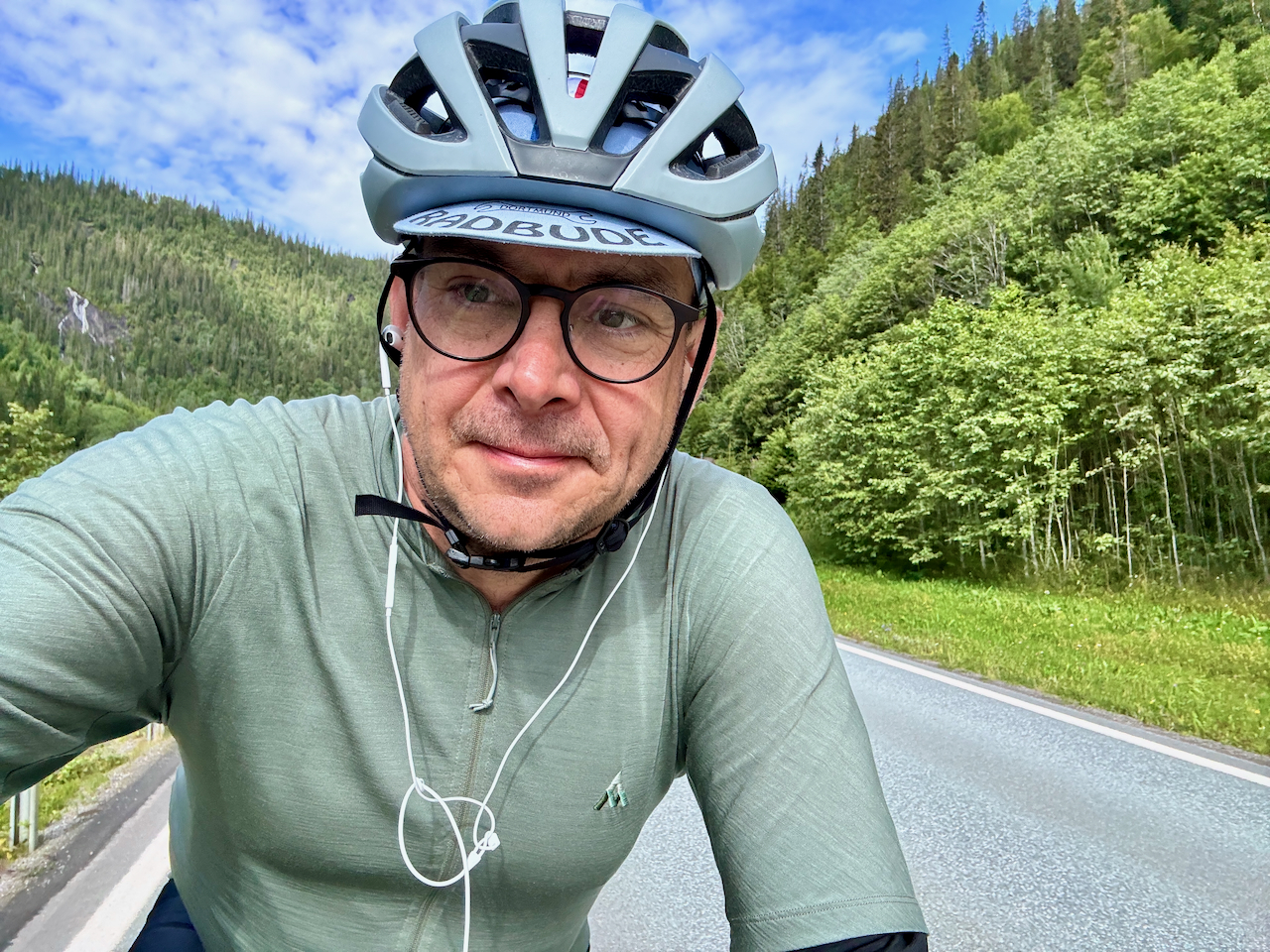
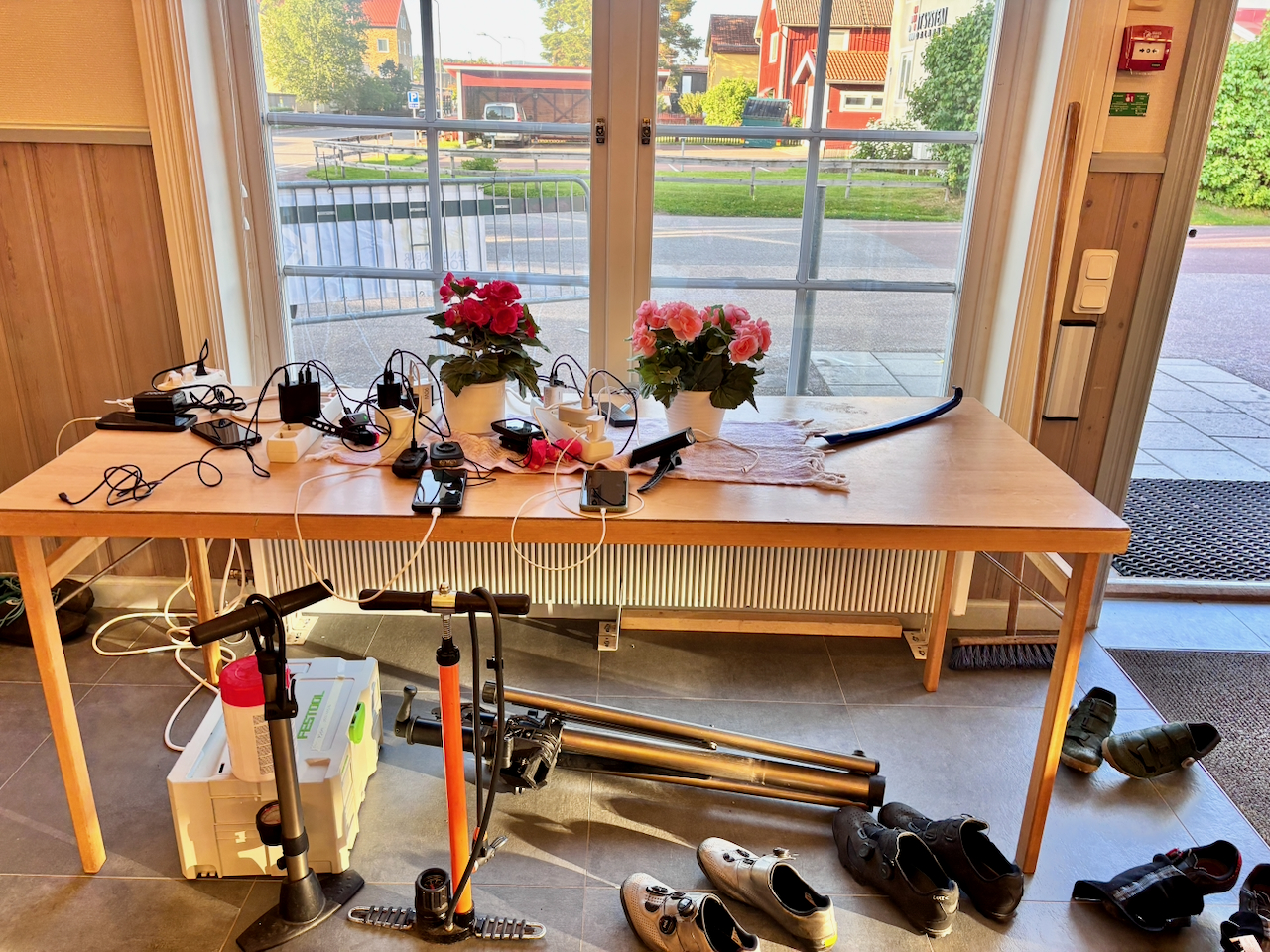
The control at Tydal was a laugh. Somehow I had ended up between waves and it was very quiet. The volunteers were in high spirits, the food excellent and the control spacious. It felt like LEL, just without the crowds.
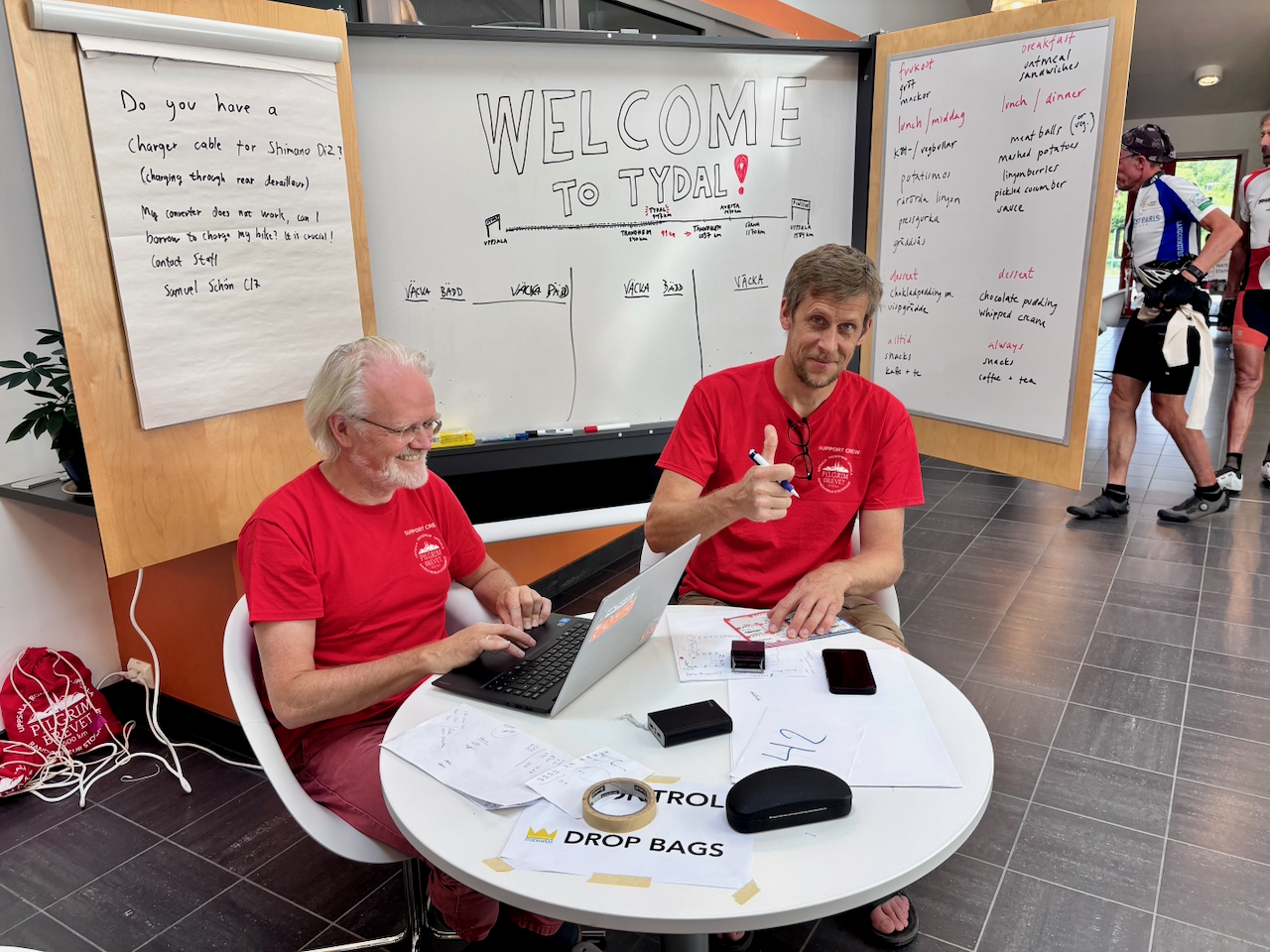
Beyond Tydal, the landscape gradually gave way to treeless fjäll at around 900 metres. The scenery was totally different to the densely wooded river valleys earlier that day, let alone the Tronheim fjord the day before.
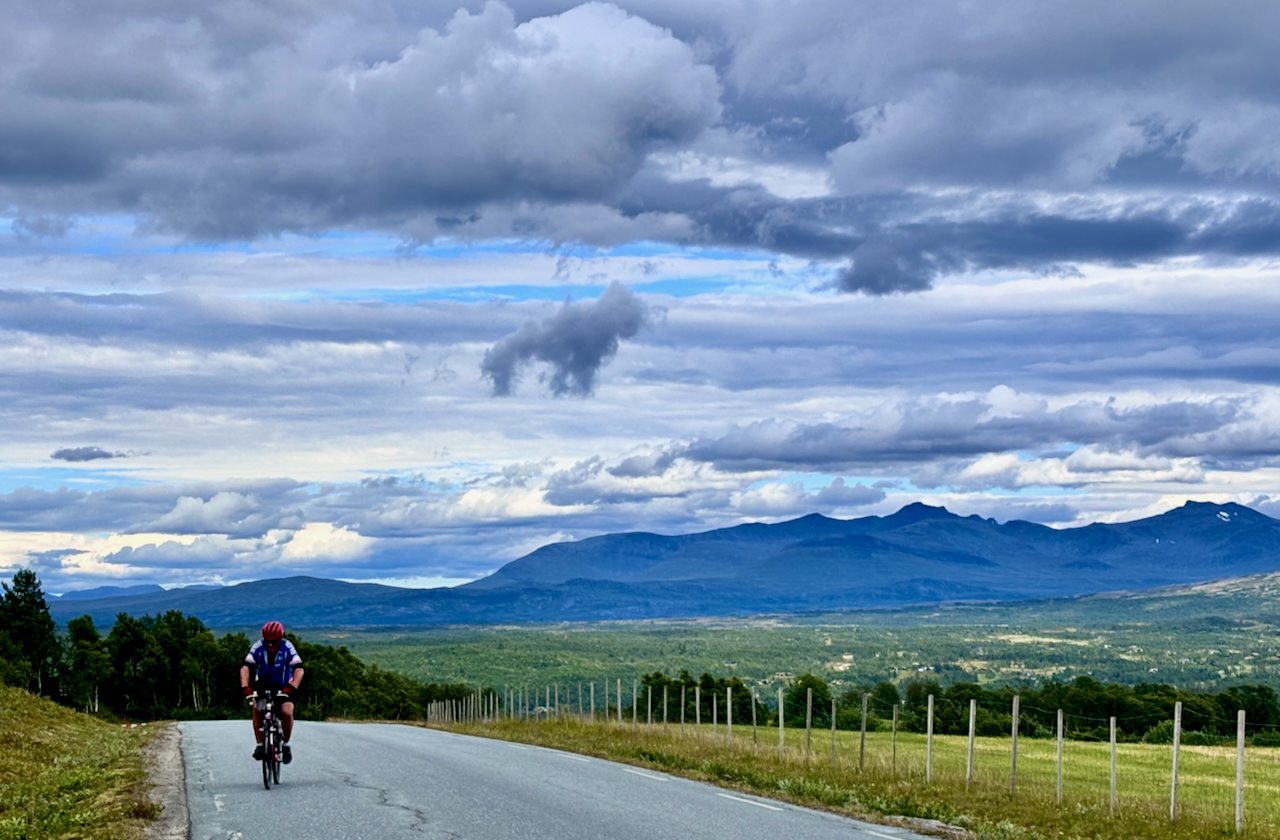
Some sections between Trondheim and Tydal also felt strangely familiar. I began to realise that I must have ridden some of these same roads in 1992. I’m even fairly sure I recognised one place where I had camped beside the road.
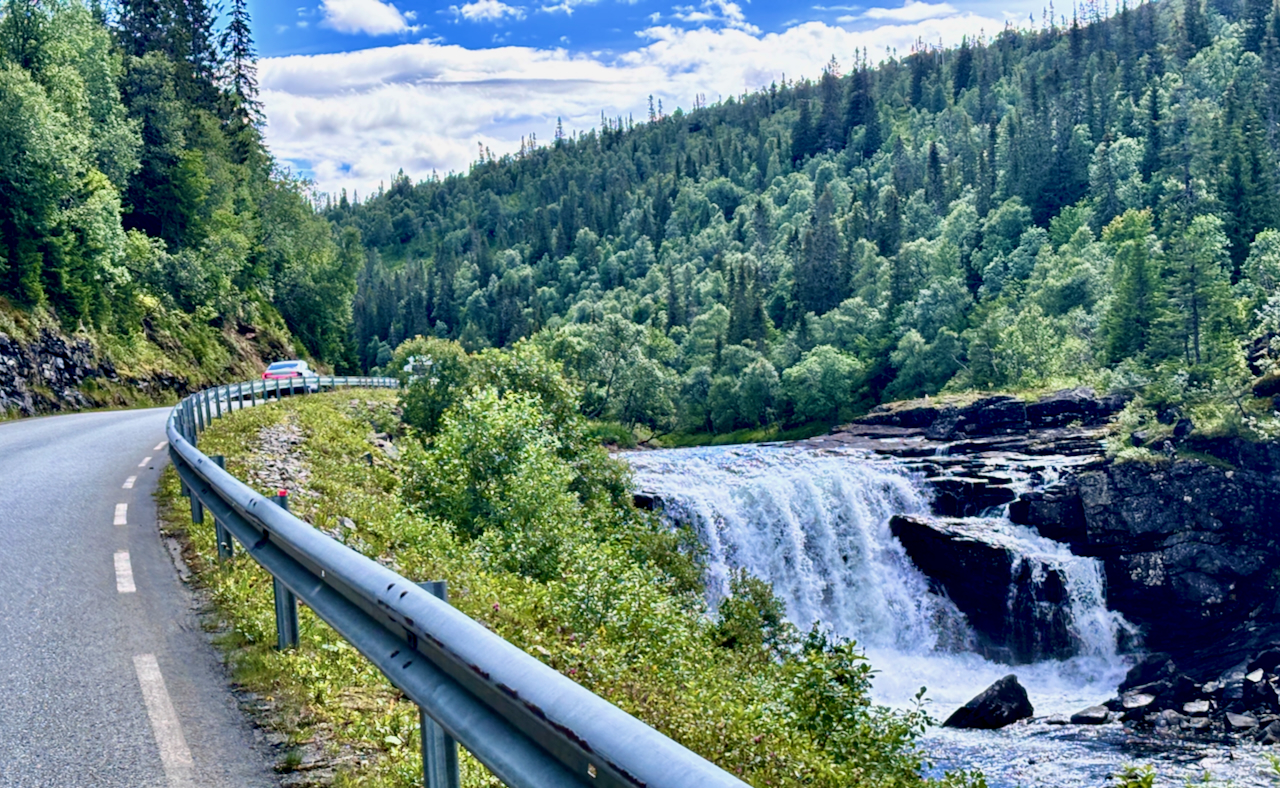
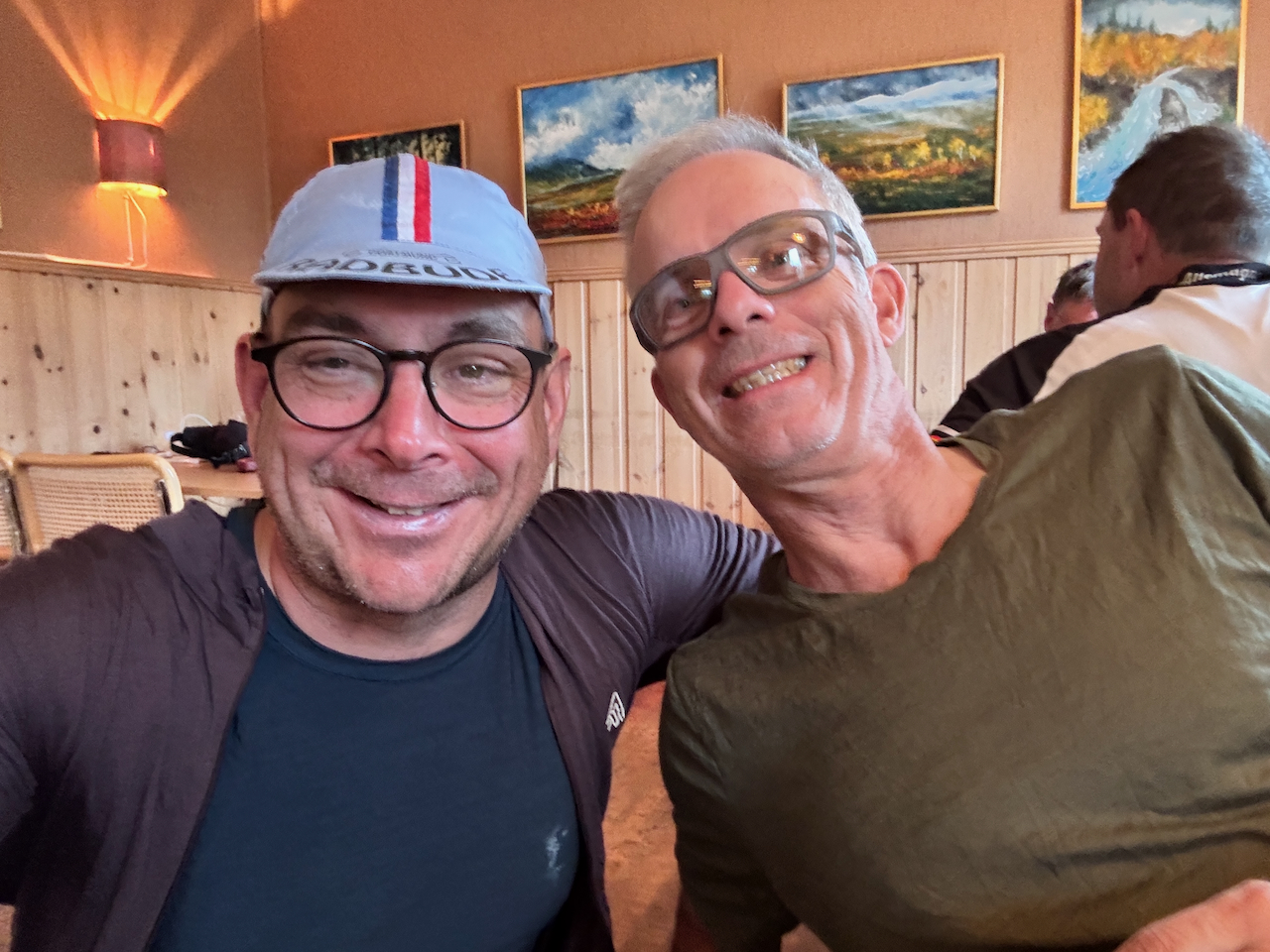
Back at Tänndalen I met Frank, a German cycling friend who had started in a different wave. It was Frank who had got me hooked on the Pilgrim Brevet. He is faster than me on the road; I tend to be more efficient at controls.
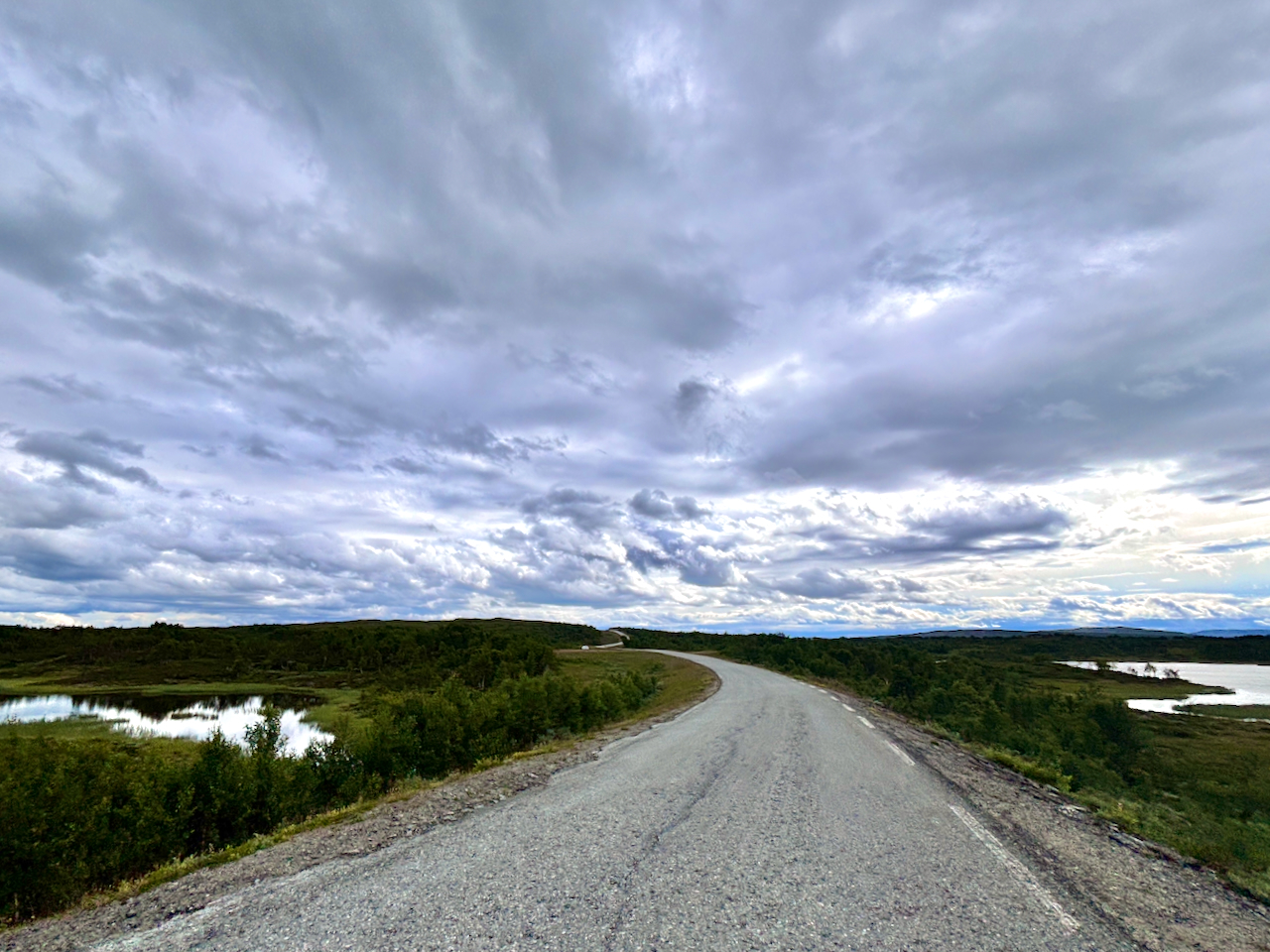
Frank was getting close to his time limit, so we slept briefly and left shortly after 1am. We were now properly between the larger groups and often the only riders at the controls.
Much of the day was relatively easy, with long downhill sections, but in the afternoon I made a beginner’s mistake and failed to eat enough. I suddenly felt exhausted and needed an emergency 30-minute supermarket stop.
Frank stayed overnight at Leksand to keep an eye on his time limit. I had more time in hand and didn’t fancy another night on an airbed, so I continued another 50km to Borlänge, where I had booked a cheap hotel room just off the route.
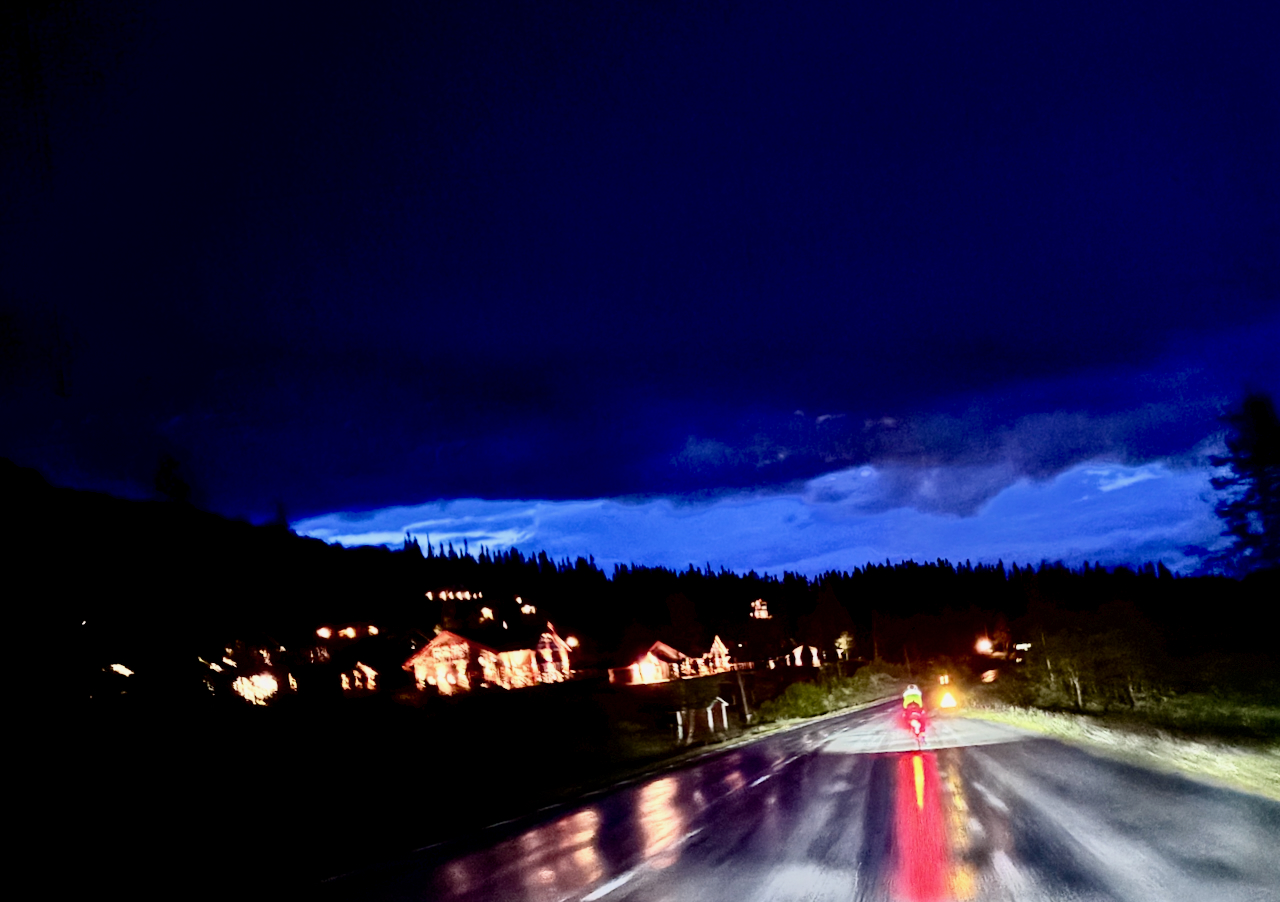
Those 50km to the hotel were an ordeal. But more than five hours of proper sleep and a good breakfast transformed me.
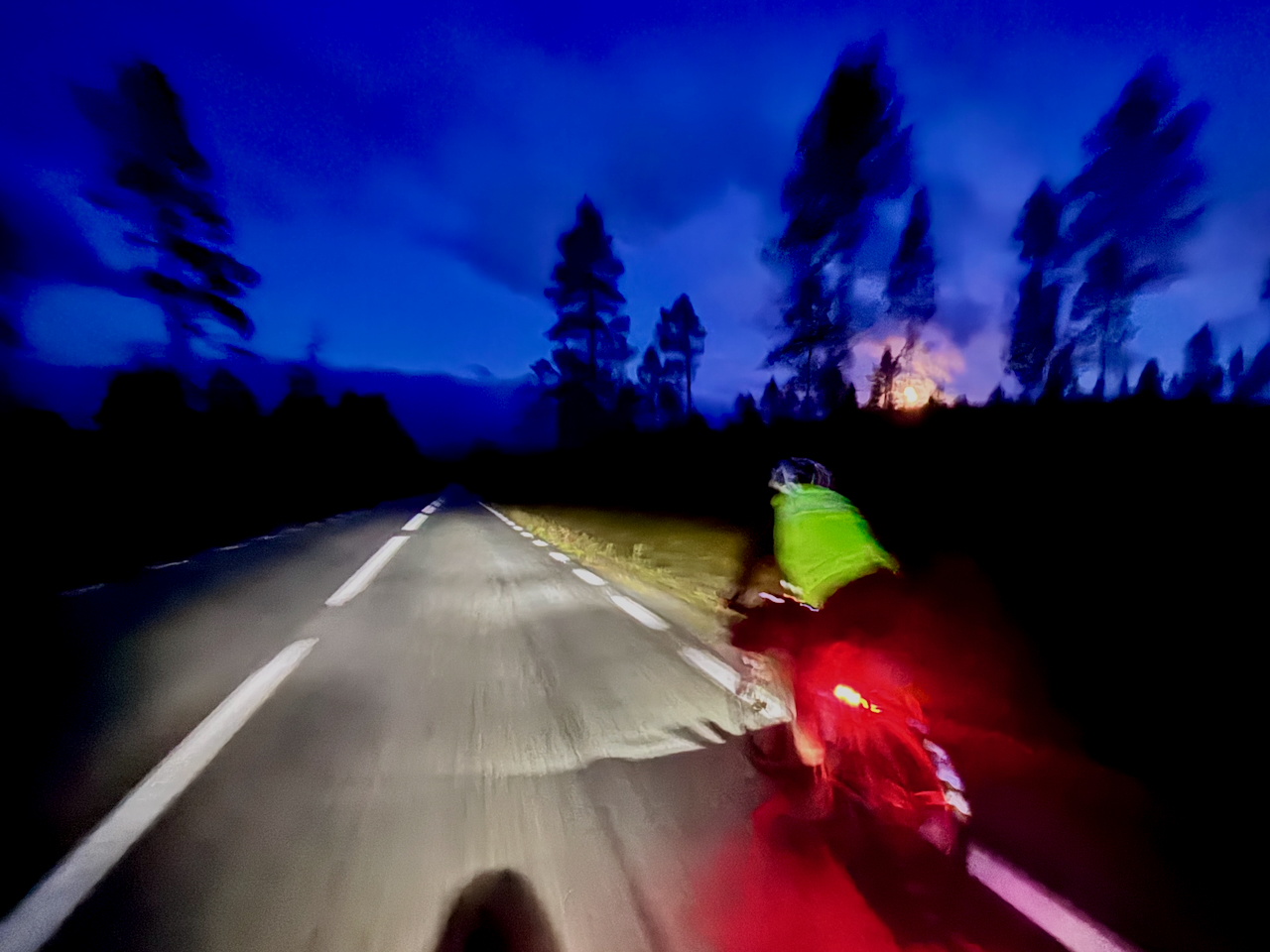
I had 180km left, a tailwind and good weather. Technically it was still a long day in the saddle, but the time flew.
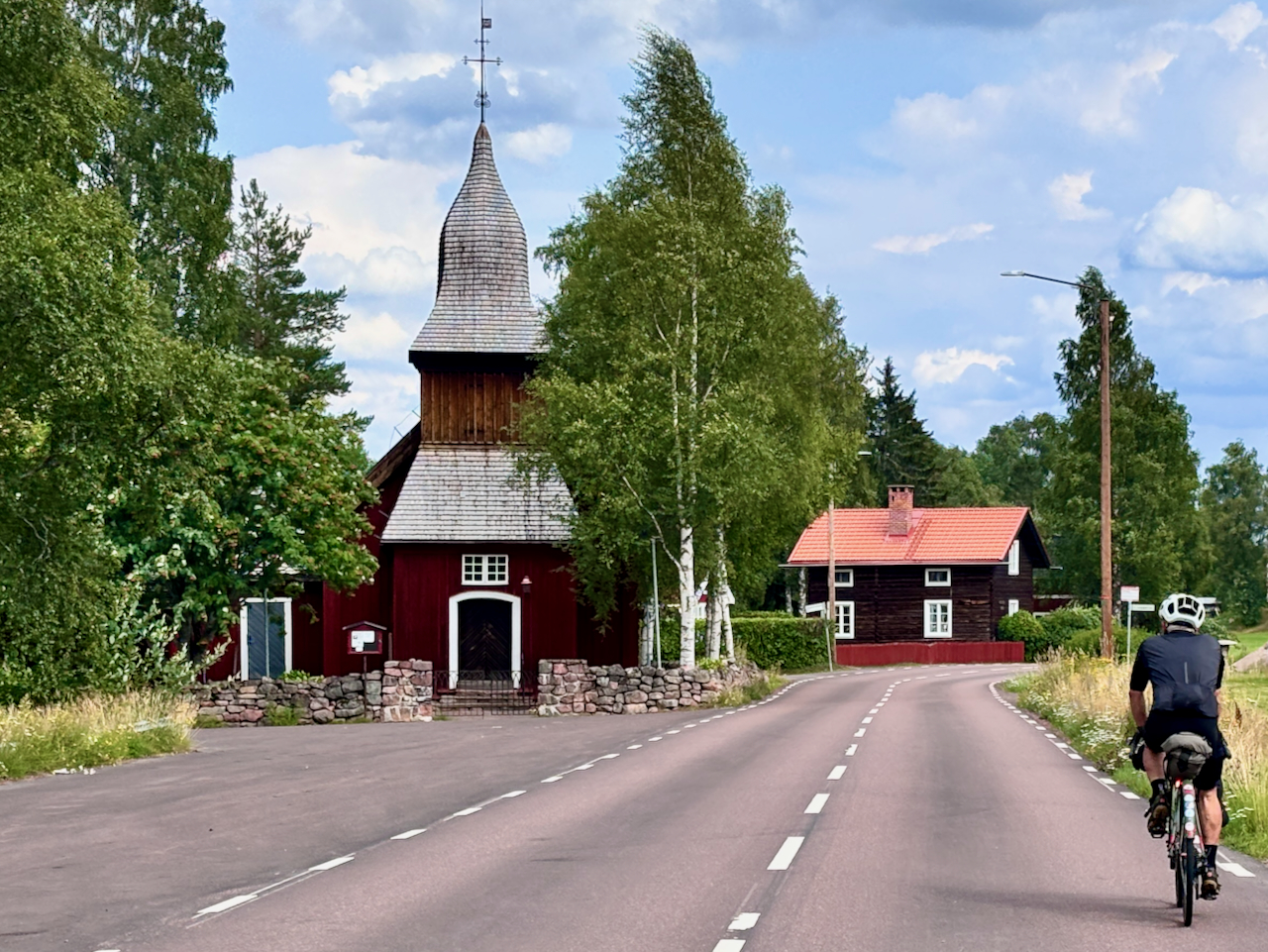
I became quite emotional as I approached Uppsala. It seemed unbelievable that more than five days had passed since I had left.
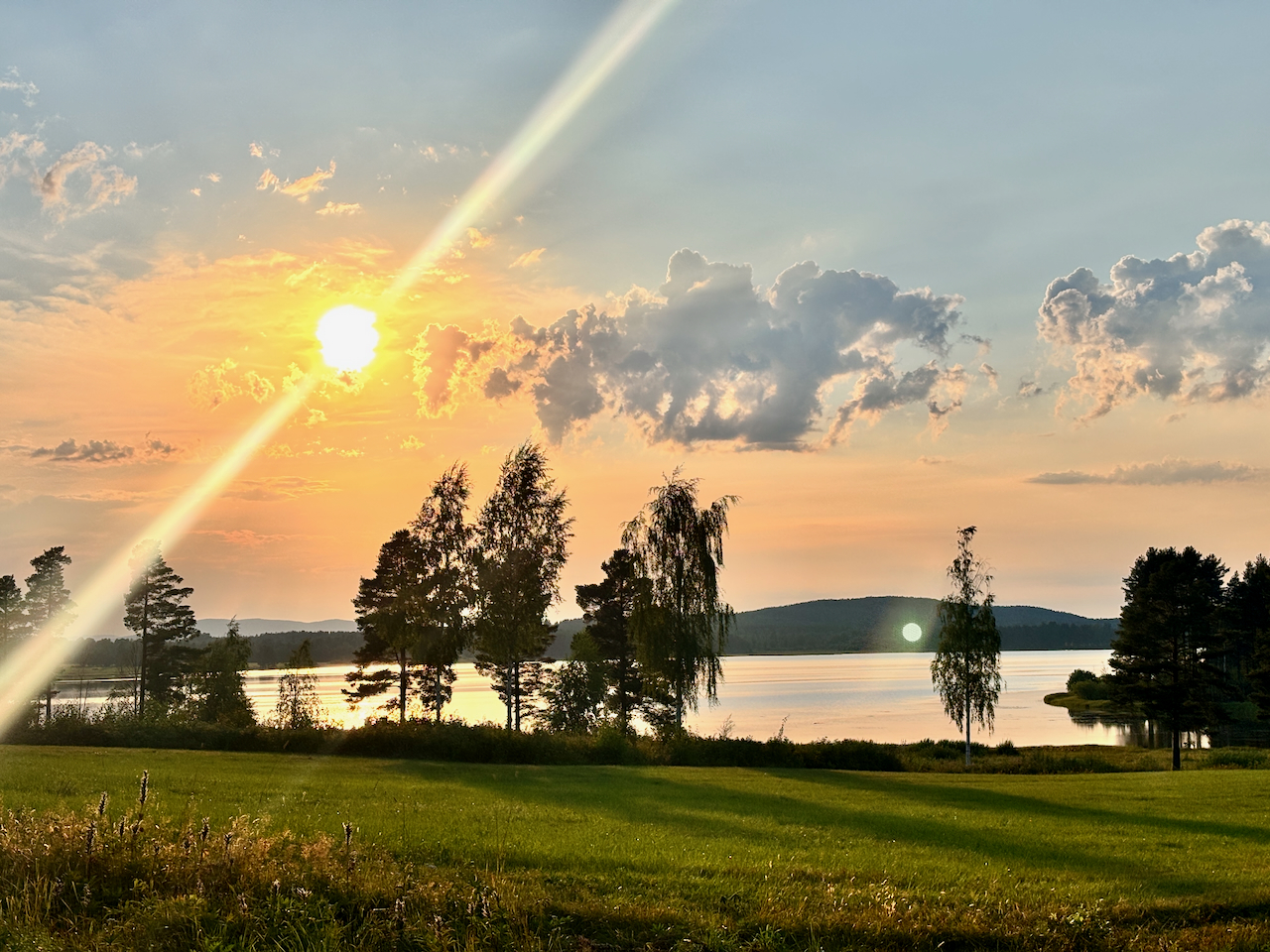
Trondheim and the North Sea had been only three nights earlier, yet they already seemed strangely distant. With the landscapes changing so dramatically along the way, I had the sensation of having crossed an entire continent twice.
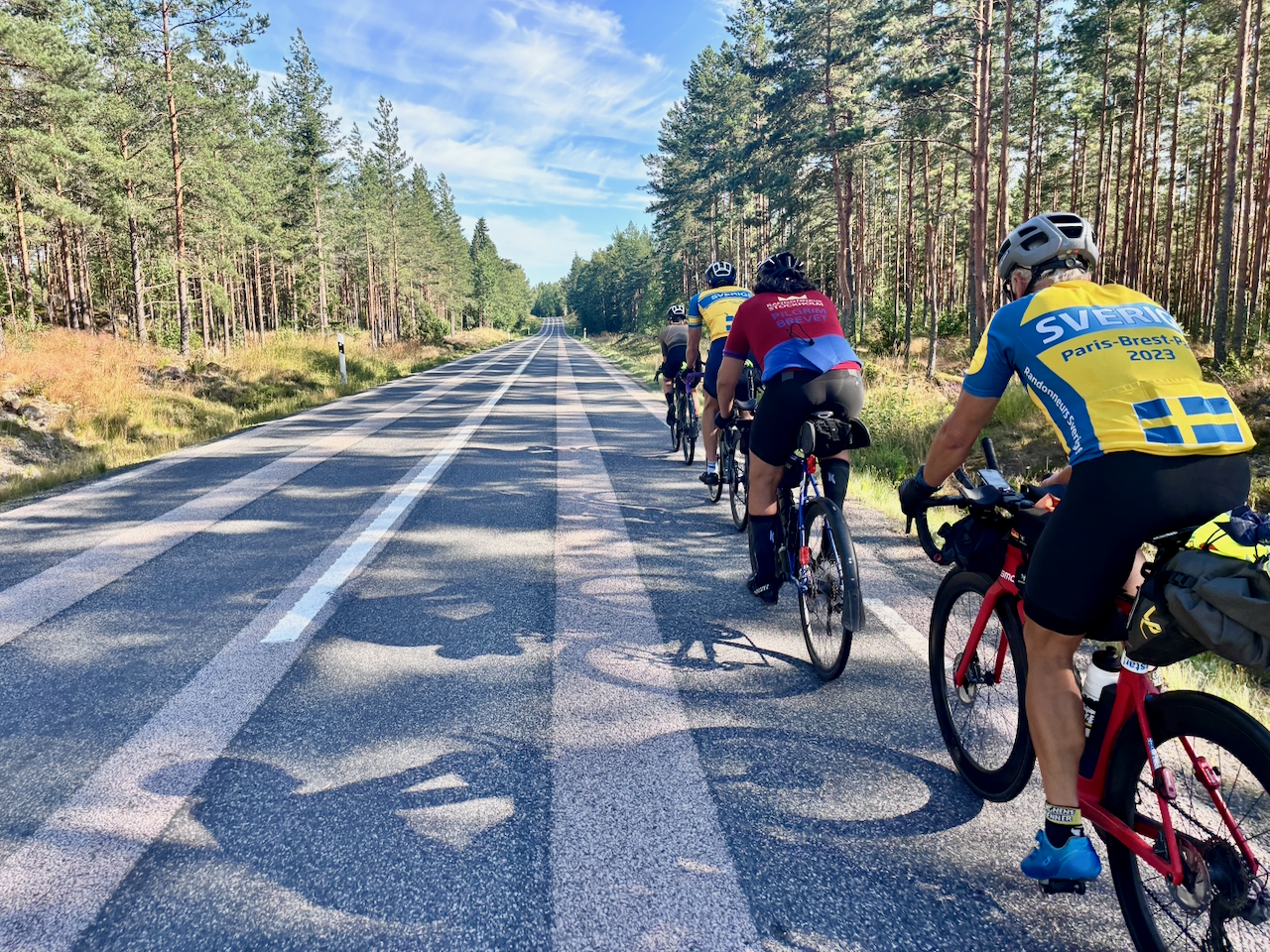
Memory lane
The significance of returning to Trondheim and Røros really only sank in after the ride.
Scandinavia has always had a special place in my life. My late parents loved the region and, as a child, I spent many summers in Sweden and Norway. Being there inevitably reminds me of my childhood and of my parents, who both died far too early.
Then there was my bike trip in 1992.
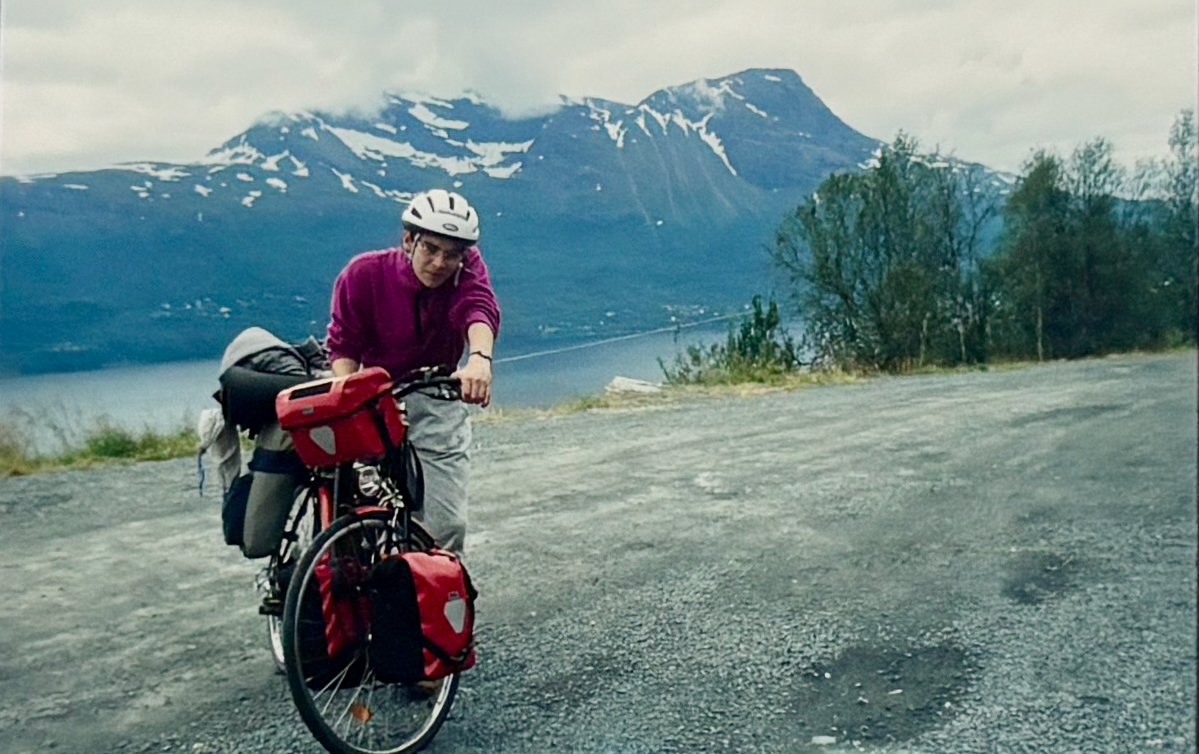
The trip was a dog’s dinner from start to finish.
Neither my bike nor my equipment nor my mind and body were up to the task. My bike was flown to the wrong airport. I almost lost a pedal before I had even left. Once on the road, I discovered that I lacked the gears for the climbing while carrying far too much stuff, including hardcover books and bulky SLR equipment. Riding in jeans and bringing a winter coat were further rookie errors.
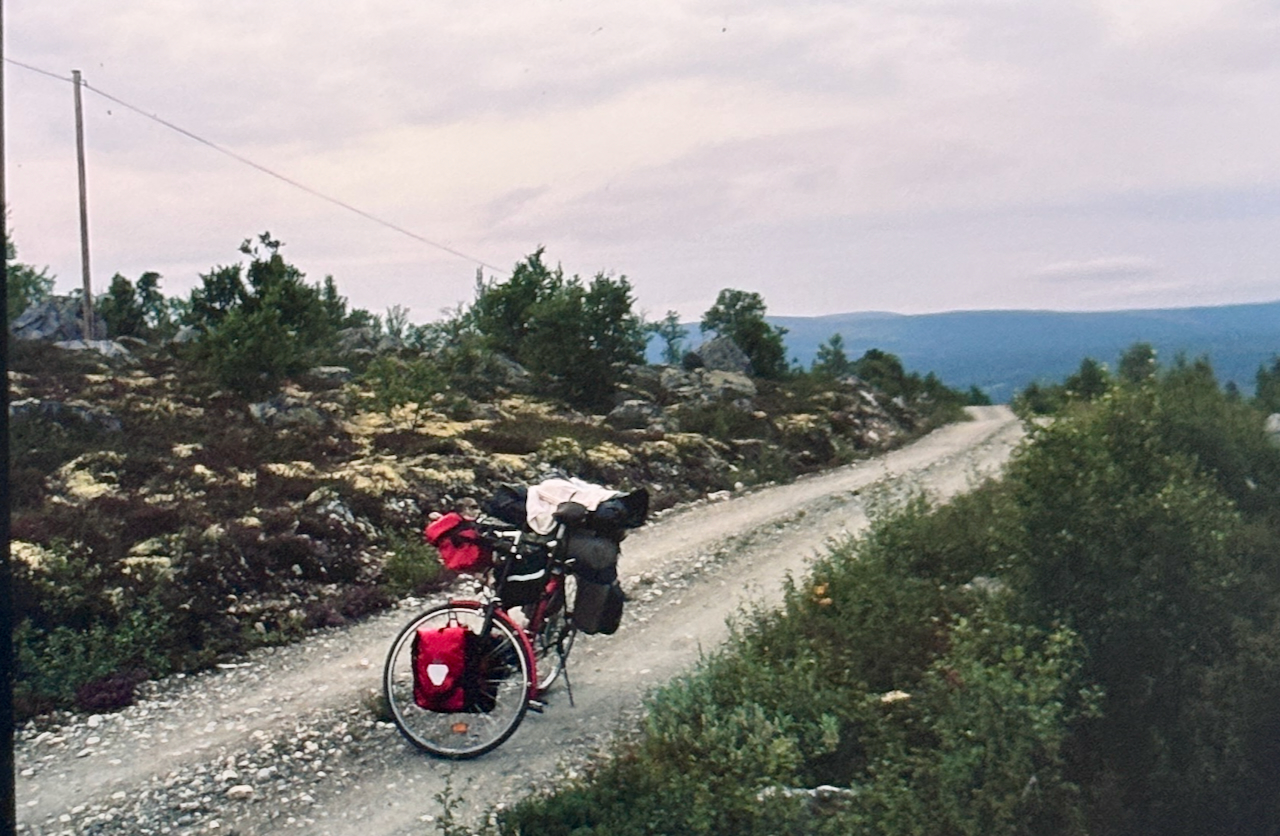
On the road from Kiruna to Narvik, a stiff headwind wore me down and I eventually accepted a lift from a Dutch couple, who put my bike into their camper trailer.
Then the rain started and didn’t stop for days.
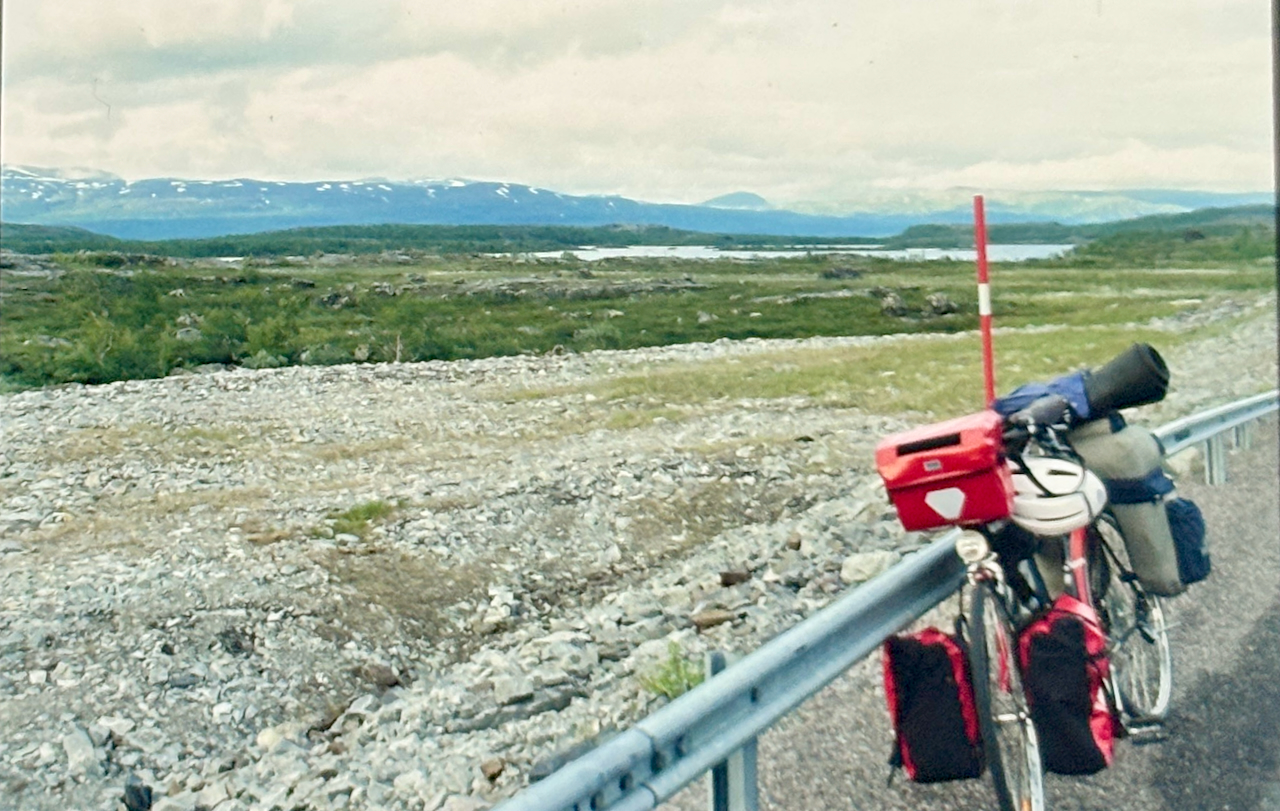
There followed a chaotic mixture of cycling, hitching and trains. I got a lift in a lorry to Mo i Rana, briefly resumed cycling, lost my mattress from my rear bag, turned around to retrieve it and eventually took the train to Trondheim.
From there I managed a few more days on the bike before reaching Røros, where the weather deteriorated again. By then I had lost any desire to continue. I took the train back to Trondheim, then to Oslo, and went home early, with my tail between my legs.
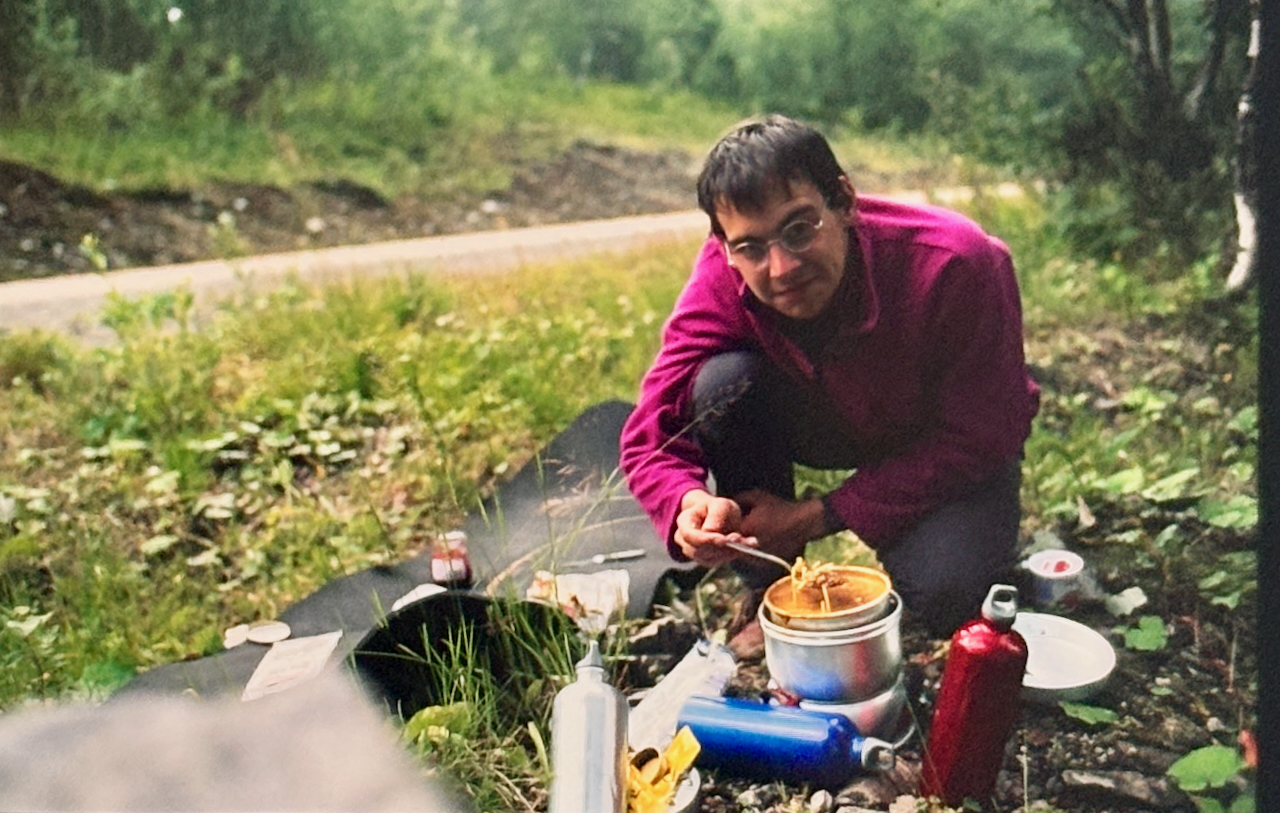
For decades I remembered the trip mainly as a failure.
That was one reason I had been so keen to return to Røros and Trondheim on UTU. This time I had got there and back under my own steam, even if things got a bit rough.
Unexpectedly, after returning to Uppsala, I felt an odd sense of closure about that botched trip 34 years earlier.
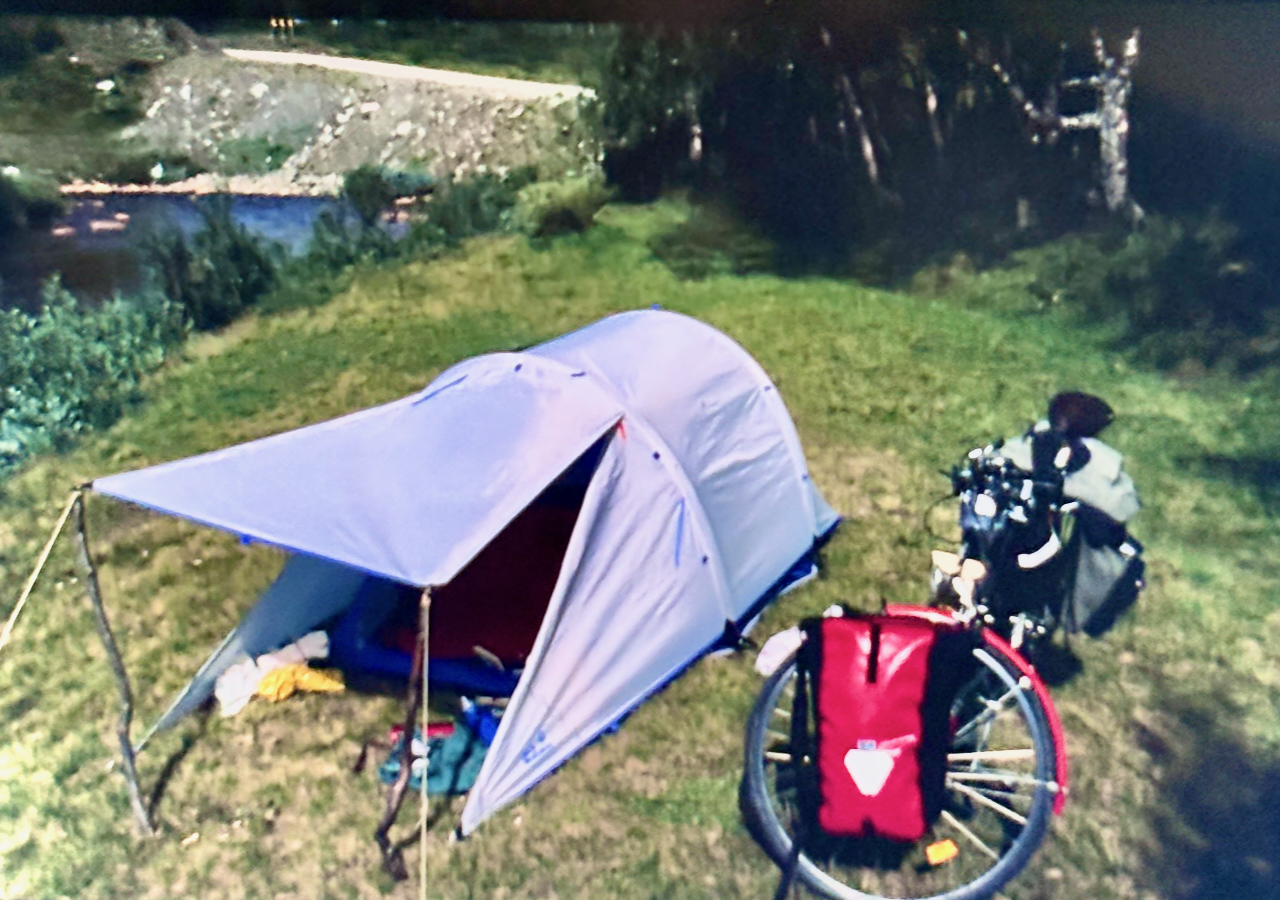
Back home, I dug out the few pictures I still had and haphazardly digitised the old slides with my iPhone.
Looking at them now, I still need to laugh at the ridiculously overloaded bicycle. But I am also in slight disbelief about the gravel roads in remote areas that I rode back then, the camping in extraordinary places combined with all the improvisation and the lifts from strangers after my original plans fell apart.
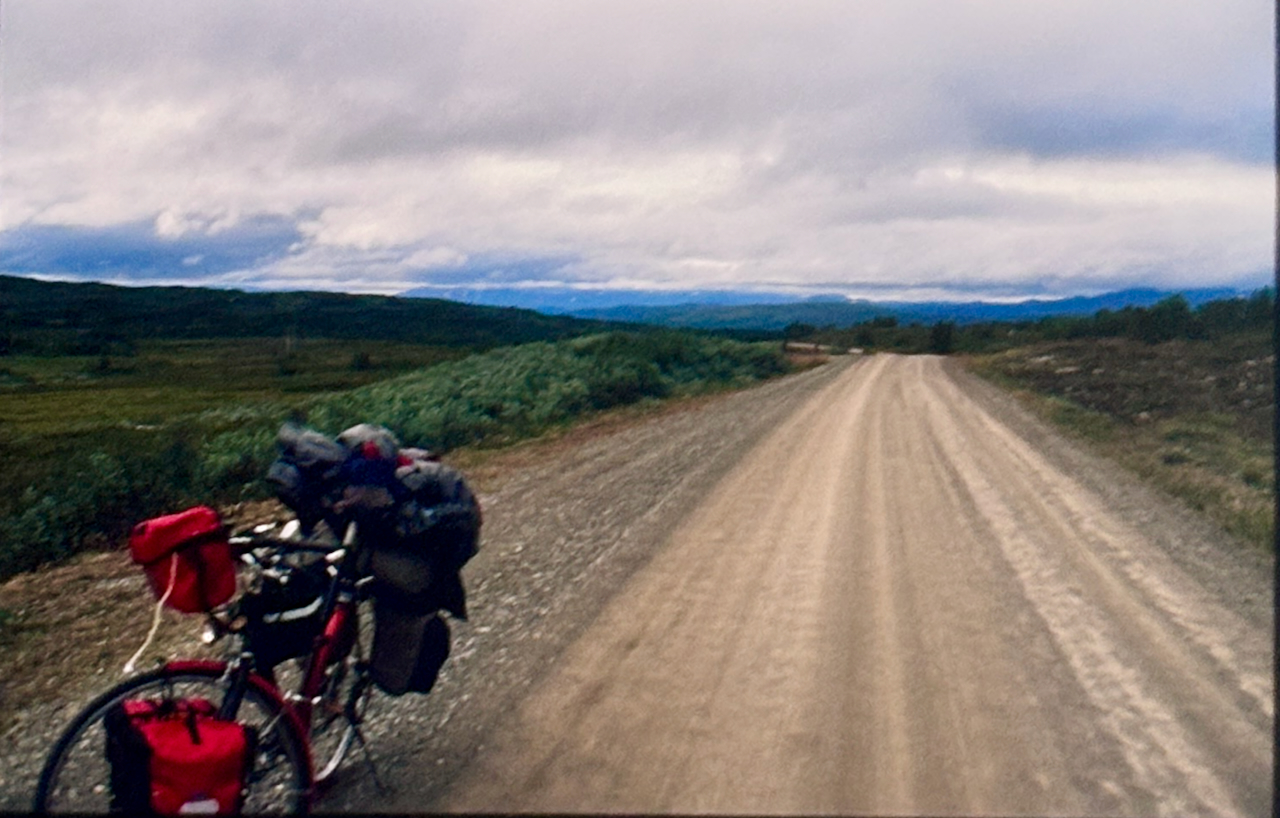
It was a hugely important learning exercise, and over the years I not only gathered the kit necessary to successfully complete it as well as the experience, but also the mental fortitude to see through adversity.
Some statistics:
Distance covered: 1585km
Climbing: 12637 meters of climbing
Time in motion 78:56 hours (average speed: 20.1kph)
Total time: 122:39 hours (overall average speed: 12.9 kph)
My ride on Strava:
Day 1: Uppsala to Leksand, 237km
Day 2: Leksand to Tänndalen, 314km
Day 3: Tänndalen to Trondheim, 283km
Day 4: Trondheim to Tänndalen, 205 km
Day 5: Tänndalen to Borlänge, 360mm
Day 6: Borlänge to Gamla Uppsala, 186km


As always, a very inspiring read.
A lovely read, Olaf! And great photographs (including the ones from 1992)!
A true delight to read, and wonderful to know how special it was for you. I’m always taken by Scandinavia, and I do have a few more rides to do there.
great write up Olaf, you all did brilliant 🤩
Not just an epic ride, but a proper rollercoaster of challenges, headspace, emotions, technical hiccups, of nostalgia / inner child thrown in. I’m glad you finally broke that mega‑audax hex. You earned it. And , you deserve a medal just for putting up with those spoke heads rattling around in your rim for all those kilometres. That would’ve driven anyone mad. A solid achievement and a great read.
ps they way you packed, with the kitchen sink for your first epic solo reminds me of someone 😜